Non-Hazardous Waste Disposal
Profiling, Packaging, Pickup & Transportation
For manufacturers, chemical processors, and labs needing routine service, one-time cleanouts, or emergency response from a single vendor with cradle-to-grave documentation.
Not sure it's non-hazardous?Take the free 1-minute waste check →
Coverage
Nationwide
Family-owned
Since 2001
Liability coverage
$21M
Start Your Non-Hazardous Waste Request
5 quick steps. A real person reviews every request and follows up with a plan and a price.
1 Contact
2 Waste & quantity
3 Site
4 Timeline
5 Documents
Non-Hazardous Waste Service Steps
Step 1
Waste profiling & characterization
Step 2
Packaging, labeling & container prep
Step 3
Drum, tote & bulk removal
Step 4
Transportation to authorized facilities
Step 5
Treatment, recycling & disposal
Step 6
Manifests & Certificates of Disposal
NATIONWIDE SERVICE • REAL PEOPLE, 24/7 EMERGENCY RESPONSE • FAMILY-OWNED SINCE 2001 • OSHA HAZWOPER-TRAINED • DOT-COMPLIANT TRANSPORTATION • $21M ENVIRONMENTAL LIABILITY COVERAGE
On this page
What it is · Types · Disposal methods · Cost reduction · Our process · Industries · Why USW · Free waste check · Request a quote · FAQs
Nationwide Non-Hazardous Waste Disposal with Recycling, Cost Reduction, and Compliant Documentation
Professional management of construction debris, manufacturing waste, packaging materials, and industrial byproducts with waste minimization programs that reduce disposal costs and support sustainability goals.
Key facts
- Service: Non-hazardous industrial waste profiling, packaging, pickup, transportation, and disposal.
- Coverage: Nationwide (United States).
- Documentation: Manifests or bills of lading, disposal receipts, and Certificates of Disposal.
- Company: U.S. Waste Industries, Inc. Family-owned and operated since 2001. $21 million in environmental liability coverage.
- Contact: Quotes 800-669-9552. 24/7 emergency line 800-727-9796.
What Is Non-Hazardous Waste Disposal?
Non-hazardous waste includes industrial and commercial byproducts that don't meet EPA's hazardous waste criteria but still require proper handling and disposal. Your facility likely generates construction and demolition debris, packaging materials (cardboard, plastics, wood pallets), manufacturing process waste (metal shavings, dust, non-toxic residues), cafeteria and office waste, boiler ash and non-toxic sludges, or agricultural waste.
While these materials aren't classified as hazardous, you usually can't put them in municipal trash because of volume limits, what's in them, and state rules. Your facility must properly characterize waste, transport using licensed carriers, dispose at permitted facilities (Subtitle D landfills, recycling centers, composting facilities), and maintain documentation for regulatory compliance.
Professional non-hazardous waste management delivers measurable benefits: cost savings through recycling and waste minimization programs, documentation that stands up to inspections, operational efficiency freeing your staff from waste coordination, and ESG metrics supporting corporate sustainability reporting.
The challenge
Many facilities overpay for disposal because they're not separating recyclables, right-sizing containers, or optimizing pickup schedules. Worse, some non-hazardous waste streams contain hidden hazardous materials that trigger costly rejections at disposal facilities.
You need complete waste stream analysis, recycling opportunity identification, misclassification prevention, and cost-effective disposal solutions scaled from drum pickups to bulk roll-off containers.
Common Types of Non-Hazardous Waste
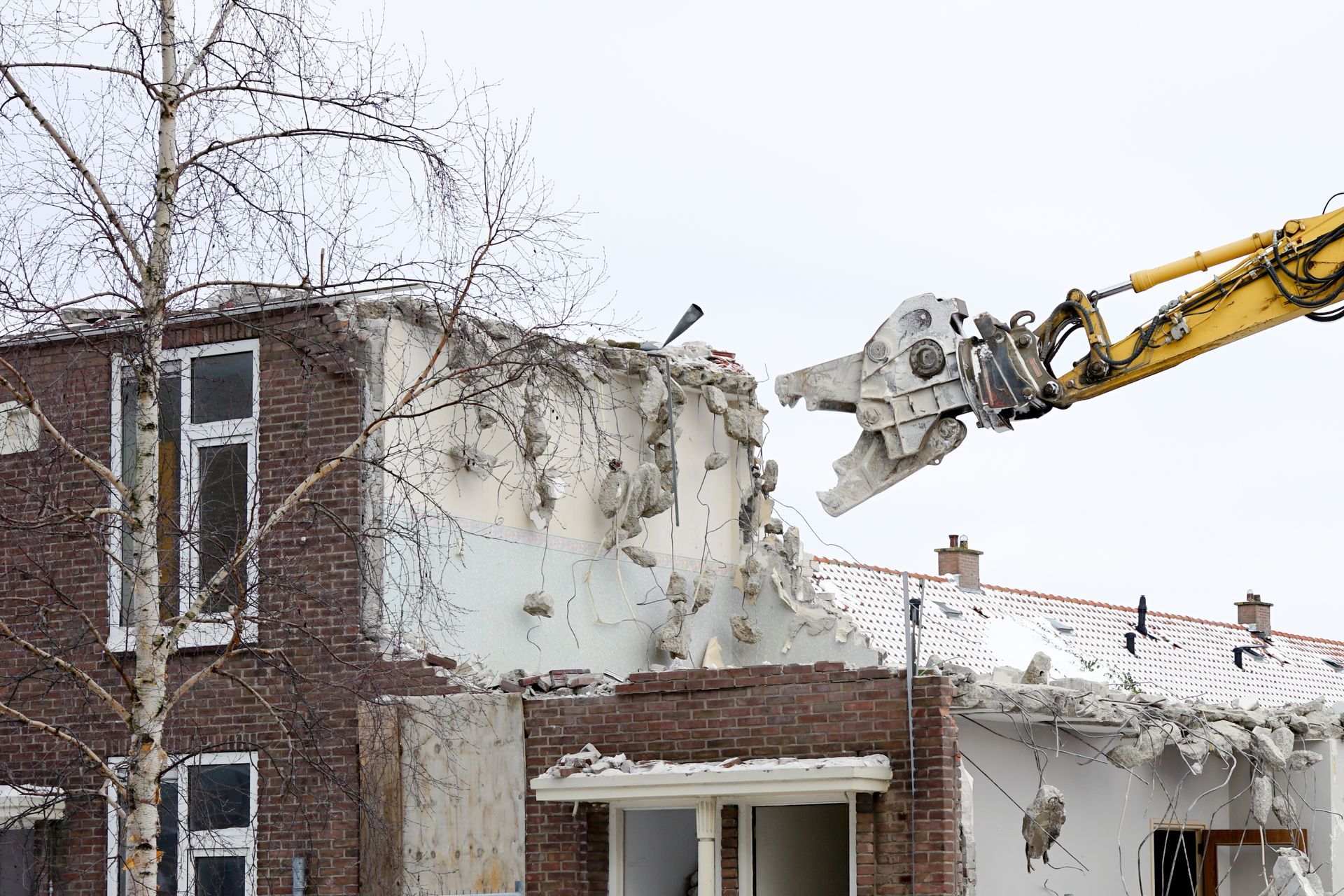
Construction and Demolition Debris
Concrete, asphalt, brick, wood framing, drywall, roofing materials, metal framing, clean soil.
High recycling potential:concrete crushed for aggregate, metals sold for scrap, wood ground for mulch.
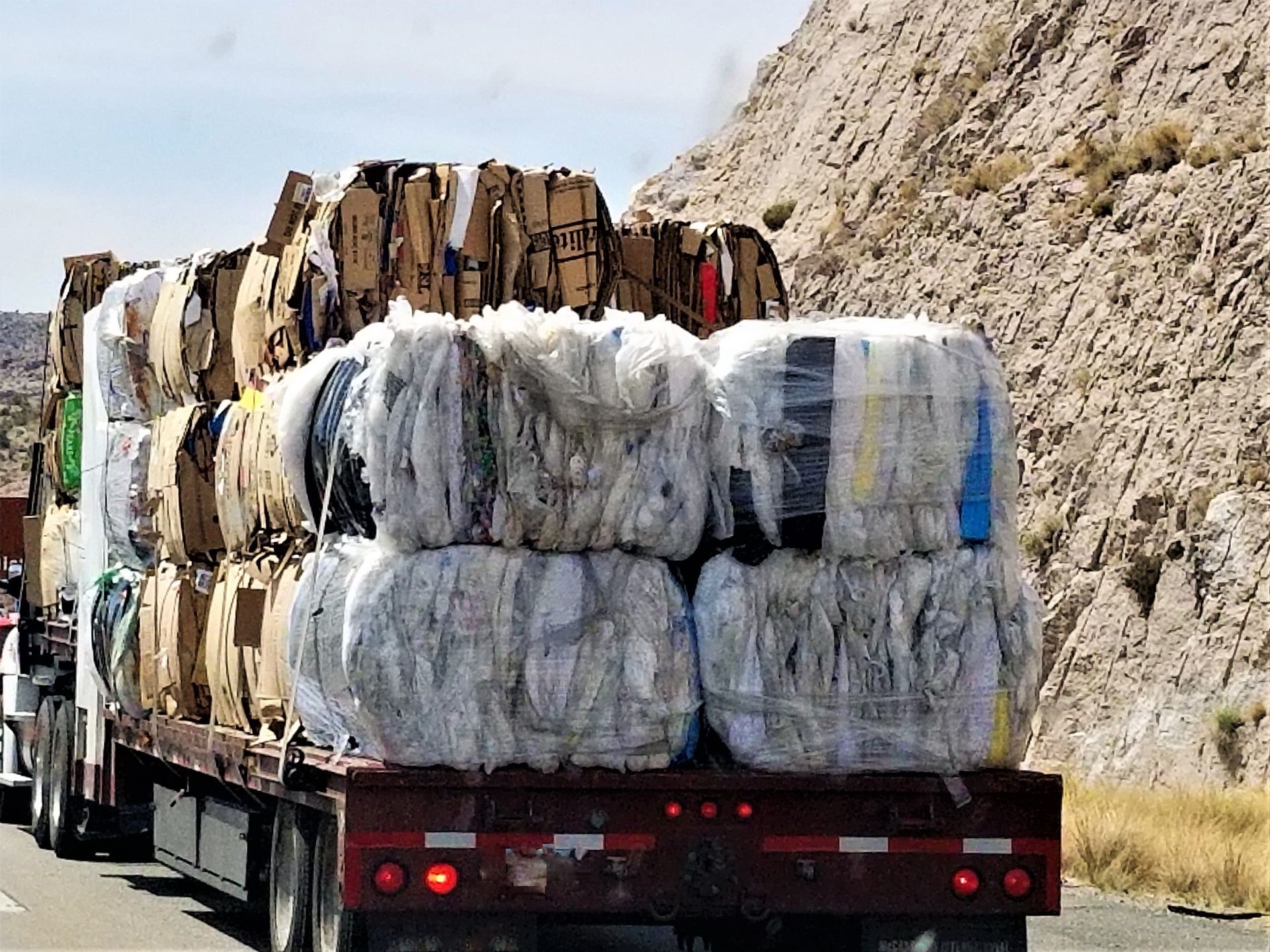
Packaging Materials
Cardboard, plastic wrap, wood pallets, foam packaging, metal strapping.
Mostly recyclable:cardboard baled and sold, plastic film recycled when clean, pallets reused or ground, metal strapping sold as scrap.
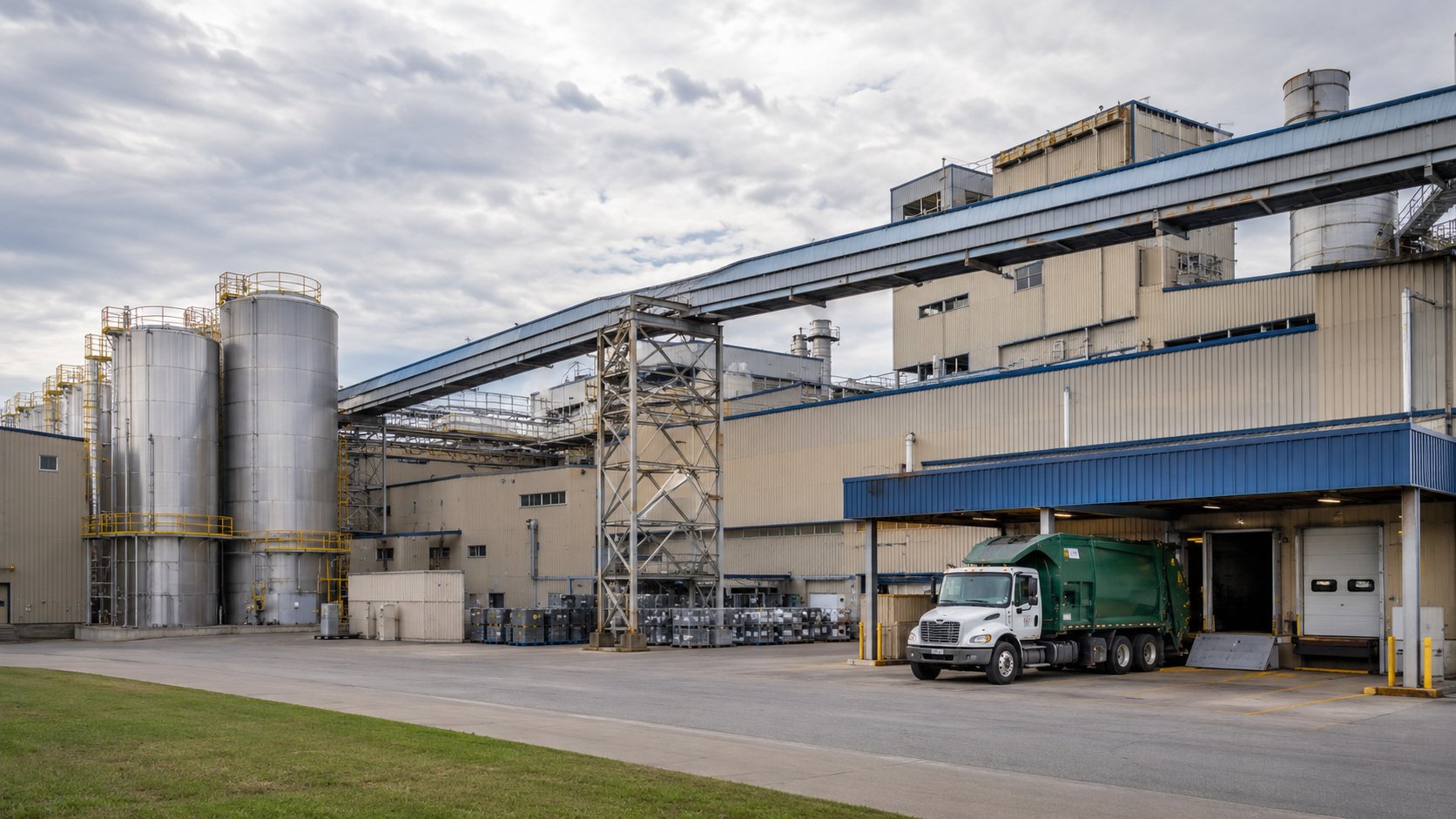
Manufacturing Process Waste
Metal shavings and turnings, plastic trim from molding, wood sawdust, fabric scraps, paper trimmings, non-toxic dust.
Segregation pays:sorted streams carry more recycling value, and source reduction lowers costs further.
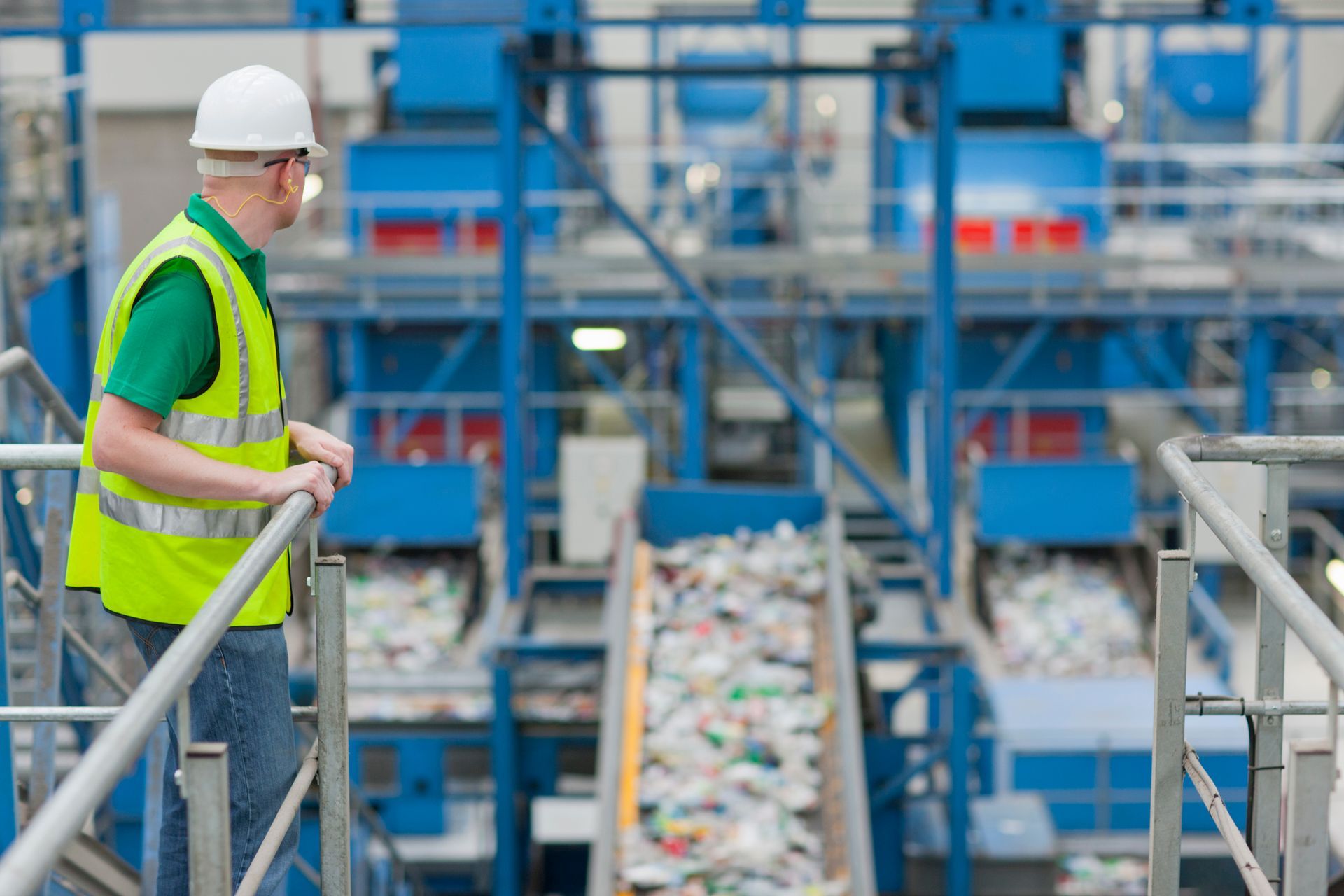
Office and Cafeteria Waste
Paper, cardboard, plastics, food waste, glass containers.
Divert it:recycling programs keep much of it out of the landfill, and food waste goes to composting or organics facilities.
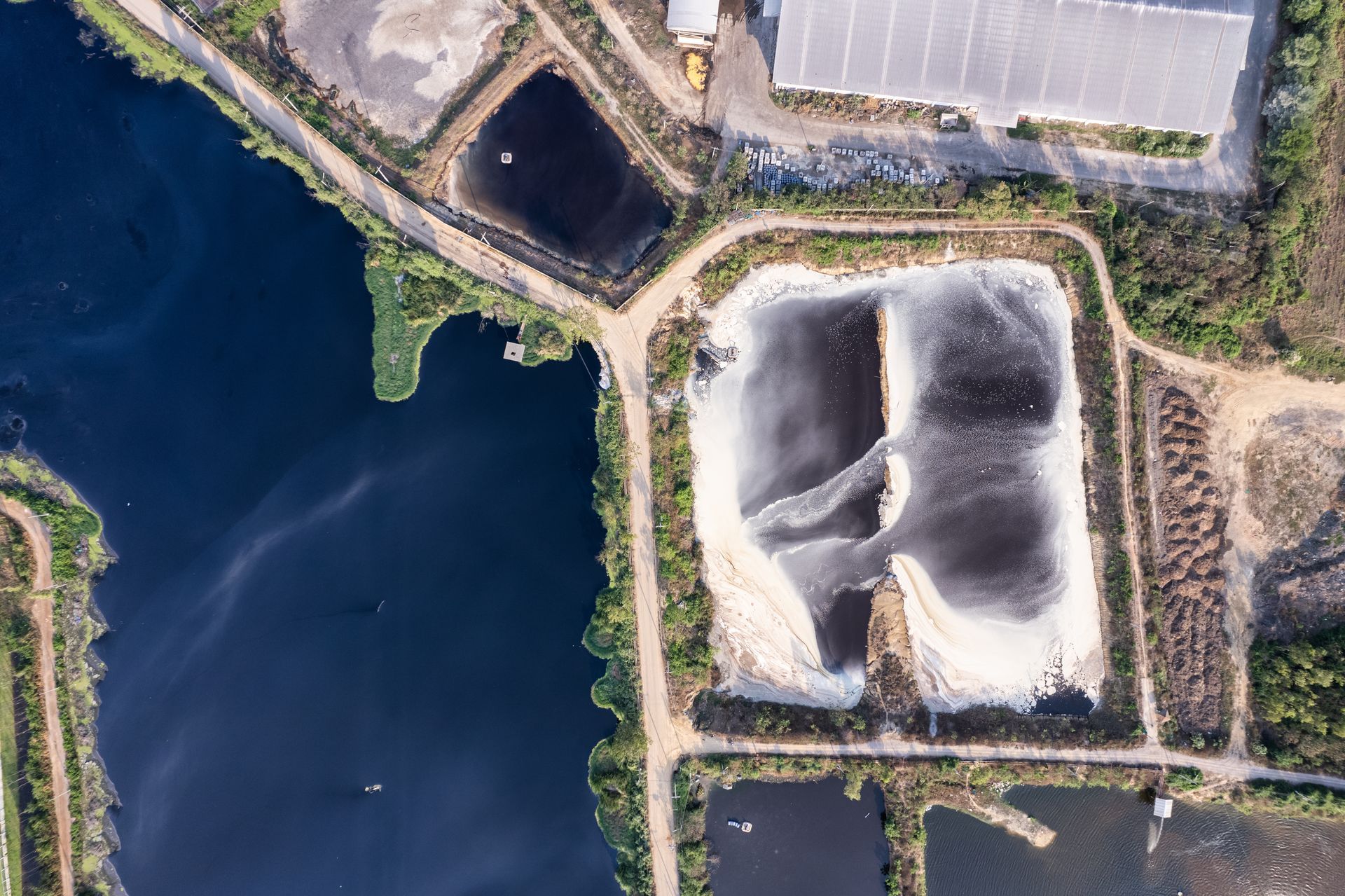
Industrial Sludges and Residues
Non-toxic wastewater treatment sludge, boiler ash, incinerator ash, cooling tower sludge.
Shrink it first:dewatering lowers transport and disposal costs, and some ash suits beneficial reuse in concrete.
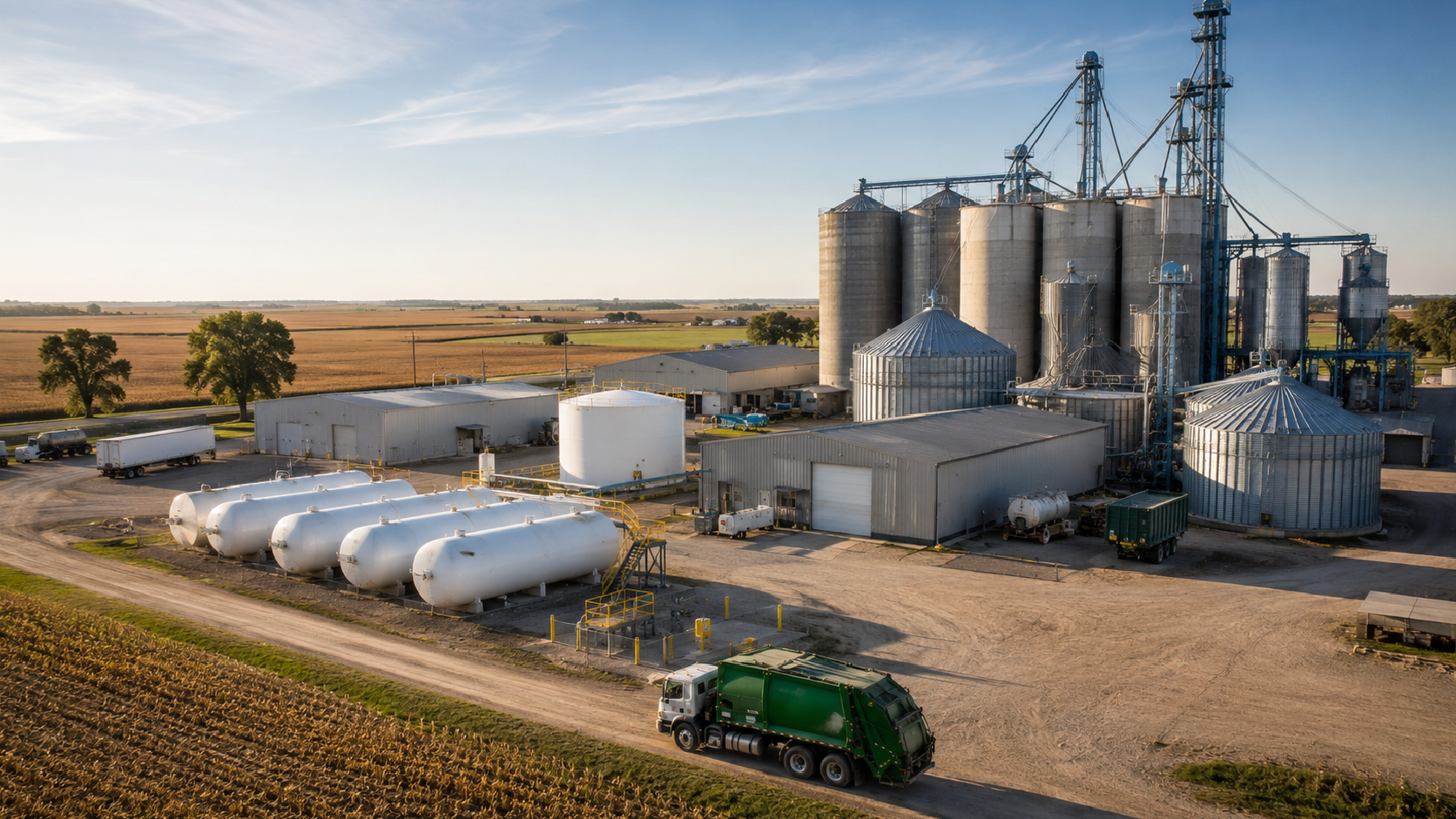
Agricultural Waste
Crop residues, animal bedding, spoiled feed, greenhouse waste, packaging materials.
Compost first:organic materials are excellent composting candidates, and manure is often land-applied under nutrient management permits.
Non-Hazardous Waste Disposal Methods
Subtitle D Landfills
Modern landfills with composite liners, leachate collection systems, and methane gas capture. General non-hazardous industrial waste, construction debris, and non-recyclable materials accepted. All loads inspected at the gate, with rejections for non-compliant materials.
Recycling and Material Recovery
Material recovery facilities (MRFs) sort and process recyclables. Scrap yards handle metals. Plastics processors sort by resin type. Source-separated materials command higher prices than mixed recyclables, and revenue from high-value metals offsets disposal costs.
Composting and Organics Processing
Food waste, yard trimmings, non-hazardous biosolids, and agricultural waste processed through aerobic decomposition. Final compost used in landscaping and agriculture. Anaerobic digestion is an alternative that produces biogas for energy.
Beneficial Reuse
Clean fill (uncontaminated soil) for construction grading, crushed concrete and asphalt for road base, boiler ash in concrete production, shredded tires for civil engineering applications. Beneficial reuse avoids landfilling while providing value.
Waste-to-Energy
High-BTU materials (plastics, wood, paper) incinerated with energy recovery, generating electricity or steam. Not available in all regions, but supports sustainability goals.
Cost Reduction Through Waste Minimization
Recycling Programs Lower Disposal Costs
Diverting materials from landfills reduces your expenses while generating value. Common opportunities include:
- Metals: steel, aluminum, copper, brass sold to scrap dealers, generating revenue based on market conditions
- Cardboard and paper: baled and sold to recyclers
- Wood pallets: reused, repaired, or ground for mulch or biomass fuel
- Plastics: HDPE, PET, PVC recycled when properly segregated
- Concrete and asphalt: crushed for aggregate in construction projects
Recycling is often less expensive than landfilling, and high-value metals generate revenue that offsets disposal costs.
Container Optimization Reduces Hauling Frequency
Right-sizing containers prevents overpaying for frequent pickups or emergency hauls when containers overflow. Your waste generation patterns are analyzed, and the container size is matched to actual volumes.
Consolidated scheduling, coordinating pickups to maximize fill rates, lowers per-ton transportation costs. For high-volume generators, compactors reduce waste volume and cut hauling frequency and costs.
Waste Audits Identify Hidden Savings
Professional waste stream audits reveal opportunities invisible to daily operations. Tracking includes waste types, volumes, sources, and disposal methods, then identifies segregation improvements, recycling potential, source reduction opportunities, and container and scheduling optimization.
Annual audits demonstrate program value and provide data for continuous improvement.
ESG and Sustainability Reporting
Waste diversion metrics support corporate sustainability goals and ESG disclosures. You receive:
- Landfill diversion rates (percentage of waste recycled or reused)
- Tonnage reports by material type
- Carbon footprint reduction from recycling (vs. landfilling)
- Cost savings and revenue from recycled materials
Reporting helps you meet customer and corporate waste diversion requirements.
Our Non-Hazardous Waste Disposal Process
1
Waste Assessment and Stream Analysis
2
Waste Segregation and Recycling Programs
3
Container Optimization and Scheduling
4
Transportation and Facility Coordination
5
Disposal and Recycling
6
Documentation and Reporting
Select a step to see what happens at each stage ↓
1. Assessment
2. Segregation
3. Containers
4. Transport
5. Disposal
6. Documentation
Your waste generation patterns are evaluated to identify recyclable materials and verify proper classification. Assessment includes visual inspection of materials, review of waste sources (production processes, maintenance activities, packaging operations), volume and frequency tracking, and identification of recycling opportunities.
For materials whereclassification is unclear, testing is recommended to confirm non-hazardous status. This verification prevents costly rejections at disposal facilities and ensures you're not overpaying for hazardous waste disposal when simpler, less expensive methods apply.
Segregation systems are designed to separate recyclables from landfill-bound waste at the point of generation. Your programs include dedicated containers for metals, cardboard, plastics, and wood, clear labeling and staff training, contamination prevention through proper sorting, and tracking systems measuring diversion rates.
Recycling reduces your disposal costs. High-value metals (copper, aluminum, stainless steel) generate revenue. Cardboard, plastics, and wood pallets are cheaper to recycle than landfill. You receive diversion reports supporting ESG goals and corporate sustainability commitments.
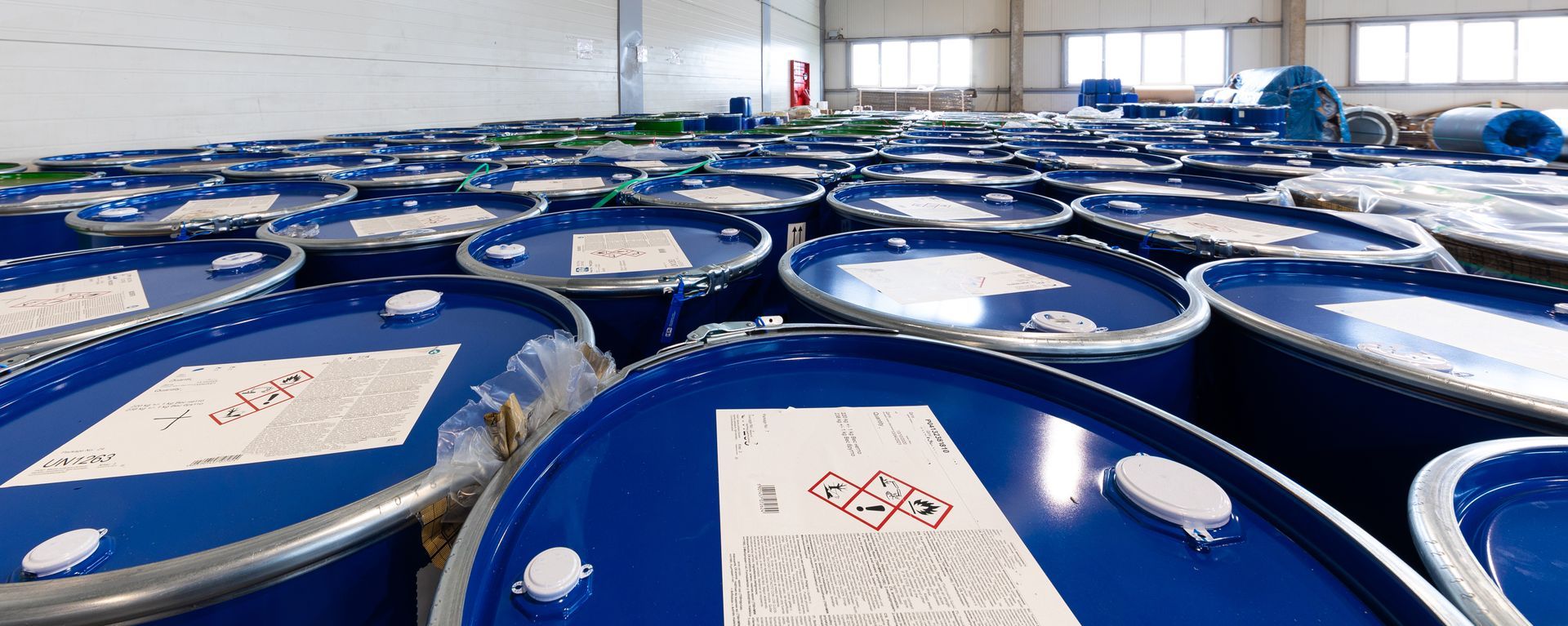
Containers are right-sized to match your waste generation, reducing unnecessary hauls and lowering costs. Your options include 55-gallon drums for smaller quantities, roll-off containers (10-40 cubic yards) for construction debris and bulk materials, compactors for high-volume ongoing generation, and specialized containers for unique materials.
Your pickup scheduling is optimized around operations (weekly, monthly, or on-call), so containers don't overflow while transportation costs stay low. High-volume facilities benefit from consolidated scheduling that maximizes container fill rates.
All transportation is DOT-compliant, with proper load securement, appropriate vehicle types (dump trucks, roll-offs, flatbeds), and route planning for efficiency.
Multiple disposal facility relationships ensure backup capacity, competitive pricing, and geographic coverage. Facilities are verified for current permits, insurance, and regulatory compliance. Site selection balances disposal cost, transportation distance, and any special requirements.
Your materials are directed to appropriate facilities: Subtitle D landfills for general non-hazardous waste, construction and demolition landfills for building debris, recycling facilities (material recovery facilities, scrap yards, plastics processors), composting operations for organic materials, and beneficial reuse sites (clean fill, crushed concrete and asphalt).
You receive tracking for every load showing where materials went and documentation proving compliant disposal and material diversion.
Complete records are provided for every project: waste manifests or bills of lading, disposal facility receipts with tonnage or volume, recycling certificates documenting material diversion, and annual summary reports tracking costs, volumes, and diversion rates.
Your documentation supports regulatory recordkeeping, environmental audits, and ESG reporting and corporate sustainability disclosures.
Recent Non-Hazardous Waste Projects
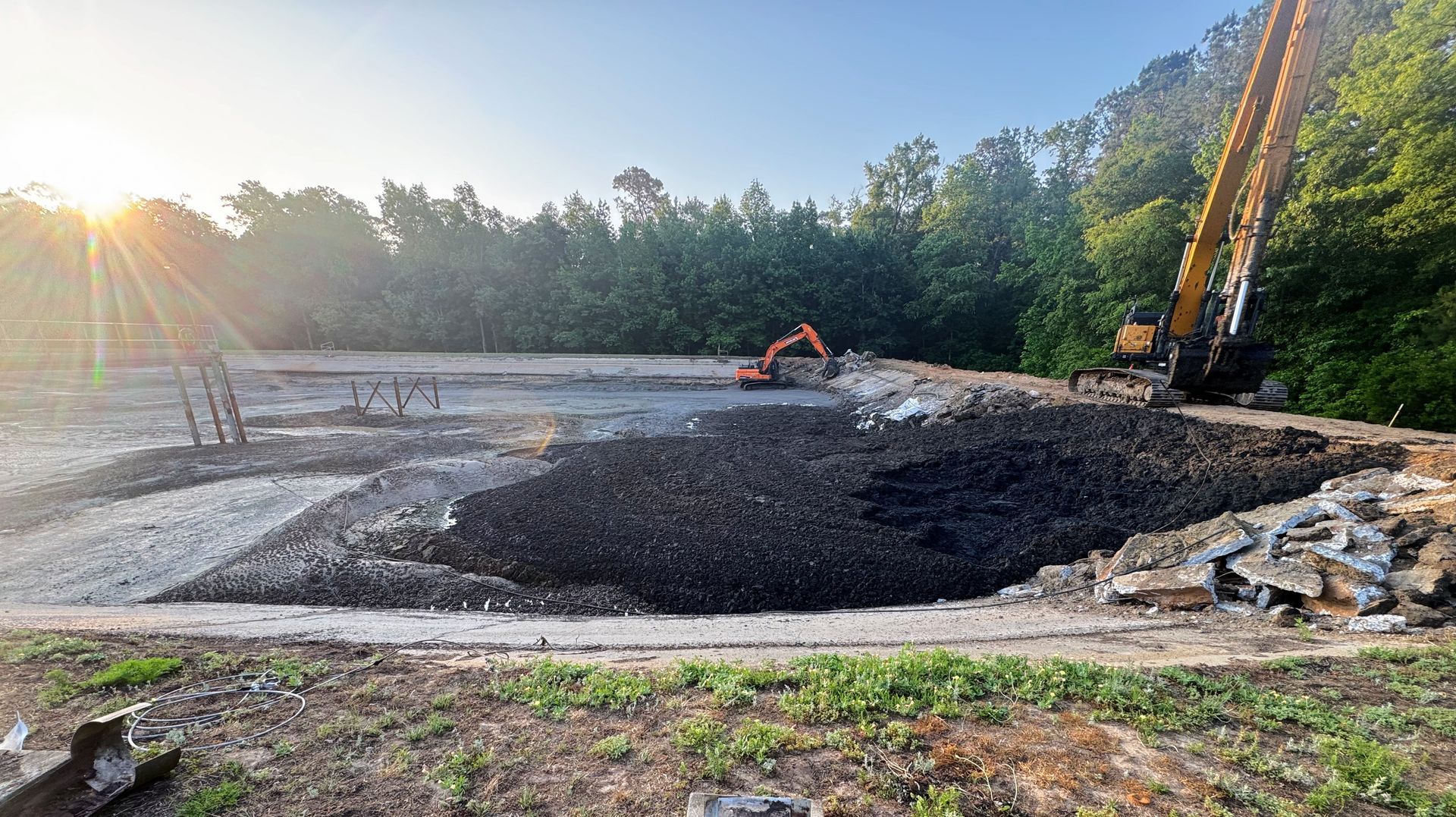
Eastern North Carolina · Wastewater treatment facility
~4,400 tons
Basin sludge removed in under six weeks
An aeration basin in service since 1967 and never fully cleaned. Sludge disposed of at a Subtitle D landfill, with complete transportation and disposal records, while the rest of the plant kept running.
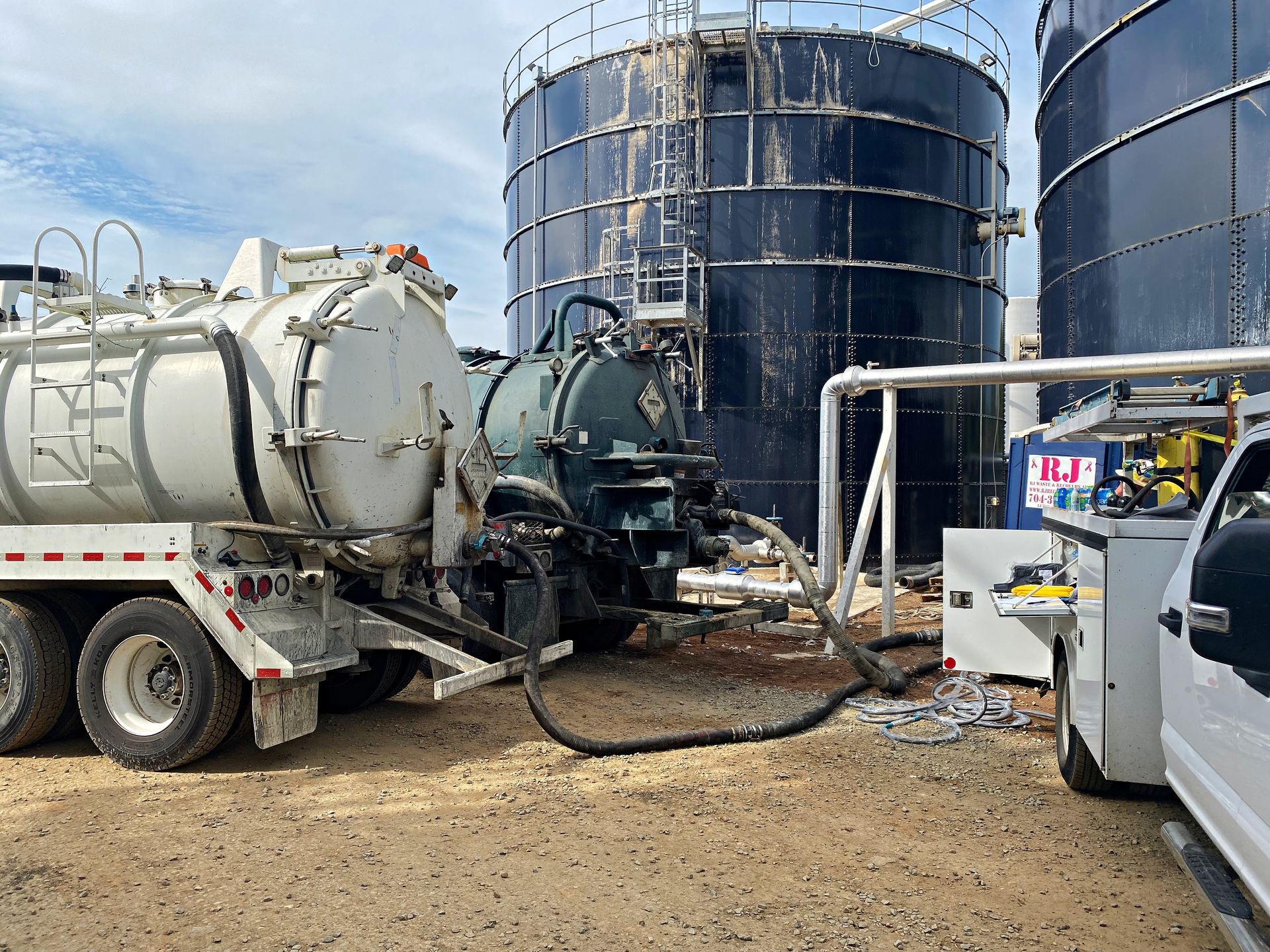
Charlotte, NC · Food and beverage plant
5 days
Foam spill cleaned, operations back to normal
We contained a facility-wide foam overflow, cleaned the plant's stormwater pond, and restored it to its permitted condition, so the facility returned to normal operations without extended downtime.
Industries We Serve & Waste Types Generated
Manufacturing
Metal shavings and turnings, packaging waste, cardboard boxes, plastic wrap, process residues, off-specification products, dust from grinding and polishing. Manufacturing waste services →
Construction & Demolition
Concrete, asphalt, brick, wood framing, drywall, roofing materials, metal framing and fasteners, clean soil, demolition debris. Construction and demolition services →
Distribution & Logistics
Cardboard shipping boxes, plastic strapping and wrap, wood pallets and crates, foam packaging, damaged goods, warehouse cleanup materials.
Food & Beverage Processing
Food waste and organics, packaging materials, cardboard cases, plastic bottles and containers, spoiled materials, cafeteria waste. Food and beverage services →
Healthcare Facilities
Non-infectious medical waste, office paper and cardboard, cafeteria organics, packaging materials, general facility waste.
Hospitality & Commercial Real Estate
Office paper and cardboard, food service waste, packaging materials, furniture and fixtures, renovation debris, landscaping waste.
Education Institutions
Cafeteria organics, paper and cardboard, laboratory non-hazardous waste, construction and renovation debris, grounds maintenance waste. University and research services →
Retail Operations
Cardboard shipping boxes, plastic packaging, damaged merchandise, pallets and crates, store renovation debris, warehouse materials.
Agriculture & Food Production
Crop residues and plant material, animal bedding, spoiled feed and grain, packaging materials, greenhouse waste, irrigation equipment. Agricultural services →
Automotive & Manufacturing
Metal shavings and turnings, packaging materials, cardboard, plastic components, wood crating, non-toxic process waste. Automotive and aerospace services →
Why Work With U.S. Waste Industries, Inc.
One Vendor
Most facilities juggle separate vendors for disposal, transport, tank cleaning, and emergency response, each with its own contract, invoice, and paperwork trail. U.S. Waste Industries manages hazardous and non-hazardous streams under one accountable account, so your EHS and plant teams manage a single relationship instead of five, and keep records consistent and inspection-ready across every department and site.
Real People
When a spill happens or a cleanout cannot wait, you reach a person, not a ticket queue or an automated menu. Our team answers the phones directly, and every client gets a dedicated rep who stays with your account for the life of the project. We deploy experienced field teams that mobilize fast and learn your operation.
Faster Approvals
Tight accumulation limits and nonstop production schedules leave no room for slow vendors or corporate red tape. As a family-owned company in the field since 2001, with nationwide reach, we move profiling, scheduling, and removal quickly and find cost-effective routing, so you hit your deadlines, keep production lines running, and stay documented at every step.
Free Screening Check
Is My Waste Hazardous?
Spill or release happening now? Call our 24/7 emergency line: 800-727-9796
This is a screening tool, not a hazardous waste determination. Under 40 CFR 262.11, the generator must make an accurate determination using knowledge of the waste, testing, or both. Some states have stricter rules. A professional waste profile confirms the answer.
How EPA Decides If Waste Is Hazardous
Under 40 CFR 262.11, the generator (the business that produced the waste) must decide whether it's hazardous at the point of generation, before it's mixed with anything. The check runs in this order:
- Is it excluded? Some wastes are excluded from the hazardous waste rules under 40 CFR 261.4.
- Is it listed? EPA lists spent solvents and wastes from common processes (F list, 40 CFR 261.31), wastes from specific industries (K list, 261.32), and discarded commercial chemical products (P and U lists, 261.33). P-listed wastes are acute hazardous waste.
- Does it show a hazardous characteristic? Ignitable (D001, such as a liquid with a flash point below 140°F), corrosive (D002, a water-based liquid with a pH of 2 or lower, or 12.5 or higher), reactive (D003), or toxic under the TCLP test (D004–D043, such as lead at or above 5.0 mg/L).
Federal rules, checked against the eCFR (Title 40) in November 2026. Some states have stricter rules.
Separate Rules for Some Wastes
- Universal waste (40 CFR part 273): batteries, pesticides, mercury-containing equipment, lamps, and aerosol cans.
- Used oil (40 CFR part 279): has its own rules when recycled. Used oil with more than 1,000 ppm total halogens is presumed hazardous.
- PCBs (TSCA, 40 CFR part 761): PCB liquids at 50 ppm or more have specific disposal requirements.
What to Do Next
Hazardous? SeeHazardous Waste Disposal.Non-hazardous? Request a quotebelow.Not sure? Call800-669-9552with the waste type, amount, location, and whether it's one-time or recurring, and we'll help you profile it.
Request a Quote for Non-Hazardous Waste Removal
Non-hazardous waste disposal keeps industrial facilities compliant while reducing landfill costs through recycling and diversion programs. Whether you're managing construction debris, packaging waste, or routine industrial byproducts, we provide compliant transportation and disposal with complete documentation.
What to Include
Describe waste type (construction debris, packaging, plastics, e-waste, sludge), estimate volume (drums, tons, truckloads per month), indicate if waste is recurring or a one-time project, and mention any disposal timeline or operational constraints.
Prefer to talk? Call 800-669-9552 or email info@uswonline.com with the waste type, amount, location, and whether it's one-time or recurring. Emergencies: 800-727-9796, 24/7.
Non-Hazardous Waste Disposal FAQs
Still have a question? Call 800-669-9552 and a real person answers.
What is the difference between hazardous and non-hazardous waste?
Hazardous waste is waste that EPA lists by name, or that exhibits one or more EPA-defined characteristics: ignitability, corrosivity, reactivity, or toxicity exceeding regulatory limits. Listed wastes include spent solvents and wastes from specific industrial processes (the F and K lists) and discarded commercial chemical products (the P and U lists). A listed waste is hazardous because of where it came from, even if it doesn't test hazardous. Non-hazardous waste is neither listed nor shows these characteristics, but still requires proper disposal at permitted facilities.
The distinction matters because disposal methods and costs differ. Non-hazardous waste disposal is generally less expensive and less regulated than hazardous waste. However, materials that appear non-hazardous may contain hazardous constituents requiring special handling. Professional waste characterization prevents misclassification and keeps disposal cost-effective.
Not sure which yours is? Take the free waste screening check.
How much does non-hazardous waste disposal cost?
Disposal charges depend on several factors: waste type, volume, location, and disposal method.
How charges are calculated: weight-based (per ton for most waste streams), volume-based (per cubic yard for bulk materials), container-based (flat rate per haul including transportation and disposal), or monthly service fees (compactors and regular pickup programs).
What to have ready for an accurate quote: waste description, estimated volume or weight per month, pickup frequency (weekly, monthly, on-call), location and site access, and current disposal costs if you're switching vendors.
Volume generators negotiate better rates, and facilities with multiple waste streams benefit from consolidated service agreements. Transportation distance has a big effect on cost.
Can non-hazardous waste go in regular trash?
Usually not. Industrial and commercial non-hazardous waste generally can't go in municipal trash because of volume limits (trash collectors refuse industrial quantities), composition (many materials need special facilities), state rules that restrict industrial waste in municipal systems, and liability (businesses are responsible for proper disposal).
Materials requiring industrial disposal include construction debris, manufacturing process waste, bulk packaging materials, sludges and liquids, and electronic waste. Professional disposal gives you proper documentation.
What documentation is required for non-hazardous waste disposal?
Documentation typically includes waste manifests or bills of lading tracking transportation, disposal facility receipts confirming acceptance and tonnage, waste characterization data (when testing is performed), and annual waste reports (required by some states).
Documentation serves regulatory compliance, audit defense, environmental due diligence during property transactions, and liability protection. Retention requirements vary by state, so keep records with your environmental files.
How can we reduce non-hazardous waste disposal costs?
Waste segregation: separate recyclables from landfill-bound waste. Recycling programs: metals, cardboard, and plastics generate revenue or reduce disposal costs. Source reduction: minimize waste generation through process improvements. Container optimization: right-size containers to reduce hauling frequency. Consolidated scheduling: maximize container fill rates to lower per-ton transportation costs. Beneficial reuse: find alternative uses for materials (clean fill, aggregate).
A waste audit identifies where your facility can save.
Do you handle construction and demolition waste?
Yes. We manage construction and demolition debris including concrete, asphalt, brick, wood framing, drywall, roofing materials, metal framing, and clean soil. Most C&D materials are recyclable: concrete crushed for aggregate, metals sold for scrap value, wood ground for mulch or biomass fuel, and clean fill reused in construction projects.
Recycling C&D materials reduces disposal costs. Roll-off containers are sized for your project, and recycling is planned to maximize diversion.
Related Services to Non-Hazardous Waste Removal
Industrial Recycling Services
Waste audits identifying cost-saving recycling opportunities.
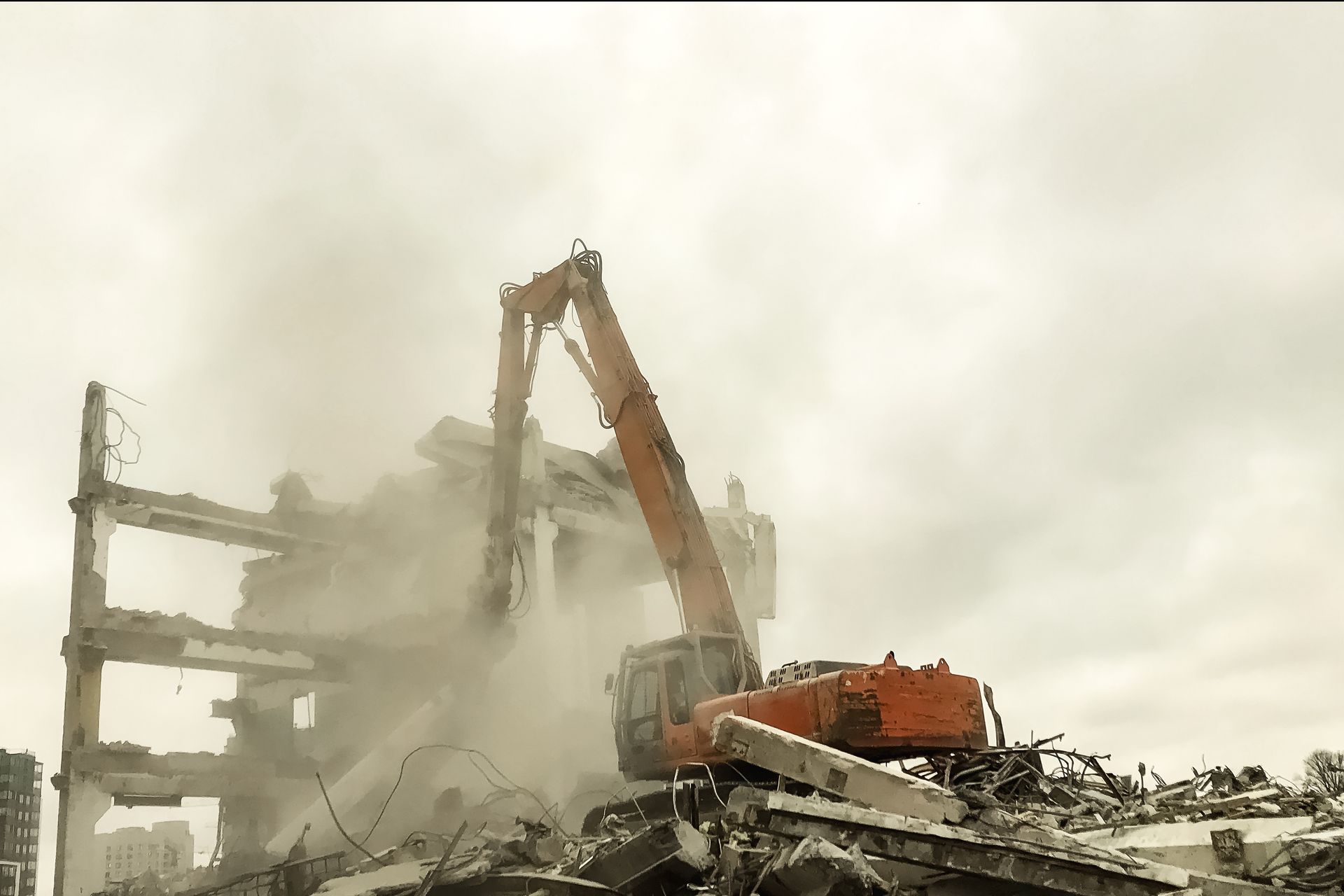
Industrial Plant Dismantling
Complete facility teardown generating non-hazardous construction debris.
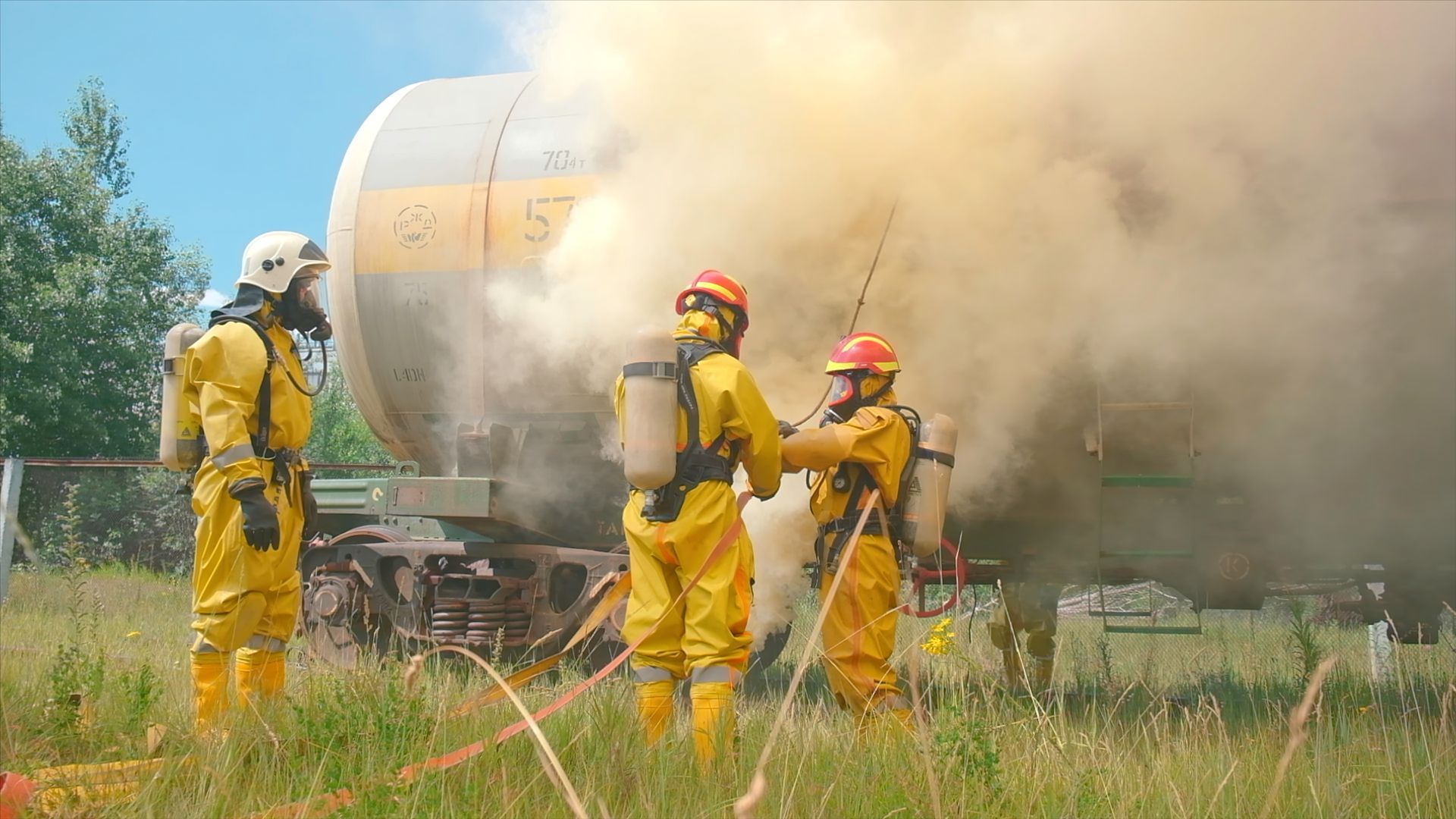
Hazardous Waste Disposal
RCRA-compliant disposal for regulated industrial hazardous materials.