
PAINT WASTE & SPENT COATINGS
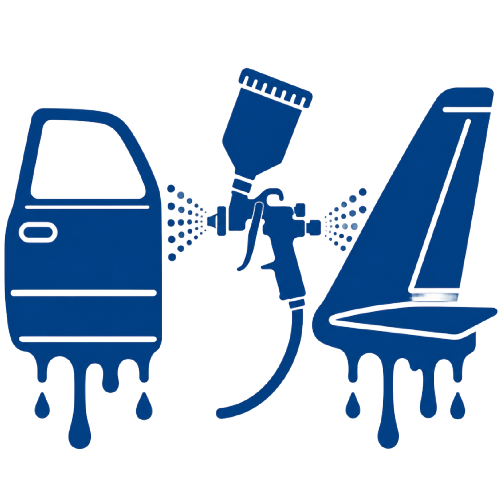
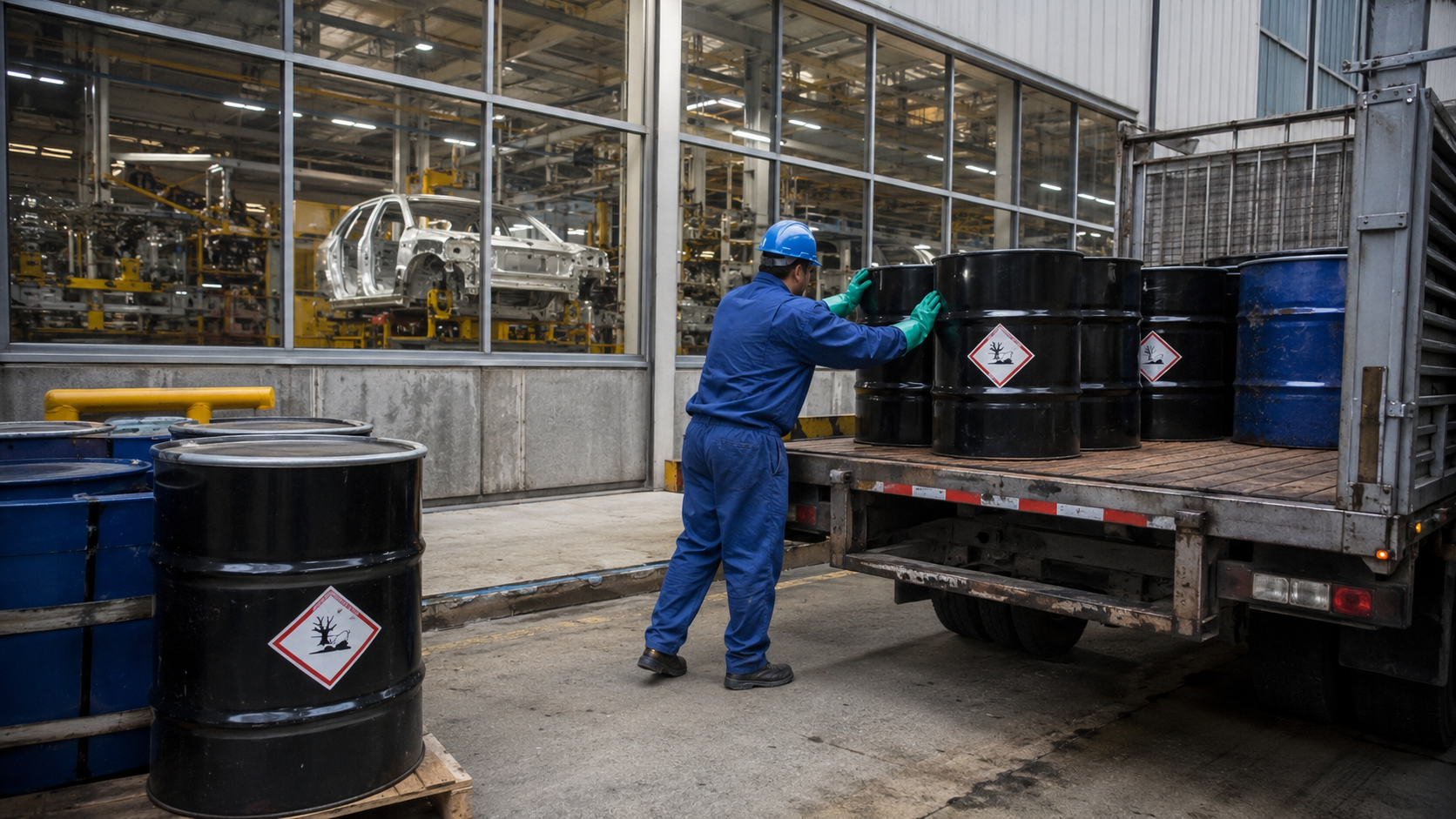
Paint waste and spent coatings from automotive and aerospace operations frequently exhibit the characteristic of ignitability (D001, 40 CFR 261.21) and, in some cases, the toxicity characteristic for metals such as chromium (D007) or lead (D008) under 40 CFR 261.24. These include paint booth overspray and sludge, spent and off-spec paints, primers, and coating cleaning waste.
Safe Storage:
Store paint waste and spent coatings in closed, compatible containers away from ignition sources, with containers labeled and dated at the start of accumulation. Chromated primers and certain specialty aerospace coatings can carry metal toxicity codes, so segregation supports accurate profiling. Hazardous paint waste is subject to generator time limits: 90 days for large quantity generators (40 CFR 262.17), or 180 days for small quantity generators, extended to 270 days only when transported 200 miles or more (40 CFR 262.16).
Disposal Methods:
Common pathways include thermal destruction at permitted incineration facilities for ignitable paint waste, and treatment and stabilization for metal-bearing coatings before land disposal. Paint booth filters and dried overspray are managed according to their characterization. The correct route depends on characterization and receiving facility acceptance.
What Affects Cost:
Cost is driven by volume and physical form, whether the waste carries ignitability alone or also metal toxicity codes, container count and packaging, transportation distance, and the treatment standard required before disposal. Coatings carrying chromium or lead codes may cost more to characterize and manage than ignitable-only paint waste.
Regulatory Considerations:
Paint waste may carry ignitability (D001, 40 CFR 261.21) and toxicity characteristic codes (D004 through D043, 40 CFR 261.24), and may meet a listing depending on solvent content under 40 CFR 261.31. Shipments are subject to manifesting under 40 CFR Part 262 Subpart B, Land Disposal Restrictions under 40 CFR Part 268, and DOT rules under 49 CFR Parts 171 through 180. A waste determination under 40 CFR 262.11 confirms the codes.
SPENT SOLVENTS & CLEANING CHEMICALS

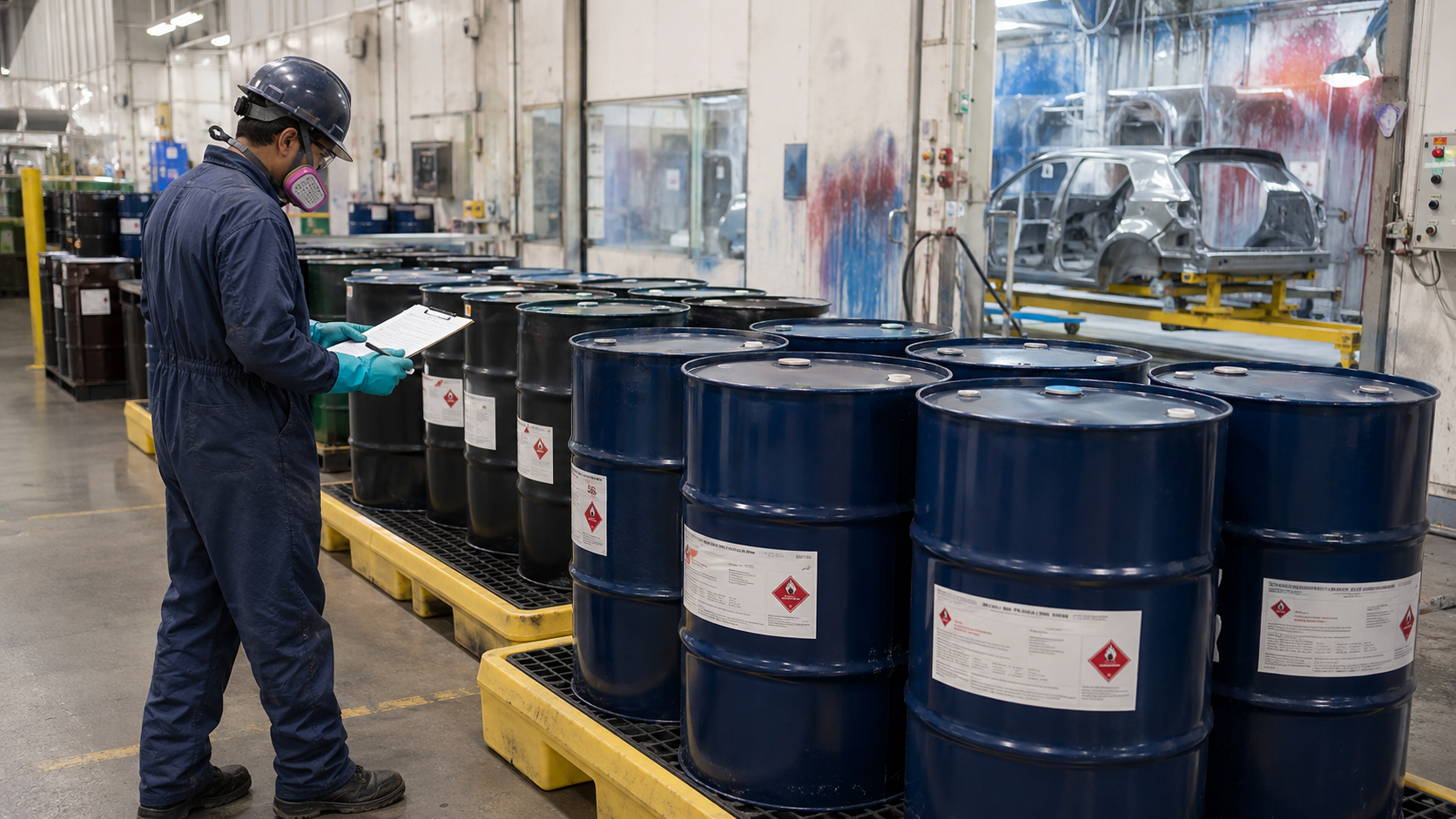
Spent solvents and cleaning chemicals from automotive and aerospace operations are commonly regulated as listed hazardous waste under EPA codes F001 through F005 (40 CFR 261.31) when they meet the listing description, and many also exhibit ignitability (D001, 40 CFR 261.21). These come from surface preparation, parts cleaning, degreasing, and equipment maintenance.
Safe Storage:
Store spent solvents in closed, compatible containers kept away from ignition sources, with each container labeled and dated when accumulation begins. Cleaning solvents used before coating should be segregated from incompatible wastes to support recovery. Accumulation must stay within generator time limits: 90 days for large quantity generators (40 CFR 262.17), or 180 days for small quantity generators, extended to 270 days only when transported 200 miles or more (40 CFR 262.16).
Disposal Methods:
Common pathways include solvent reclamation through distillation, fuel blending or energy recovery where accepted, and thermal destruction at permitted incineration facilities for streams that cannot be recovered. Many cleaning solvents may be candidates for recovery when characterization and receiving facility acceptance support that pathway. Routing depends on characterization and receiving facility acceptance.
What Affects Cost:
Cost is driven by volume, waste codes assigned during profiling, water and contaminant content, container size and count, whether the stream qualifies for recovery, and transportation distance. Solvents subject to Land Disposal Restrictions under 40 CFR Part 268 may require treatment to specific standards before disposal.
Regulatory Considerations:
Spent solvents listed under 40 CFR 261.31 are subject to RCRA generator requirements, manifesting under 40 CFR Part 262 Subpart B, DOT rules under 49 CFR Parts 171 through 180, and Land Disposal Restrictions under 40 CFR Part 268. A waste determination under 40 CFR 262.11 confirms the applicable codes before shipment.
METALWORKING FLUIDS & MACHINING WASTE

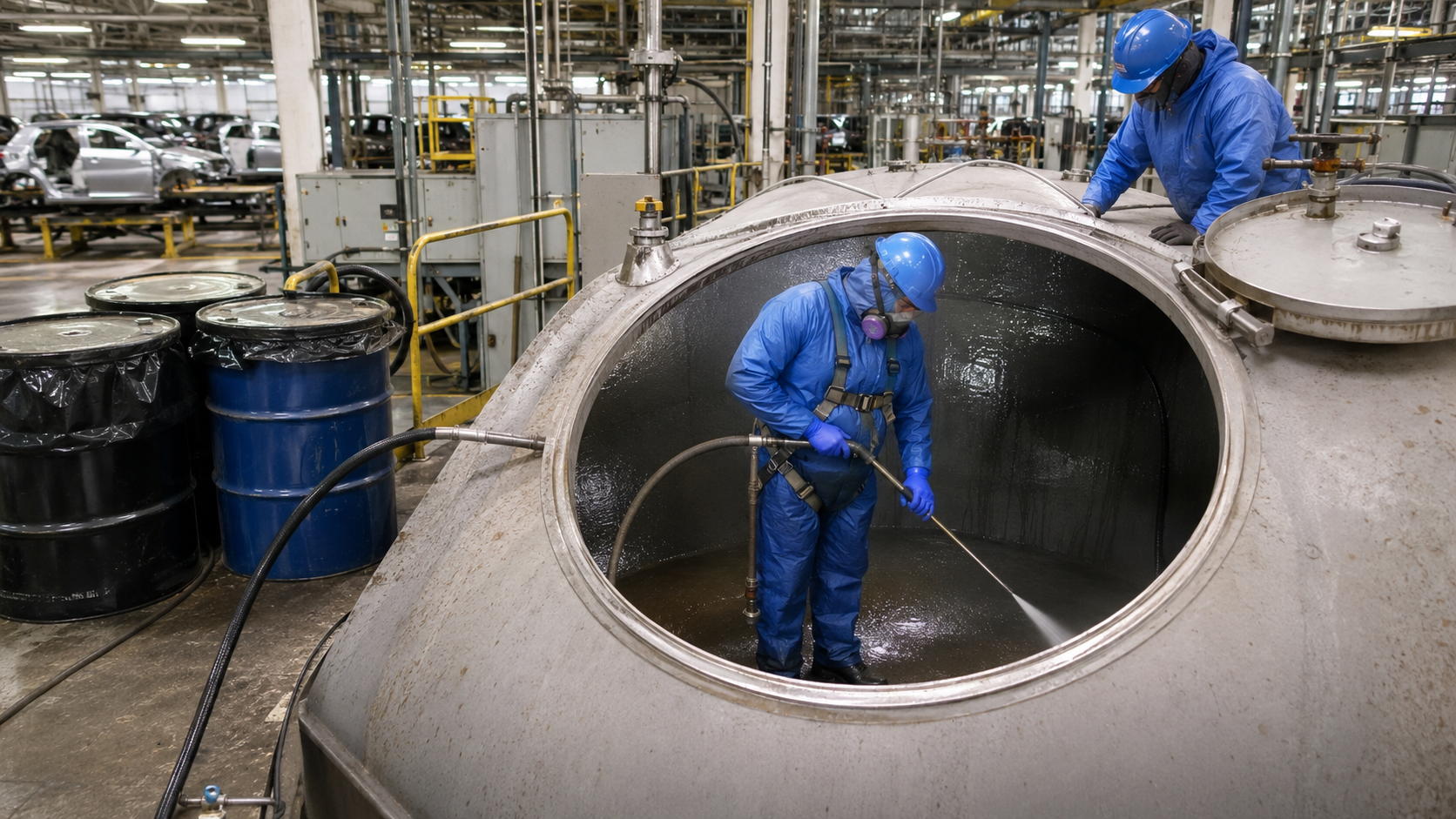
Metalworking fluids and machining waste from automotive and aerospace operations require a waste determination because they may exhibit the toxicity characteristic for metals such as chromium (D007), cadmium (D006), or lead (D008) under 40 CFR 261.24. These include spent coolants, cutting and grinding fluids, machining swarf, and chips from titanium, aluminum, and specialty alloy production.
Safe Storage:
Store metalworking fluids and machining waste in compatible, labeled containers or tanks with containment, segregated from incompatible streams. Swarf and chips from certain metals can be reactive when finely divided and wet, so storage should account for that. Hazardous metal-bearing streams are subject to generator accumulation limits: 90 days for large quantity generators (40 CFR 262.17), or 180 days for small quantity generators, with 270 days only for transport of 200 miles or more (40 CFR 262.16).
Disposal Methods:
Common pathways include metals recovery and reclamation where the metal content has value, treatment and stabilization to meet land disposal standards, and disposal at permitted facilities. Spent fluids may be processed to separate water, oil, and solids. Certain metal chips and swarf may be eligible for reclamation depending on characterization and regulatory requirements. Routing depends on metal content and receiving facility acceptance.
What Affects Cost:
Cost is driven by the metals present and their concentrations, volume and physical form, whether the stream qualifies for metals recovery, treatment required to meet land disposal standards, and transportation distance. Streams carrying multiple toxicity codes may cost more to characterize and manage.
Regulatory Considerations:
The toxicity characteristic is defined at 40 CFR 261.24 (D004 through D043). Land Disposal Restrictions under 40 CFR Part 268 commonly require treatment of metal-bearing waste before disposal. Shipments require manifesting under 40 CFR Part 262 Subpart B and DOT compliance under 49 CFR Parts 171 through 180. A waste determination under 40 CFR 262.11 confirms the codes.
AEROSOLS & COMPRESSED GAS CONTAINERS
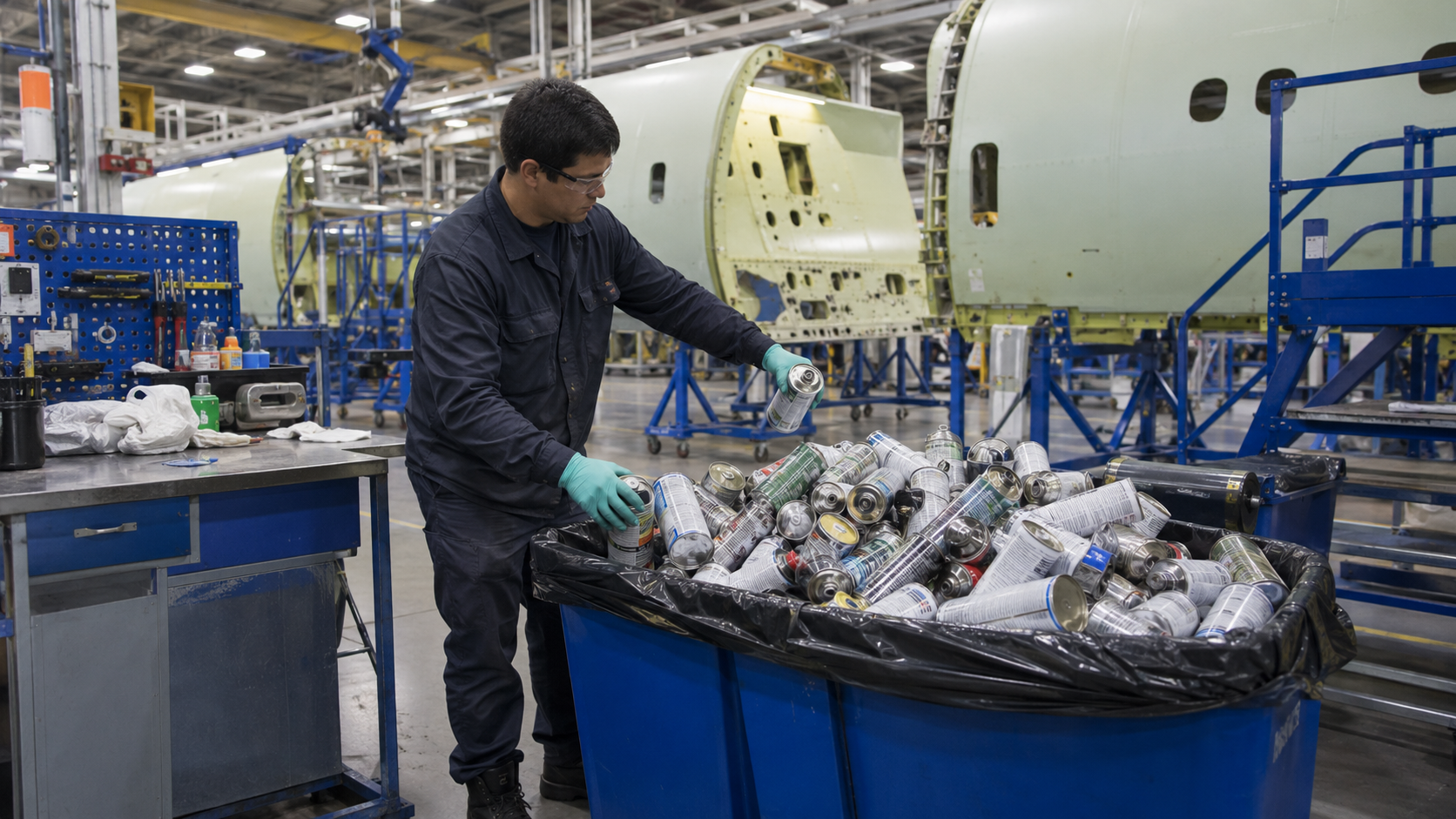
Discarded aerosol cans are a hazardous waste when they exhibit a characteristic such as ignitability or contain a listed substance, and they may be managed under the streamlined universal waste standards in 40 CFR Part 273 as an alternative to full hazardous waste regulation. These include spray paints, lubricants, solvents, and cleaning products used across automotive and aerospace maintenance and production.
Safe Storage:
Store waste aerosol cans in structurally sound, closed containers compatible with the contents, protected from damage that could cause leaks or releases, and labeled as required for the management pathway chosen. Cans handled as universal waste are accumulated under the Part 273 handler standards, which are less burdensome than full Subtitle C but still require release prevention and labeling. State adoption of the federal aerosol can universal waste provisions varies, so confirm the standard that applies in your state.
Disposal Methods:
Common pathways include puncturing and draining where allowed and performed under applicable universal waste or hazardous waste requirements, followed by proper management of residual liquids and recycling of the metal can where accepted. Cans managed as universal waste must be sent to another universal waste handler, a destination facility, or a foreign destination, as allowed under 40 CFR Part 273 and applicable state rules. The correct route depends on the contents and receiving facility acceptance.
What Affects Cost:
Cost is driven by the number and size of cans, whether they are managed as universal waste or full hazardous waste, the residual contents, container and handling logistics, and transportation distance. Streamlined universal waste handling can reduce management burden compared with full hazardous waste regulation where the state has adopted it.
Regulatory Considerations:
Aerosol cans are defined at 40 CFR 273.9, and the universal waste standards are set in 40 CFR Part 273. An aerosol can is a hazardous waste if it exhibits a characteristic under 40 CFR 261 Subpart C or contains a listed substance under 40 CFR 261 Subpart D; empty cans meeting 40 CFR 261.7 are not regulated as hazardous waste. Cans not managed as universal waste are subject to full RCRA generator requirements, manifesting under 40 CFR Part 262 Subpart B, and DOT rules under 49 CFR Parts 171 through 180.
CONTAMINATED ABSORBENTS, FILTERS & WIPES

Contaminated absorbents, filters, and wipes may carry the hazardous waste codes of whatever contaminated them, depending on the contaminant, waste status, and applicable RCRA rules or policies. These include paint booth filters, spent absorbents, shop rags, oil and fluid filters, and personal protective equipment.
Safe Storage:
Store contaminated absorbents, filters, and wipes in closed, labeled containers segregated by the contaminating waste type, kept away from ignition sources when the contaminant is ignitable. When these materials take on the codes of the contaminant, accumulation limits follow the contaminant's status: 90 days for large quantity generators (40 CFR 262.17), or 180 days for small quantity generators, with 270 days only for transport of 200 miles or more (40 CFR 262.16). Solvent-laden rags may qualify for the conditional exclusion for solvent-contaminated wipes when its conditions are met.
Disposal Methods:
Common pathways include incineration for material contaminated with organic hazardous waste, laundering or recovery for wipes managed under the conditional exclusion, and treatment to meet debris standards before land disposal where applicable. Paint booth filters loaded with ignitable or metal-bearing overspray are routed according to their characterization. The correct pathway depends on the contaminant and receiving facility acceptance.
What Affects Cost:
Cost is driven by volume and weight, the codes inherited from the contaminating waste, container count and packaging, transportation distance, and the treatment standard required before disposal. Material contaminated with listed waste may cost more to manage than material contaminated only with a characteristic waste.
Regulatory Considerations:
Contaminated absorbents and debris may be governed by the contained-in policy and derived-from rule, with alternative treatment standards for hazardous debris under 40 CFR Part 268. Applicable codes may follow the contaminant, whether listed under 40 CFR 261.31 through 261.33 or characteristic under 40 CFR 261.21 through 261.24. Solvent-contaminated wipes have a conditional exclusion under 40 CFR 261.4(a)(26) and 261.4(b)(18). The exclusion is conditional and generally requires closed, non-leaking containers labeled "Excluded Solvent-Contaminated Wipes," no free liquids at shipment, required records, and compliance with the 180-day accumulation limit. Non-excluded shipments require manifesting under 40 CFR Part 262 Subpart B and DOT compliance under 49 CFR Parts 171 through 180.