PESTICIDE & AGRICULTURAL CHEMICAL WASTE
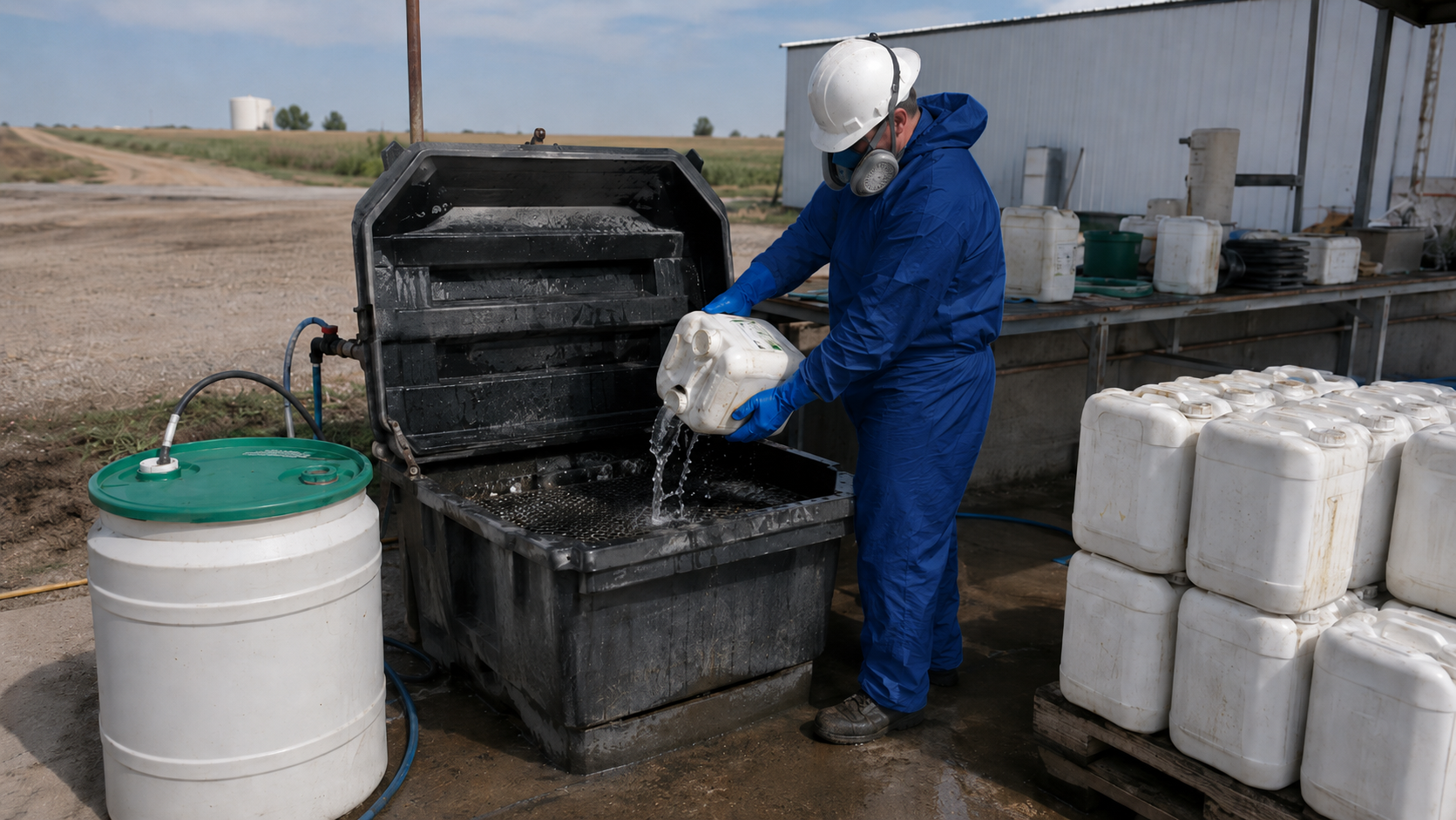
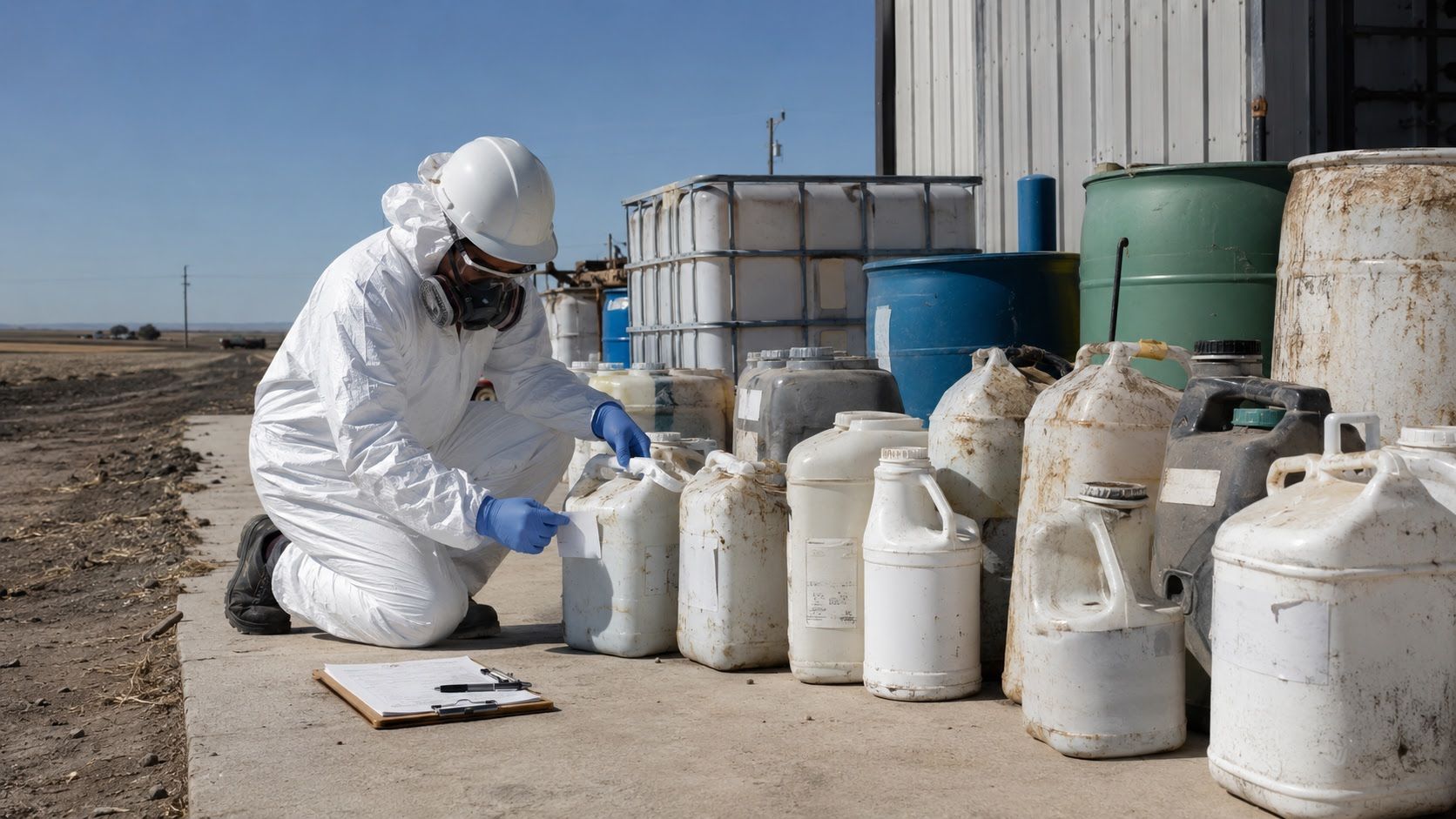
Pesticide and agricultural chemical waste at processing and commercial operations must be evaluated through a waste determination under 40 CFR 262.11, because expired, off-spec, or surplus products can be regulated hazardous waste when they are listed or exhibit a characteristic. These include expired or canceled pesticides, surplus agricultural chemicals, spilled or off-spec product, and rinsate from chemical handling.
Safe Storage:
Store pesticide and agricultural chemical waste in compatible, closed, labeled containers segregated by hazard class, with containment that addresses the specific chemistry. Some agricultural chemicals are acutely hazardous P-listed wastes that carry lower accumulation thresholds, so segregation matters. Where a stream is determined hazardous, generator accumulation limits apply: 90 days for large quantity generators (40 CFR 262.17), or 180 days for small quantity generators, with 270 days only for transport of 200 miles or more (40 CFR 262.16).
Disposal Methods:
Common pathways include thermal destruction at permitted incineration facilities, which is frequently used for pesticide waste, treatment for streams that can be rendered stable, and disposal at permitted facilities. The correct route depends on characterization and receiving facility acceptance.
What Affects Cost:
Cost is driven by the hazard class and listing status of the chemical, volume and container count, the testing required to characterize material, packaging needs for acutely hazardous waste, and transportation distance from often rural sites. P-listed pesticides are acute hazardous wastes and can trigger lower generator thresholds, stricter accumulation obligations, and additional handling and documentation requirements.
Regulatory Considerations:
Pesticide waste at agricultural processing and commercial operations is subject to full RCRA regulation when listed or characteristic, with a determination under 40 CFR 262.11 and codes under 40 CFR 261 Subparts C and D. The narrow farmer exemption at 40 CFR 262.70 applies only to a farmer disposing of hazardous waste pesticides from the farmer's own use, on the farmer's own farm, consistent with label disposal instructions, after triple-rinsing each emptied pesticide container under 40 CFR 261.7(b)(3). It does not apply to processing facilities, commercial disposal operations, or off-site disposal. Pesticides also remain subject to FIFRA. Hazardous shipments are manifested under 40 CFR Part 262 Subpart B and transported under DOT rules at 49 CFR Parts 171 through 180.
EMPTY PESTICIDE & CHEMICAL CONTAINERS
Empty pesticide and chemical containers are regulated based on whether they meet the RCRA empty-container criteria, because a container that held hazardous-waste pesticide is considered empty only after triple rinsing or an equivalent method under 40 CFR 261.7(b)(3). These include drums, totes, and smaller containers that held pesticides, fertilizers, or process chemicals.
Safe Storage:
Store containers awaiting determination or rinsing in a controlled area, segregated by the product they held, with rinsate captured for proper management. Containers that held acute hazardous P-listed materials must meet the acute hazardous waste empty-container criteria in 40 CFR 261.7, including triple rinsing or an equivalent removal method where applicable. Containers and rinsate that are determined hazardous are subject to generator accumulation limits: 90 days for large quantity generators (40 CFR 262.17), or 180 days for small quantity generators, with 270 days only for transport of 200 miles or more (40 CFR 262.16).
Disposal Methods:
Common pathways include container recycling or reconditioning for containers that meet empty criteria, disposal at permitted facilities, and management of captured rinsate according to its characterization. Rinsate may carry the waste codes of the product or exhibit a hazardous characteristic, depending on the product, concentration, and how the rinsate is managed. The correct route depends on characterization and receiving facility acceptance.
What Affects Cost:
Cost is driven by the number and size of containers, whether they meet empty criteria or require management as hazardous waste, the volume and codes of captured rinsate, and transportation distance. Containers that held P-listed products and the associated rinsate cost more to manage.
Regulatory Considerations:
Container empty criteria are set at 40 CFR 261.7, with triple rinsing under 40 CFR 261.7(b)(3) and stricter criteria for containers that held acute hazardous (P-listed) materials. Rinsate determined hazardous is subject to a determination under 40 CFR 262.11, manifesting under 40 CFR Part 262 Subpart B, and DOT rules under 49 CFR Parts 171 through 180. Pesticide container management may also be subject to FIFRA container and containment requirements.
FUEL, TANK & MAINTENANCE WASTE
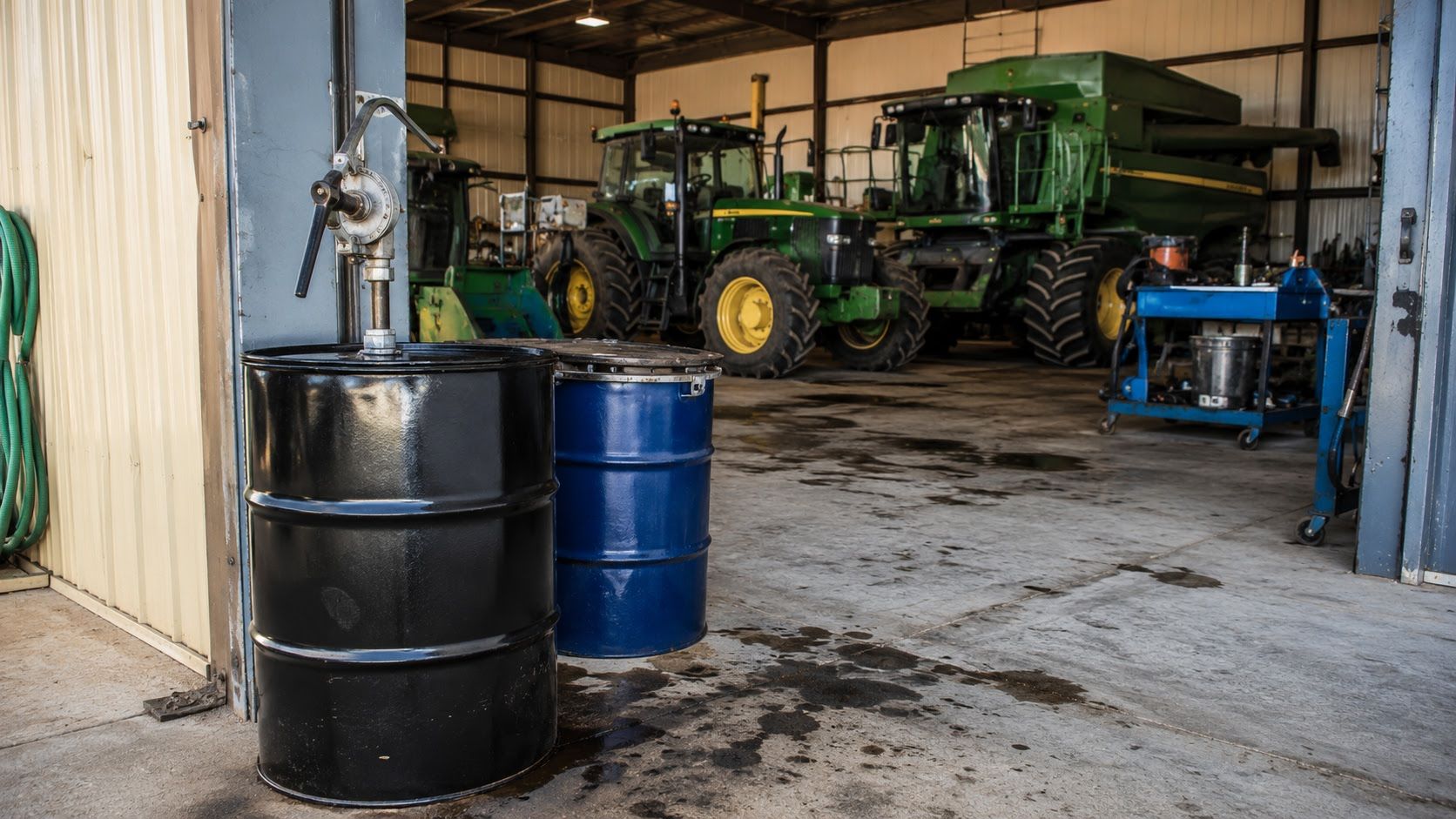
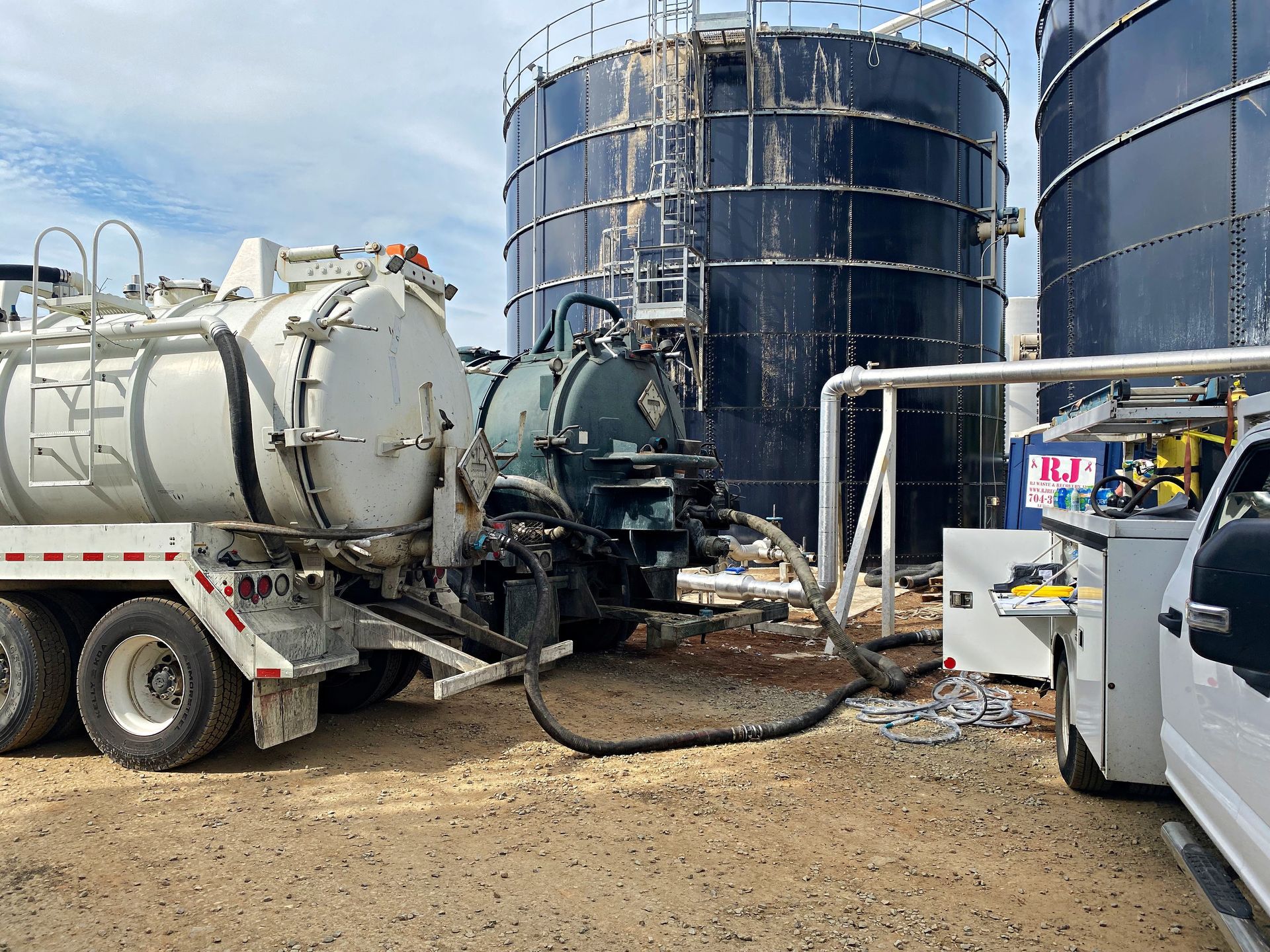
Fuel, tank, and maintenance waste from agricultural operations is most often managed as used oil under 40 CFR Part 279 or evaluated through a waste determination, depending on the material and whether storage tanks are involved. These include used oil and lubricants, fuel tank sludge and bottoms, tank cleaning waste, and contaminated maintenance materials.
Safe Storage:
Store used oil in tanks or containers in good condition, labeled "Used Oil," with measures to prevent leaks and address spills, and keep it from being mixed with hazardous waste. Tank cleaning waste and fuel bottoms should be containerized and characterized. Used oil managed under Part 279 is not subject to RCRA generator accumulation clocks; material determined hazardous follows the 90-day (40 CFR 262.17) or 180-day / 270-day (40 CFR 262.16) limits.
Disposal Methods:
Common pathways include recycling and re-refining for used oil, energy recovery at permitted facilities, tank cleaning with characterization and disposal of the removed material, and treatment or disposal at permitted facilities for hazardous streams. The correct route depends on characterization and receiving facility acceptance.
What Affects Cost:
Cost is driven by volume, water and contaminant content, whether oil meets used oil specifications for recycling, tank cleaning labor and access, and transportation distance from rural sites. Tank cleaning and sludge removal are significant cost drivers when storage tanks reach the end of service.
Regulatory Considerations:
Used oil management standards are set at 40 CFR Part 279, and used oil containing more than 1,000 ppm total halogens is presumed to be mixed with listed hazardous waste unless the presumption is rebutted under 40 CFR 279.10(b)(1)(ii). Fuel storage tanks may be subject to underground storage tank rules at 40 CFR Part 280 and Spill Prevention, Control, and Countermeasure requirements at 40 CFR Part 112, depending on tank type, capacity, contents, location, and applicability thresholds. Hazardous tank cleaning waste is manifested under 40 CFR Part 262 Subpart B and transported under DOT rules at 49 CFR Parts 171 through 180.
NON-HAZARDOUS PROCESS & ORGANIC WASTE
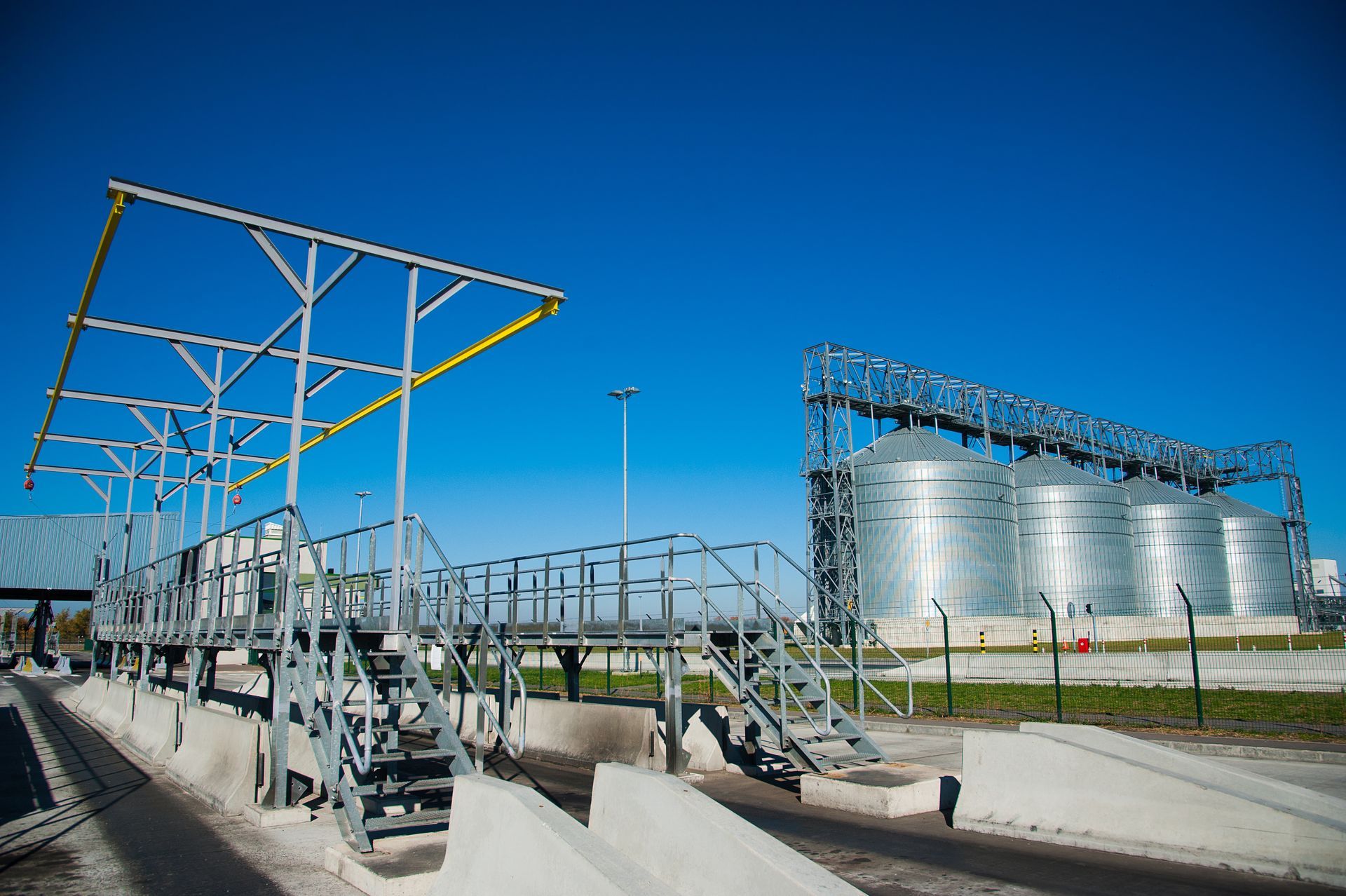
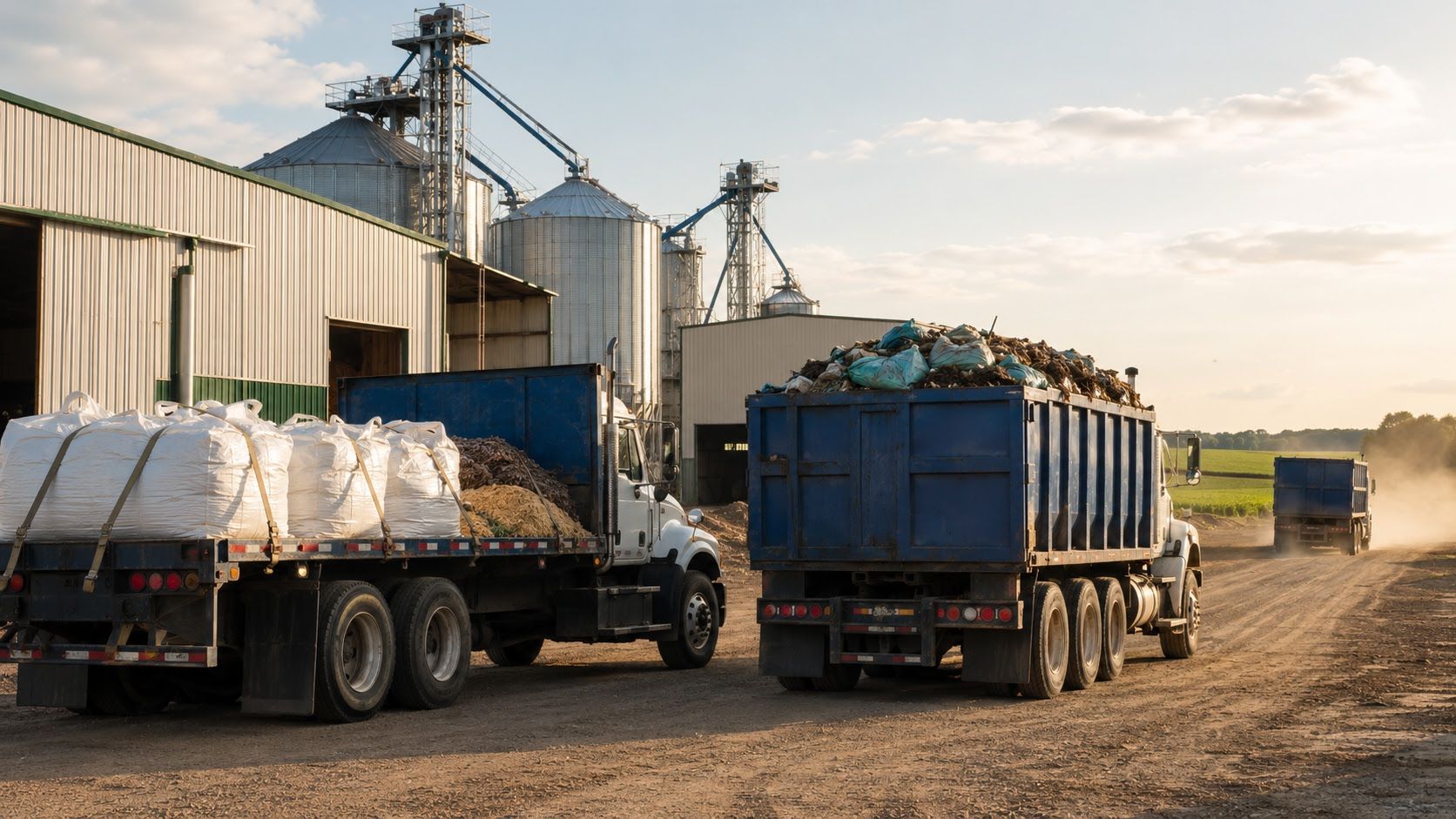
Non-hazardous process and organic waste from agricultural processing must be evaluated through a waste determination under 40 CFR 262.11 before being managed as non-hazardous, after which many streams are suitable for recycling, beneficial reuse, or disposal at permitted facilities. These include process residues, organic solids, spent filter media, and production byproducts.
Safe Storage:
Store these streams in containers, roll-offs, or tanks suited to the material, with documentation that supports the waste determination and any beneficial reuse pathway. Material confirmed non-hazardous follows applicable state solid waste handling rules; material that has not been determined should be managed as potentially hazardous until characterized.
Disposal Methods:
Common pathways include recycling and beneficial reuse, such as composting or animal feed, only where characterization, market acceptance, and applicable FDA, state agriculture, and local requirements allow, along with disposal at permitted facilities for confirmed non-hazardous material and industrial recycling for eligible byproducts. Certain organic byproducts may be eligible for reuse depending on characterization and market acceptance. Routing depends on characterization and receiving facility acceptance.
What Affects Cost:
Cost is driven by volume and weight, moisture content, whether the material qualifies for beneficial reuse, the testing required to support the waste determination, and transportation distance. Streams diverted to beneficial reuse may reduce disposal costs where characterization, logistics, market acceptance, and regulatory requirements support that pathway.
Regulatory Considerations:
A waste determination under 40 CFR 262.11 is required before any process or organic stream is managed as non-hazardous. Beneficial reuse pathways such as animal feed and land application are subject to additional federal, state, or local requirements, including FDA and state agriculture rules in some cases. Streams determined hazardous remain subject to manifesting under 40 CFR Part 262 Subpart B and DOT rules under 49 CFR Parts 171 through 180.