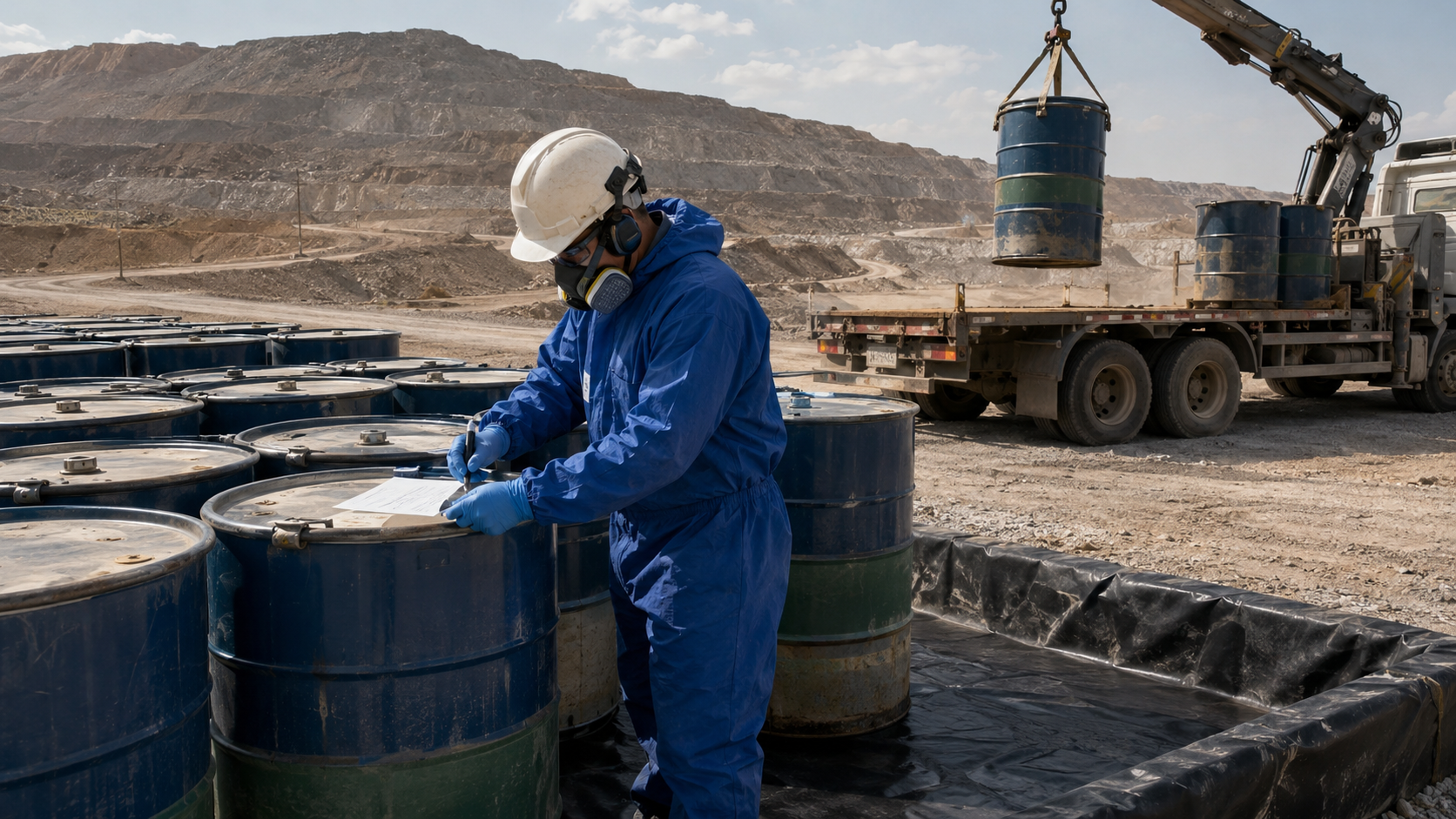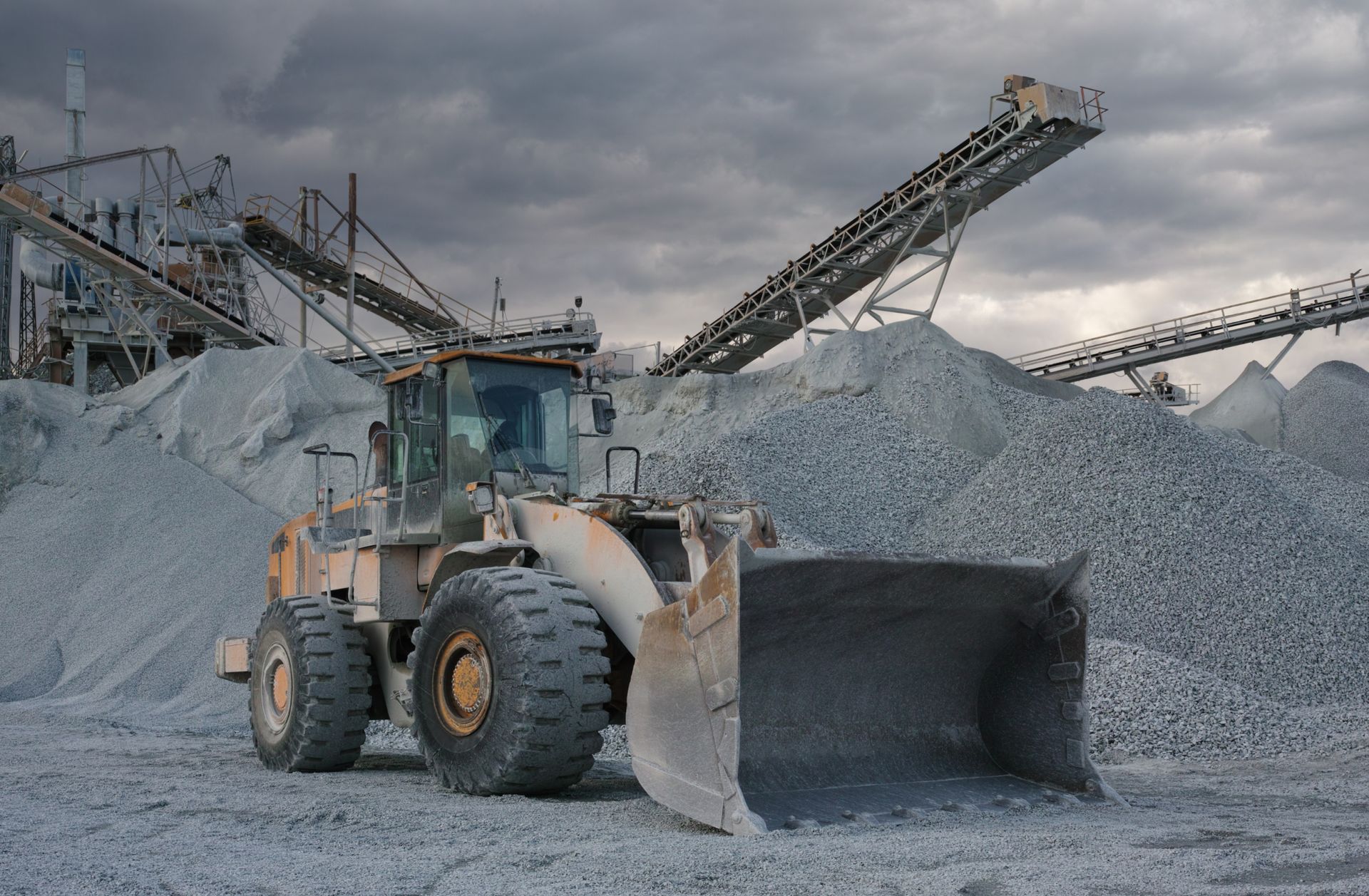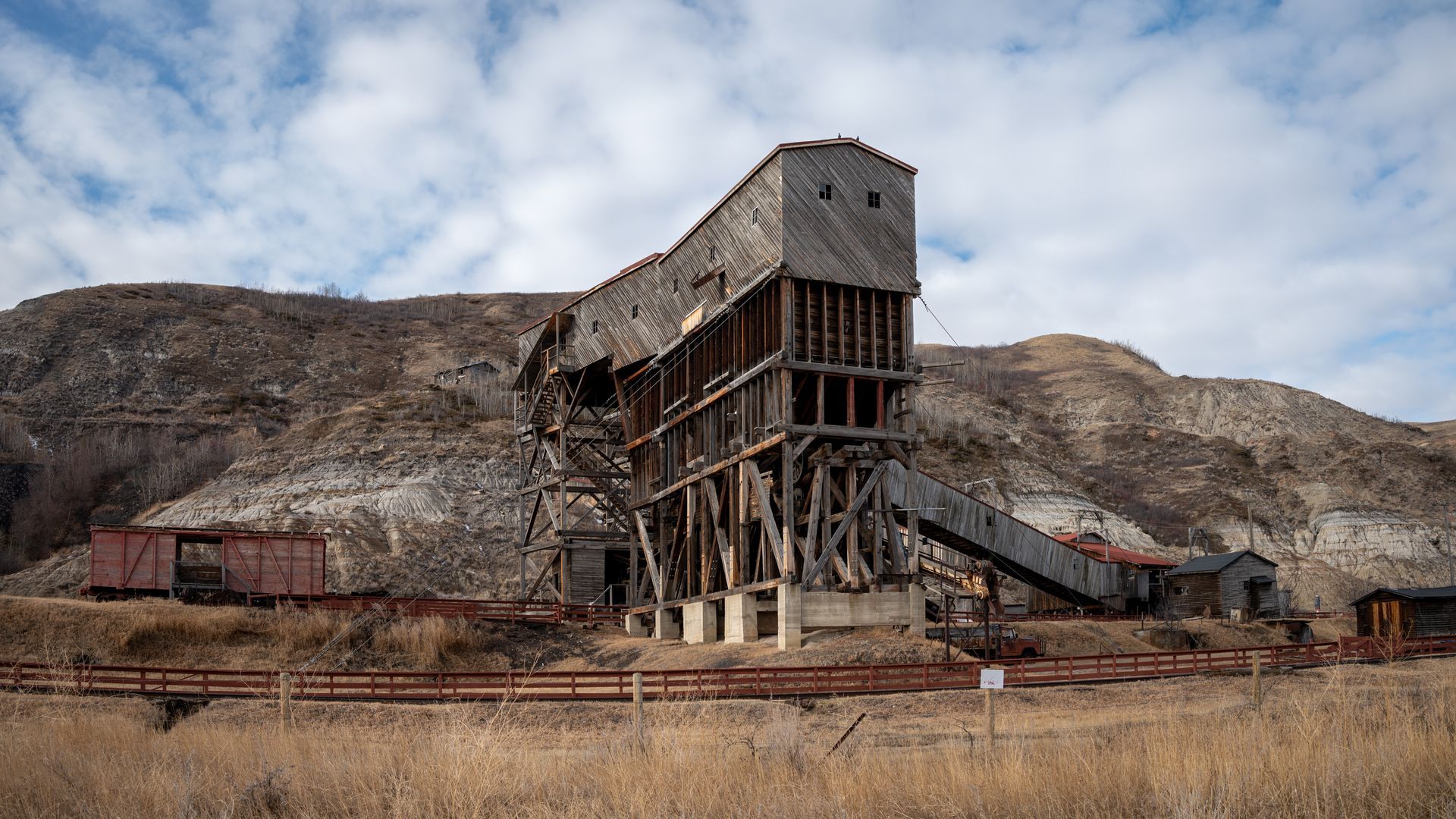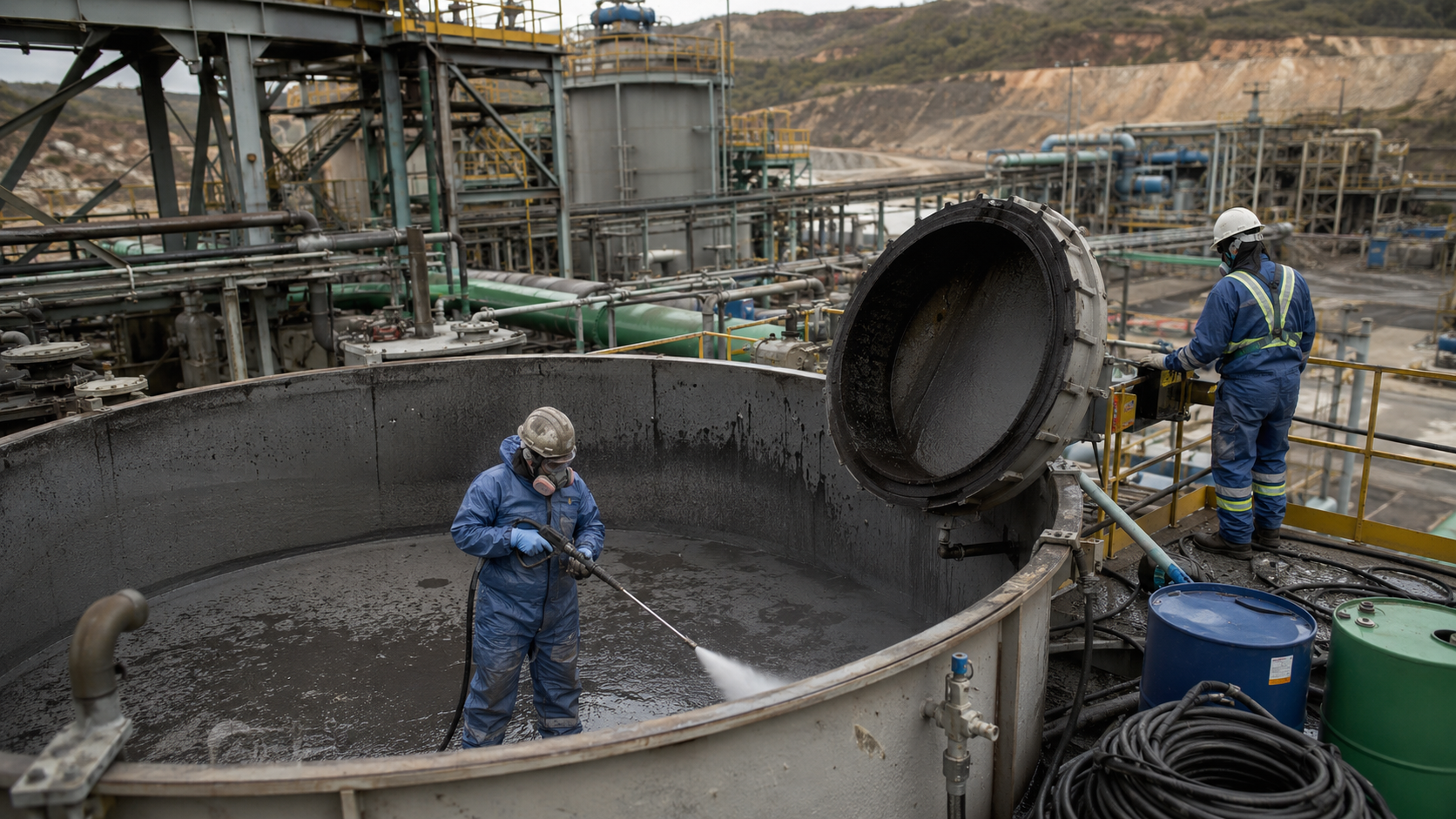
PROCESS CHEMICALS & SPENT REAGENTS
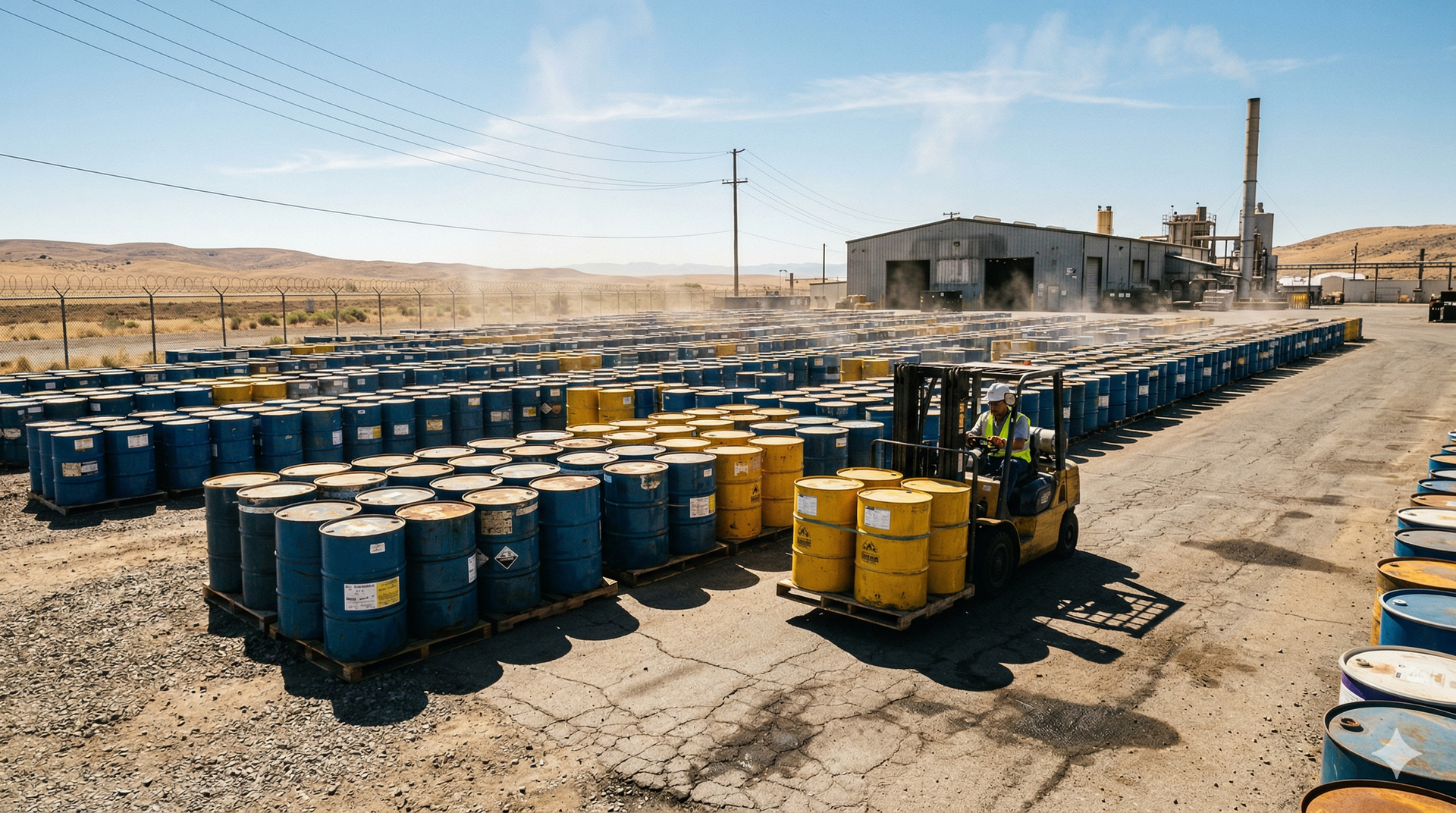
Process chemicals and spent reagents at mining operations must be evaluated through a waste determination under 40 CFR 262.11, because reagents that are not uniquely associated with extraction or beneficiation can be fully regulated hazardous waste rather than Bevill-excluded mining waste. These include spent flotation reagents, leaching chemicals, laboratory reagents, and off-spec or surplus process chemicals.
Safe Storage:
Store process chemicals and spent reagents in compatible, closed, labeled containers segregated from incompatible materials, with containment suited to the chemistry. Corrosive or reactive reagents require storage that addresses their specific hazards. Where a stream is determined hazardous, generator accumulation limits apply: 90 days for large quantity generators (40 CFR 262.17), or 180 days for small quantity generators, with 270 days only for transport of 200 miles or more (40 CFR 262.16).
Disposal Methods:
Common pathways include neutralization and treatment, recovery where the reagent can be reclaimed, thermal destruction for organic chemicals, and disposal at permitted facilities. The correct route depends on characterization and receiving facility acceptance.
What Affects Cost:
Cost is driven by the chemistry and hazard class, volume and container count, the testing required to characterize the material, packaging needs, treatment requirements, and transportation distance from often remote sites. Remote location is a notable cost factor for mining operations.
Regulatory Considerations:
Process chemicals that are not uniquely associated with the extraction, beneficiation, or processing of ores are not covered by the Bevill mining waste exclusion at 40 CFR 261.4(b)(7) and are subject to full RCRA regulation if they are listed or exhibit a characteristic under 40 CFR 261 Subparts C and D. A determination under 40 CFR 262.11 confirms the codes. Hazardous shipments are manifested under 40 CFR Part 262 Subpart B and transported under DOT rules at 49 CFR Parts 171 through 180.
CYANIDE & LEACHING SOLUTION WASTE
Cyanide and leaching solution waste from metal recovery operations may exhibit the characteristic of reactivity (D003) under 40 CFR 261.23 as a cyanide-bearing waste, and requires a waste determination before management. These include spent cyanide leach solutions, barren and pregnant solutions outside the recovery circuit, and cyanide-bearing residues that are not part of a Bevill-excluded stream.
Safe Storage:
Store cyanide and leaching solution waste in compatible, closed containers or engineered systems, kept under conditions that prevent the generation of toxic gases and segregated from acids that could trigger a release. Cyanide management requires particular care because acidification can generate hydrogen cyanide gas. Where a stream is determined hazardous, generator accumulation limits apply: 90 days for large quantity generators (40 CFR 262.17), or 180 days for small quantity generators, with 270 days only for transport of 200 miles or more (40 CFR 262.16).
Disposal Methods:
Common pathways include cyanide detoxification and treatment to destroy or neutralize cyanide, treatment to meet land disposal standards, and disposal at permitted facilities. Spent solutions are frequently treated on site to reduce cyanide before further management. The correct route depends on characterization and receiving facility acceptance.
What Affects Cost:
Cost is driven by the cyanide concentration, volume, the treatment required to detoxify the solution, any additional constituents such as dissolved metals, and transportation distance. Solutions carrying both reactivity and metal toxicity codes cost more to characterize and manage.
Regulatory Considerations:
Reactivity, including cyanide-bearing waste, is defined at 40 CFR 261.23 (D003); current determination rests on generator knowledge and the narrative reactivity criteria, as standardized numeric reactive-cyanide test methods are not in place. Reactive cyanide nonwastewaters and wastewaters carry specific treatment standards under the Land Disposal Restrictions at 40 CFR Part 268. Shipments are manifested under 40 CFR Part 262 Subpart B and transported under DOT rules at 49 CFR Parts 171 through 180.
CONTAMINATED MATERIALS & METAL-BEARING WASTE

Contaminated materials and metal-bearing waste at mining sites must be evaluated through a waste determination under 40 CFR 262.11, because materials that are not uniquely associated with extraction or beneficiation can exhibit the toxicity characteristic for metals such as lead (D008), arsenic (D004), or cadmium (D006) under 40 CFR 261.24. These include contaminated debris, spill cleanup material, certain residues, and metal-bearing waste outside the Bevill-excluded streams.
Safe Storage:
Store contaminated and metal-bearing materials in containers or roll-offs suited to the material, segregated by waste type and labeled to support characterization. Material confirmed non-hazardous through proper determination follows applicable state solid waste rules. Where a stream is determined hazardous, generator accumulation limits apply: 90 days for large quantity generators (40 CFR 262.17), or 180 days for small quantity generators, with 270 days only for transport of 200 miles or more (40 CFR 262.16).
Disposal Methods:
Common pathways include treatment and stabilization to meet land disposal standards for metal-bearing waste, metals recovery and reclamation where the metal content has value, and disposal at permitted facilities. Certain metal-bearing materials may be eligible for reclamation depending on characterization and regulatory requirements. The correct route depends on characterization and receiving facility acceptance.
What Affects Cost:
Cost is driven by the metals present and their concentrations, volume and weight, the testing required to characterize the material, treatment needed to meet land disposal standards, and transportation distance from remote sites. Materials carrying multiple toxicity codes cost more to characterize and manage.
Regulatory Considerations:
The toxicity characteristic is defined at 40 CFR 261.24 (D004 through D043). Materials uniquely associated with extraction, beneficiation, or the 20 listed mineral processing wastes may fall under the Bevill exclusion at 40 CFR 261.4(b)(7); materials outside those categories are subject to full RCRA regulation if listed or characteristic. Hazardous shipments are manifested under 40 CFR Part 262 Subpart B, subject to Land Disposal Restrictions under 40 CFR Part 268, and transported under DOT rules at 49 CFR Parts 171 through 180.
USED OIL & MAINTENANCE WASTE
Used oil and maintenance waste from mining equipment is most often managed as used oil under the management standards at 40 CFR Part 279, separate from full hazardous waste regulation as long as the oil is recycled and not mixed with hazardous waste. These include hydraulic and gear oils, engine and lubricating oils, and contaminated maintenance materials from heavy mining equipment.
Safe Storage:
Store used oil in tanks or containers in good condition, labeled "Used Oil," with measures to prevent leaks and address spills. Mixing used oil with a listed hazardous waste, or with a waste that makes the mixture exhibit a characteristic, can pull the entire volume into hazardous waste regulation, so segregation matters. Used oil managed under Part 279 is not subject to RCRA generator accumulation clocks.
Disposal Methods:
Common pathways include recycling and re-refining, energy recovery through burning for energy at permitted facilities, and management of used oil filters and oil-contaminated materials under their own rules. The correct route depends on the condition of the oil and receiving facility acceptance.
What Affects Cost:
Cost is influenced by volume, water and contaminant content, whether the oil meets used oil specifications for recycling, container and tank logistics, and transportation distance from remote sites. Remote location adds logistics cost to used oil collection at mining operations.
Regulatory Considerations:
Used oil management standards are set at 40 CFR Part 279. Used oil containing more than 1,000 ppm total halogens is presumed to be mixed with listed hazardous waste unless the presumption is rebutted under 40 CFR 279.10(b)(1)(ii). Maintenance waste that is not used oil is subject to a waste determination under 40 CFR 262.11. Transportation is subject to DOT rules under 49 CFR Parts 171 through 180.
RECOVERABLE & RECLAIMABLE MATERIALS
Recoverable and reclaimable materials at mining operations are streams that may have value rather than requiring disposal, though eligibility for reclamation depends on characterization, market acceptance, and regulatory requirements. These include certain metal-bearing materials, recoverable process residues, and solidified or hardened materials that can be reprocessed.
Safe Storage:
Stage recoverable materials in containers, roll-offs, or designated areas suited to the material, segregated to preserve recovery value and prevent cross-contamination. Materials being evaluated for reclamation should still be characterized so that, if recovery is not feasible, the correct disposal pathway is known. Where a material is determined to be a hazardous waste pending recovery, applicable storage and accumulation requirements apply.
Disposal Methods:
Common pathways include metals recovery and reclamation where the content has value, on-site processing such as size reduction for materials that can be reprocessed, industrial recycling for eligible streams, and disposal at permitted facilities for material that cannot be recovered. The correct route depends on characterization and receiving facility acceptance.
What Affects Cost:
Cost is driven by the recoverability and market value of the material, the processing required to make it usable, volume and weight, and transportation distance. Materials successfully diverted to recovery may reduce disposal costs where characterization, logistics, market acceptance, and regulatory requirements support that pathway.
Regulatory Considerations:
Whether a material is a solid waste subject to RCRA can depend on how it is recycled or reclaimed under 40 CFR 261.2 and 261.4. Materials uniquely associated with extraction, beneficiation, or the 20 listed mineral processing wastes may fall under the Bevill exclusion at 40 CFR 261.4(b)(7). Reclamation does not relieve a generator of the obligation to characterize the material, and streams determined hazardous remain subject to manifesting under 40 CFR Part 262 Subpart B and DOT rules under 49 CFR Parts 171 through 180.