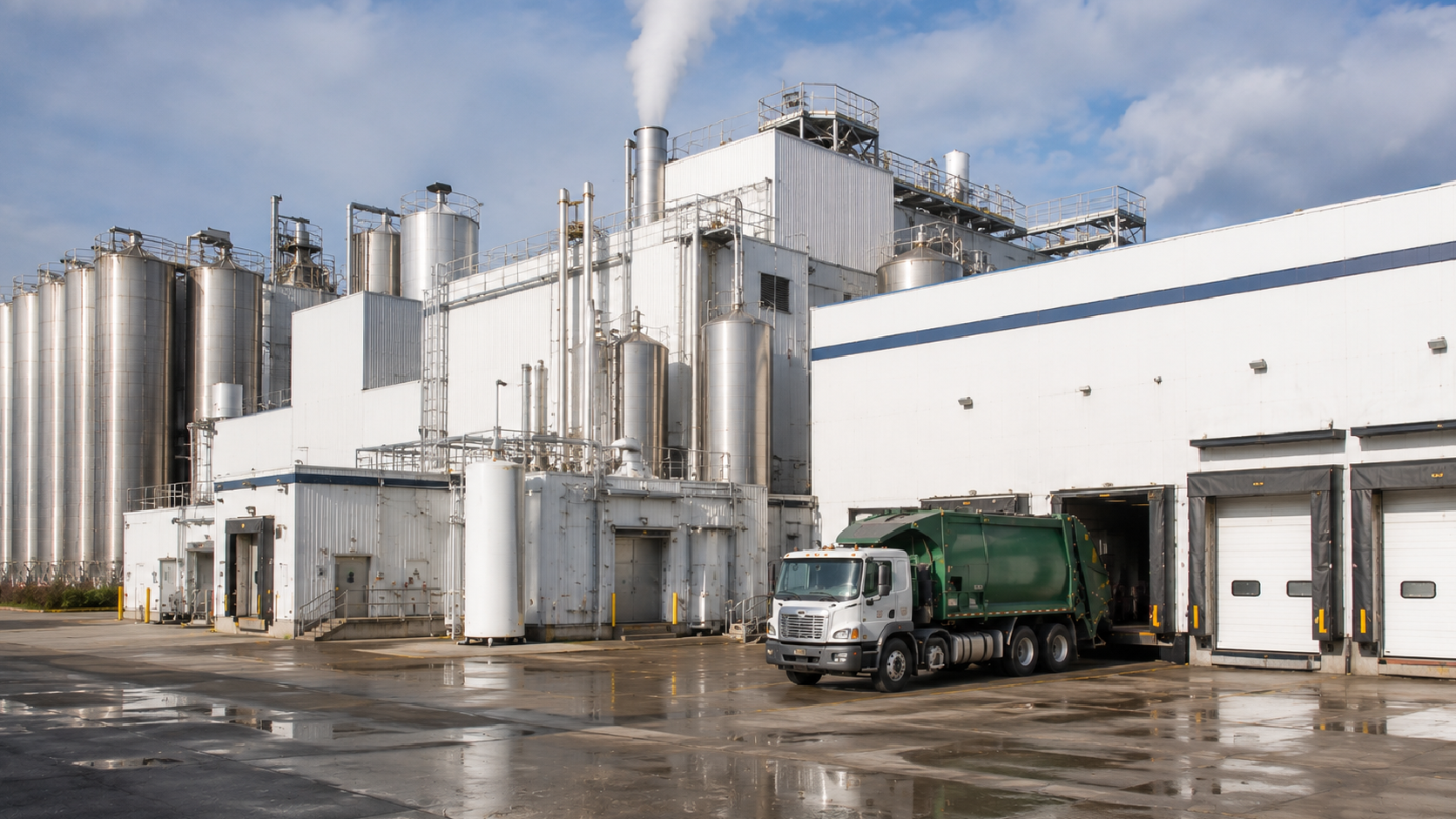
PROCESS WASTEWATER

Process wastewater from food and beverage production typically carries a high organic load and may require off-site disposal when on-site treatment capacity is exceeded or discharge limits are approached, with any discharge to a public sewer regulated under Clean Water Act pretreatment standards (40 CFR Part 403). These include wash water, rinse water, cook and process water, and equipment cleaning effluent.
Safe Storage:
Hold process wastewater in tanks or containment suited to its volume and characteristics, with measures to prevent overflow and uncontrolled release. Wastewater that is determined to be a hazardous waste, rather than a permitted discharge, is subject to RCRA storage and the generator accumulation limits of 90 days for large quantity generators (40 CFR 262.17) or 180 days for small quantity generators, with 270 days only for transport of 200 miles or more (40 CFR 262.16). Most routine food and beverage wastewater is managed under Clean Water Act authorities rather than RCRA.
Disposal Methods:
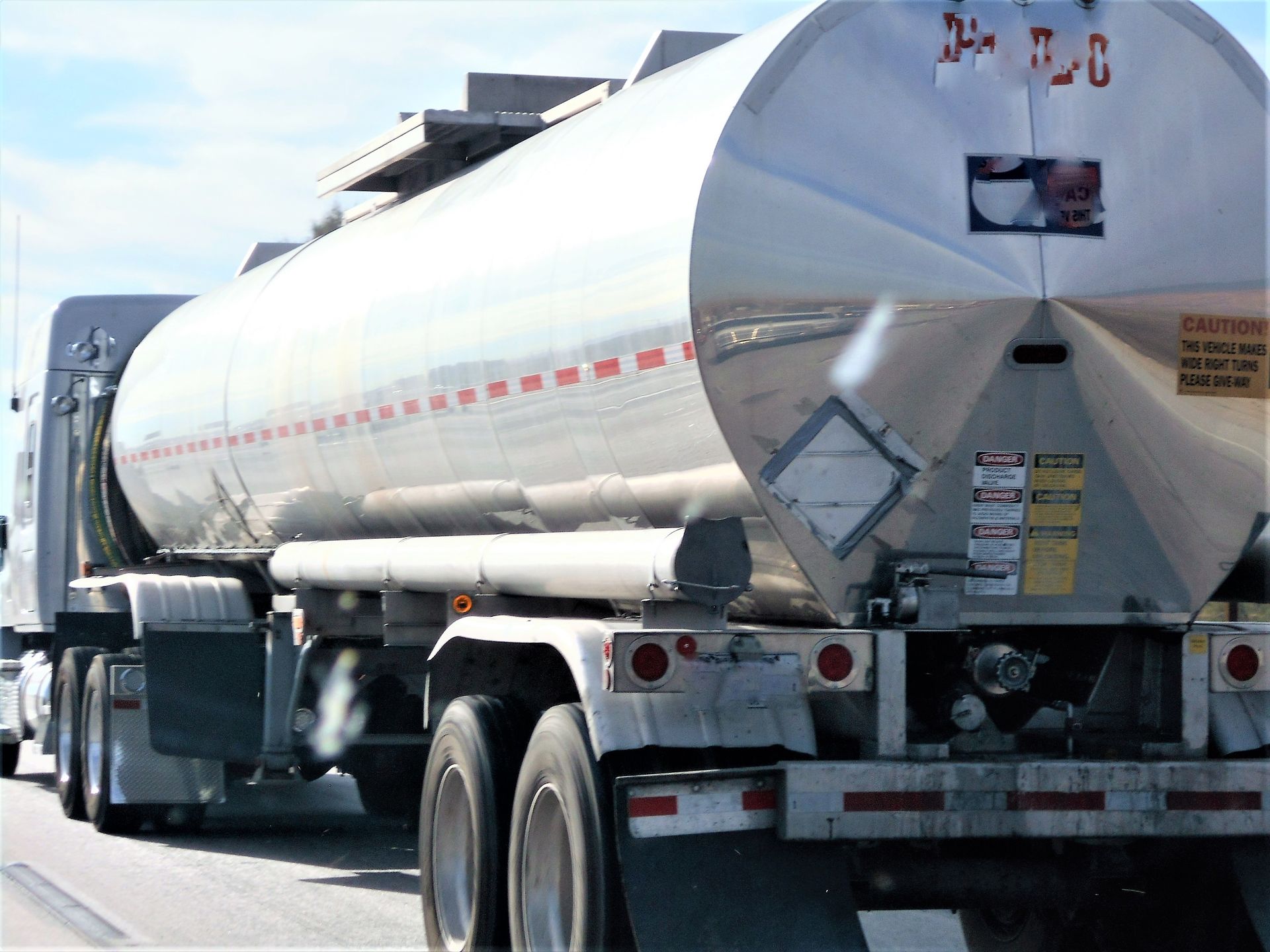
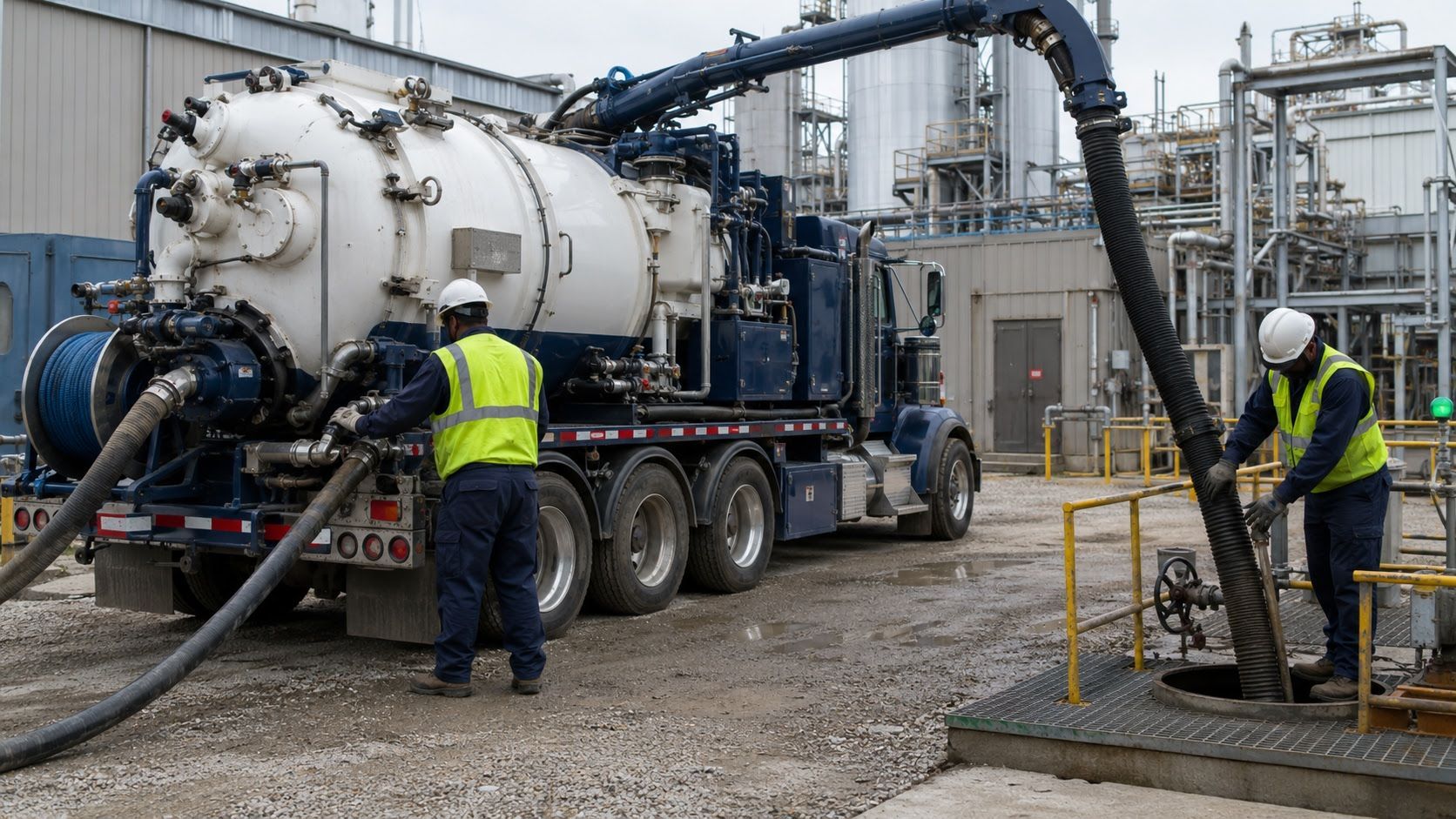
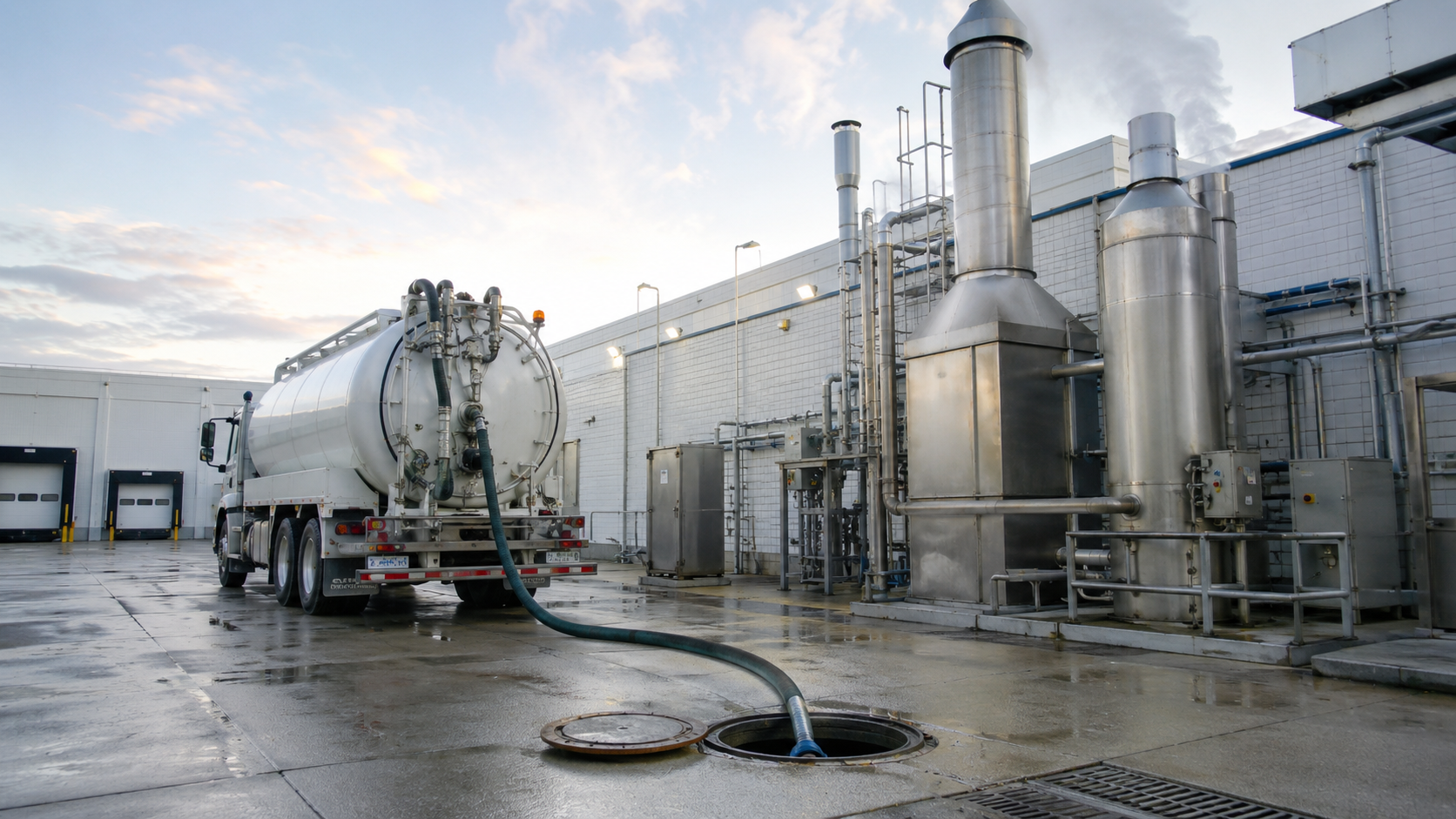
Common pathways include pretreatment and discharge to a publicly owned treatment works under local pretreatment limits, off-site transport and disposal at permitted facilities when on-site capacity is exceeded, and vacuum services for collection and hauling. The correct route depends on characterization, local limits, and receiving facility acceptance.
What Affects Cost:
Cost is driven by volume, organic and solids load, whether pretreatment is required before discharge, the need for off-site hauling when capacity is exceeded, and transportation distance. Surcharges tied to high-strength wastewater can also affect overall cost.
Regulatory Considerations:
Discharges of process wastewater to a public sewer are subject to the national pretreatment program at 40 CFR Part 403, including the general and specific prohibitions at 40 CFR 403.5 and any local limits set by the treatment works. Wastewater determined to be hazardous under 40 CFR 262.11 is instead managed under RCRA, with manifesting under 40 CFR Part 262 Subpart B and DOT rules under 49 CFR Parts 171 through 180.
LAGOON SLUDGE & ORGANIC RESIDUALS
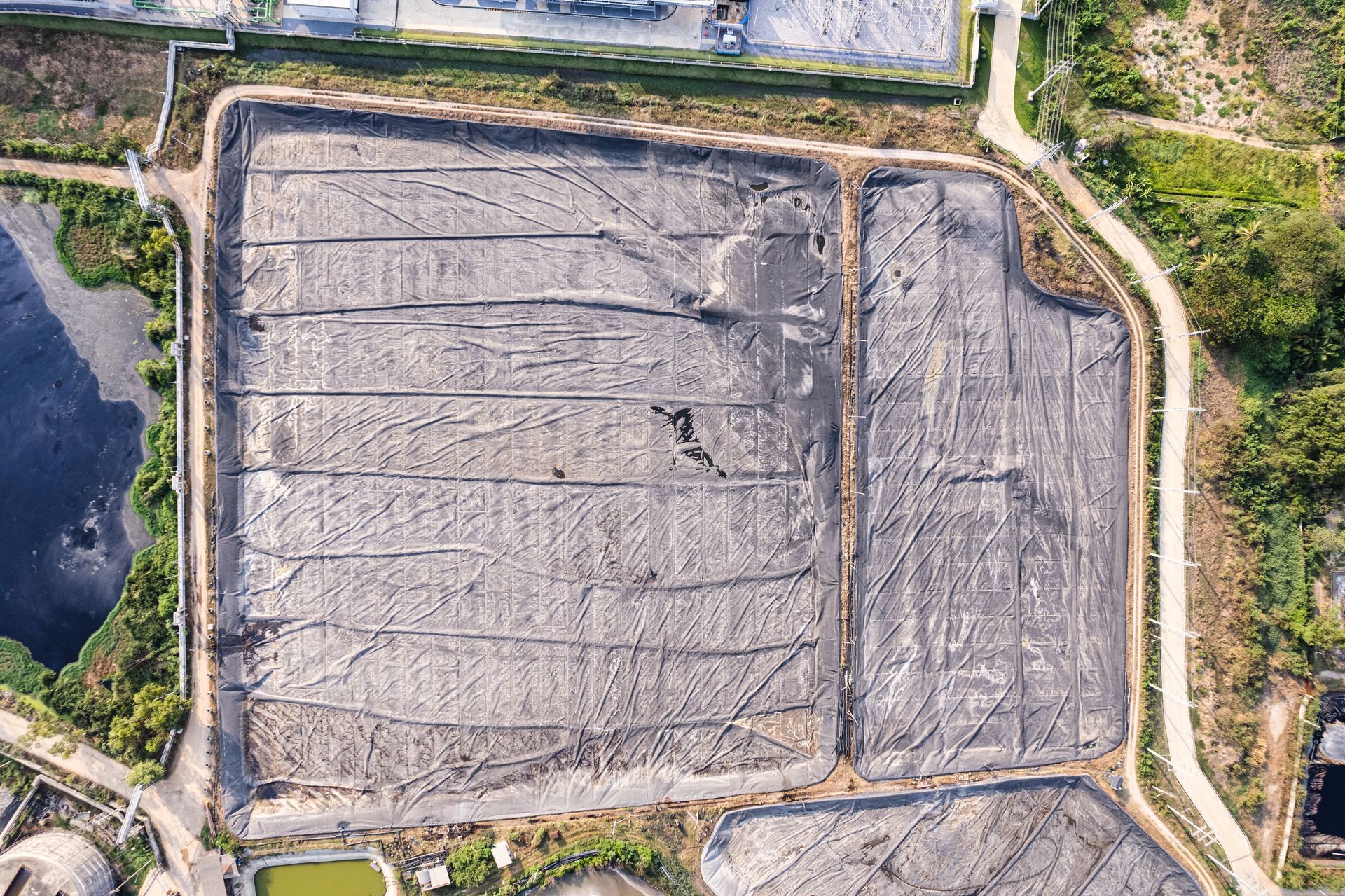
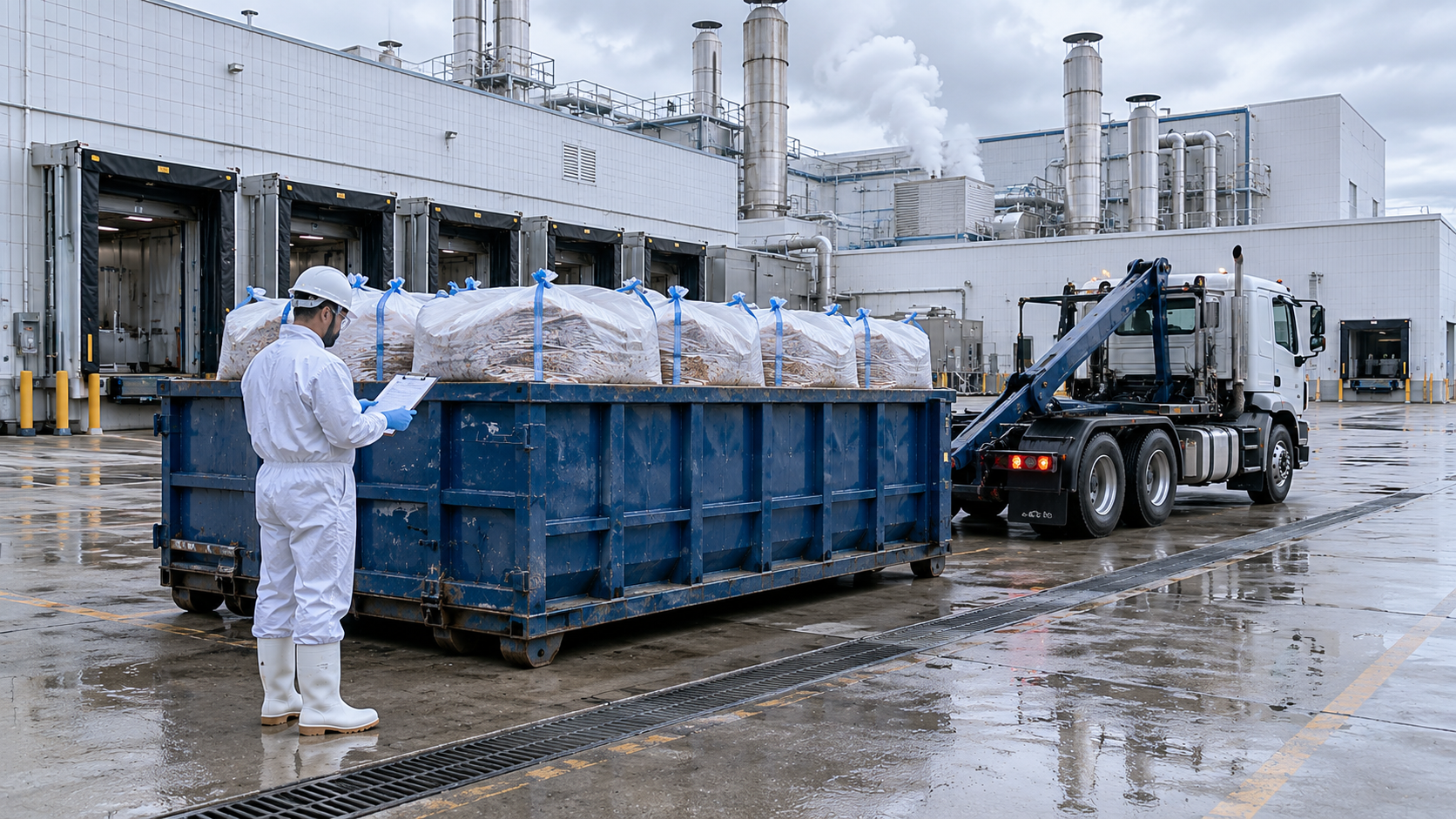
Lagoon sludge and organic residuals from food and beverage wastewater systems accumulate over years of operation and must be evaluated through a waste determination under 40 CFR 262.11, though these organic solids are frequently non-hazardous once characterized. These build up in treatment lagoons, settling ponds, clarifiers, and dissolved air flotation systems.
Safe Storage:
Manage accumulating sludge within the lagoon or system until removal, and stage removed material in containers, roll-offs, or dewatering equipment suited to its moisture content. Sludge confirmed non-hazardous through proper determination follows applicable state solid waste handling rules. Where a sludge is determined hazardous, generator accumulation limits apply: 90 days for large quantity generators (40 CFR 262.17), or 180 days for small quantity generators, with 270 days only for transport of 200 miles or more (40 CFR 262.16).
Disposal Methods:
Common pathways include on-site sludge removal, dewatering, and solidification to reduce free liquids, land application or composting where allowed for eligible organic residuals, and disposal at permitted facilities. U.S. Waste Industries performs lagoon cleanouts and on-site solidification for large-volume systems. The correct route depends on characterization and receiving facility acceptance.
What Affects Cost:
Cost is driven by volume and weight, moisture and free liquid content, dewatering or solidification needs, whether the material qualifies for beneficial reuse, transportation distance, and the disposal method. Deferred cleanouts that allow sludge to deepen can increase the volume and cost of eventual removal.
Regulatory Considerations:
A waste determination under 40 CFR 262.11 establishes whether sludge is hazardous or non-hazardous, which may turn on a toxicity characteristic (D004 through D043) under 40 CFR 261.24. Land application of organic residuals may be subject to federal, state, or local requirements; where the material qualifies as sewage sludge or biosolids, the requirements of 40 CFR Part 503 may apply. Bulk or non-containerized liquid hazardous waste, and hazardous waste containing free liquids, may not be placed in a landfill under 40 CFR 262.35; additional requirements may apply before disposal in hazardous waste landfills.
FATS, OILS & GREASE (FOG)
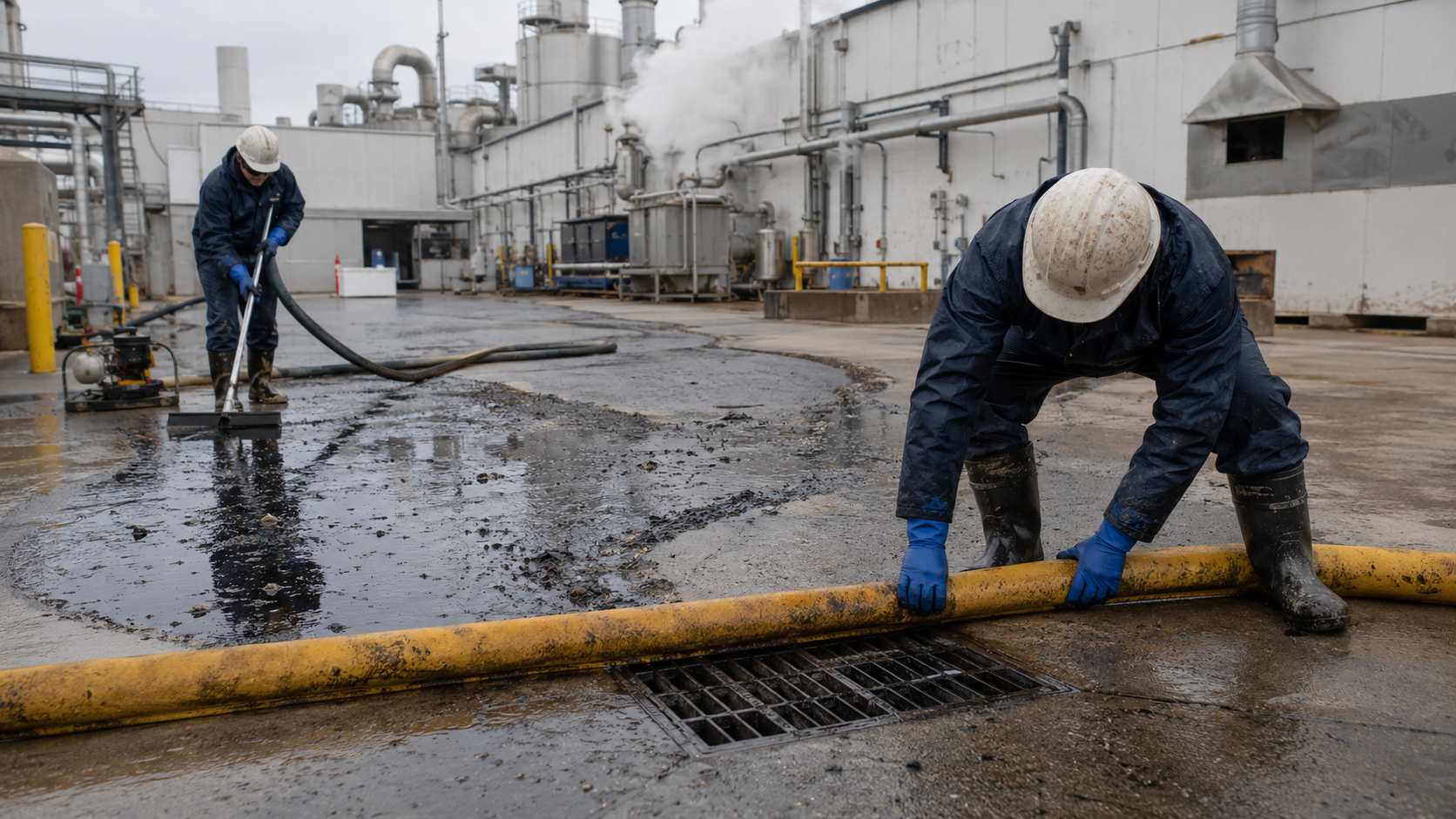
Fats, oils, and grease (FOG) from food and beverage operations are regulated when discharged to a public sewer because 40 CFR 403.5(b)(3) prohibits solid or viscous pollutants in amounts that obstruct flow and cause interference at the treatment works. These collect in grease traps, interceptors, and separators serving production, processing, and kitchen areas.
Safe Storage:
Maintain grease traps and interceptors on a schedule that prevents overflow and carryover into the sewer, and stage collected FOG in containers or tanks suited to the material pending removal. Proper interceptor sizing and maintenance frequency reduce the risk of obstruction and interference. FOG that is not a hazardous waste is managed under Clean Water Act and local pretreatment authorities rather than RCRA.
Disposal Methods:
Common pathways include vacuum collection and hauling of trap and interceptor waste, rendering or recycling of recoverable grease where accepted, and disposal at permitted facilities. Recoverable FOG may be eligible for beneficial reuse depending on its characteristics and market acceptance. The correct route depends on the material and receiving facility acceptance.
What Affects Cost:
Cost is driven by the volume and frequency of collection, the recoverability of the grease, vacuum service and hauling logistics, and transportation distance. Facilities that maintain interceptors on a regular schedule generally avoid the higher costs of emergency cleanouts and blockages.
Regulatory Considerations:
FOG discharges to a public sewer are subject to the national pretreatment program at 40 CFR Part 403, specifically the prohibition on flow-obstructing solid or viscous pollutants at 40 CFR 403.5(b)(3), and to local limits and best management practices set by the treatment works. FOG determined to be a hazardous waste under 40 CFR 262.11 would instead be managed under RCRA.
CLEANING & SANITATION CHEMICALS
Cleaning and sanitation chemicals used in clean-in-place (CIP) systems are often strong caustics or acids that can exhibit the characteristic of corrosivity (D002) under 40 CFR 261.22 when an aqueous waste has a pH less than or equal to 2 or greater than or equal to 12.5. These include spent caustic and acid wash solutions, sanitizers, and concentrated cleaning chemical waste.
Safe Storage:
Store spent cleaning chemicals in containers and secondary containment made of materials resistant to the specific acid or base, kept separate from incompatible wastes that could react if mixed. Spent CIP solutions are often neutralized within the wastewater system where permit conditions, pH limits, and local pretreatment limits allow, while concentrated or off-spec chemicals may require separate management. Where a stream is determined hazardous, generator limits apply: 90 days for large quantity generators (40 CFR 262.17), or 180 days for small quantity generators, with 270 days only for transport of 200 miles or more (40 CFR 262.16).
Disposal Methods:
Common pathways include neutralization and treatment, recovery where the chemical can be reclaimed, and disposal at permitted facilities for material that is determined hazardous. Management of spent CIP chemistry through the facility's wastewater treatment depends on pretreatment approval, permit conditions, and local limits. The correct route depends on characterization and receiving facility acceptance.
What Affects Cost:
Cost is driven by volume, the strength and type of acid or base, any dissolved constituents that trigger additional codes, container and transport requirements for corrosive material, and the treatment method. Concentrated chemical waste managed separately from the wastewater system generally costs more than neutralized in-system streams.
Regulatory Considerations:
Corrosivity is defined at 40 CFR 261.22 (D002). Discharges to a public sewer are subject to the pretreatment program at 40 CFR Part 403, including the prohibition on discharges with a pH lower than 5.0 that cause corrosive structural damage at 40 CFR 403.5(b)(2), and to permit conditions and local limits set by the treatment works. Material determined hazardous under 40 CFR 262.11 is manifested under 40 CFR Part 262 Subpart B and transported under DOT rules at 49 CFR Parts 171 through 180.
NON-HAZARDOUS PROCESS & ORGANIC BYPRODUCTS

Non-hazardous process and organic byproducts from food and beverage production must be evaluated through a waste determination under 40 CFR 262.11 before being managed as non-hazardous, after which many are suitable for recycling, beneficial reuse, or disposal at permitted facilities. These include off-spec product, spent filter media, organic solids, and production byproducts.
Safe Storage:
Store these streams in containers, roll-offs, or tanks suited to the material, with documentation that supports the waste determination and any beneficial reuse pathway. Material confirmed non-hazardous follows applicable state solid waste handling rules; material that has not been determined should be managed as potentially hazardous until characterized.
Disposal Methods:
Common pathways include recycling and beneficial reuse such as animal feed or composting where allowed, disposal at permitted landfills or treatment facilities for confirmed non-hazardous material, and industrial recycling for eligible byproducts. Certain organic byproducts may be eligible for reuse depending on characterization and market acceptance. Routing depends on characterization and receiving facility acceptance.
What Affects Cost:
Cost is driven by volume and weight, moisture content, whether the material qualifies for beneficial reuse or recycling, the testing required to support the waste determination, and transportation distance. Streams diverted to beneficial reuse generally cost less to manage than those sent to disposal.
Regulatory Considerations:
A waste determination under 40 CFR 262.11 is required before any process or organic byproduct is managed as non-hazardous. Beneficial reuse pathways such as animal feed and land application are subject to additional federal, state, or local requirements, including FDA and state agriculture rules in some cases. Streams determined hazardous remain subject to manifesting under 40 CFR Part 262 Subpart B and DOT rules under 49 CFR Parts 171 through 180.

Do we still hold liability if you handle our waste?
For hazardous waste, yes. Under RCRA, generators retain cradle-to-grave responsibility, and no vendor can take that away. Much of food and beverage waste is non-hazardous, and wastewater and grease discharges to a public sewer are usually governed by Clean Water Act pretreatment rules and local limits rather than RCRA hazardous waste rules, unless the material is determined to be hazardous waste or managed outside an authorized discharge pathway. What the right partner does is reduce your risk across all of it: proper characterization support, documentation, qualified transportation, and routing to appropriate facilities, all documented and traceable.
What documentation do we get for audits and inspections?
You receive the records that fit each stream: manifests where required, waste profiles, disposal or treatment documentation for regulated waste, and collection and transport records for wastewater, grease, and non-hazardous material. Food and beverage facilities answer to environmental, food safety, and wastewater authorities at once, so we keep documentation organized and retrievable across all of it rather than scattered among separate vendors.
Is our wastewater and grease handled differently than waste?
Often, yes. Process wastewater and grease discharged to a public sewer are usually managed under Clean Water Act pretreatment rules and local discharge limits, not the hazardous waste system, unless the material is determined hazardous or managed outside an authorized discharge pathway, while solid and chemical streams follow their own paths. We coordinate collection, vacuum service, and disposal for the wastewater and grease side and keep it documented alongside your other streams, so the whole picture stays in one place.
What happens if we have an after-hours emergency?
Real people answer our emergency line 24/7, not a ticket queue or an automated system. For spills, releases, and chemical or waste-related incidents, we provide rapid-response capability and clear dispatch procedures so the right help is moving quickly. Once you are a client, you also have a dedicated rep who knows your facility, which means faster coordination when something cannot wait. Emergency hotline: 800-727-9796.
Can you work around our production and sanitation windows?
Production rarely stops, so waste removal has to fit your runs and sanitation schedules rather than interrupt them. We set collection and service timing around your operating windows, and your dedicated rep tracks the schedule so wastewater, grease, and process waste are coordinated to help minimize downtime. Where volume shifts with production, we can adjust timing where scheduling, transportation, and facility acceptance allow.
Can you really cover us nationwide, or do you hand us off?
You stay with us. We coordinate your waste streams nationwide through one account and one point of contact, drawing on regional partners and disposal networks where it makes sense for logistics. The difference from a broker is accountability: you are not passed to a call center or a stranger mid-project. The team you start with manages the work through completion and remains accountable for coordination.