SPENT SOLVENTS & DEGREASERS
Spent solvents and degreasers from manufacturing are commonly regulated as listed hazardous waste under EPA codes F001 through F005 (40 CFR 261.31) when they meet the listing description, and many also exhibit the characteristic of ignitability (D001, 40 CFR 261.21). These come from parts washing, surface preparation, equipment cleaning, and maintenance operations.
Safe Storage:
Store spent solvents in closed, compatible containers kept away from ignition sources, with each container labeled and dated when accumulation begins. Parts washer solvent and degreasers should be segregated from incompatible wastes. Accumulation must stay within generator time limits: 90 days for large quantity generators (40 CFR 262.17), or 180 days for small quantity generators, extended to 270 days only when the waste is transported 200 miles or more for treatment or disposal (40 CFR 262.16).
Disposal Methods:
Common pathways include solvent reclamation through distillation, fuel blending or energy recovery where accepted, and thermal destruction at permitted incineration facilities for streams that cannot be recovered. Many manufacturing solvents are good candidates for recovery, which can reduce disposal volume. Routing depends on characterization and receiving facility acceptance.
What Affects Cost:
Cost is driven by volume, the waste codes assigned during profiling, water and contaminant content, container size and count, whether the stream qualifies for recovery, and transportation distance. Solvents subject to Land Disposal Restrictions under 40 CFR Part 268 may require treatment to specific standards before disposal.
Regulatory Considerations:
Spent solvents listed under 40 CFR 261.31 are subject to RCRA generator requirements, manifesting under 40 CFR Part 262 Subpart B, DOT transportation rules under 49 CFR Parts 171 through 180, and Land Disposal Restrictions under 40 CFR Part 268. A waste determination under 40 CFR 262.11 confirms the applicable codes before shipment.
WASTE OILS & LUBRICANTS
Waste oils and lubricants from manufacturing are most often managed as used oil under the management standards at 40 CFR Part 279, which are separate from full hazardous waste regulation as long as the oil is recycled and not mixed with hazardous waste. These include hydraulic oil, gear oil, cutting and machine lubricants, and used motor oil.
Safe Storage:
Store used oil in tanks or containers in good condition, labeled "Used Oil," with measures in place to prevent leaks and address any spills. Mixing used oil with a listed hazardous waste, or with a waste that makes the mixture exhibit a characteristic such as ignitability, can pull the entire volume into hazardous waste regulation, so segregation matters. Used oil managed under Part 279 is not subject to RCRA generator accumulation clocks, but any hazardous waste it becomes through mixing falls under the 90-day (40 CFR 262.17) or 180-day / 270-day (40 CFR 262.16) limits.
Disposal Methods:
Common pathways include recycling and re-refining, and energy recovery through burning for energy at permitted facilities. Used oil filters and oil-contaminated materials follow their own management rules. The correct route depends on the condition of the oil and receiving facility acceptance.
What Affects Cost:
Cost is influenced by volume, water and contaminant content, whether the oil meets used oil specifications for recycling, container and tank logistics, and transportation distance. Used oil contaminated above used-oil regulatory thresholds for certain constituents may need to be managed as hazardous waste, which increases cost.
Regulatory Considerations:
Used oil management standards are set at 40 CFR Part 279. Used oil containing more than 1,000 ppm total halogens is presumed to be mixed with listed hazardous waste unless the generator rebuts the presumption under 40 CFR 279.10(b)(1)(ii). Mixtures that exhibit ignitability fall under 40 CFR 261.21. Transportation is subject to DOT rules under 49 CFR Parts 171 through 180.
METALWORKING FLUIDS & METAL-BEARING SLUDGE

Metalworking fluids and metal-bearing sludge require a waste determination because they frequently exhibit the toxicity characteristic for metals such as chromium (D007), lead (D008), or cadmium (D006) under 40 CFR 261.24. These include spent coolants, machining fluids, grinding swarf, and sludge from metal finishing and plating operations.
Safe Storage:
Store metalworking fluids and metal-bearing sludge in compatible, labeled containers or tanks with containment, segregated from incompatible streams. Electroplating wastewater treatment sludge that meets the F006 listing has specific handling considerations. Hazardous metal-bearing streams are subject to generator accumulation limits: 90 days for large quantity generators (40 CFR 262.17), or 180 days for small quantity generators, with 270 days applying only for transport of 200 miles or more (40 CFR 262.16).
Disposal Methods:
Common pathways include metals recovery and reclamation where the metal content has value, treatment and stabilization to meet land disposal standards, and disposal at permitted facilities. Spent fluids may be processed to separate water, oil, and solids. Routing depends on metal content, characterization, and receiving facility acceptance.
What Affects Cost:
Cost is driven by the metals present and their concentrations, volume and physical form, whether the stream qualifies for metals recovery, treatment required to meet land disposal standards, and transportation distance. Streams carrying multiple toxicity codes cost more to characterize and manage.
Regulatory Considerations:
The toxicity characteristic is defined at 40 CFR 261.24 (D004 through D043). Certain F006 wastewater treatment sludges from electroplating operations may qualify for extended accumulation (up to 180 days, or up to 270 days when transported 200 miles or more for off-site metals recovery) when legitimately recycled through metals recovery and all conditions in 40 CFR 262.17 are met. Land Disposal Restrictions under 40 CFR Part 268 commonly require treatment of metal-bearing waste before disposal. Shipments require manifesting under 40 CFR Part 262 Subpart B.
INDUSTRIAL & WASTEWATER TREATMENT SLUDGE
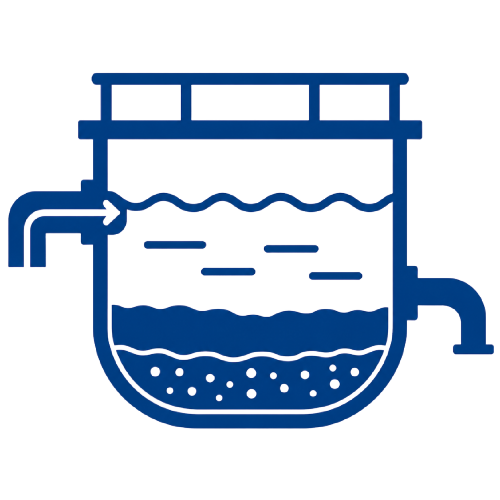
Industrial and wastewater treatment sludge from manufacturing ranges from hazardous to non-hazardous depending on the constituents present, and each load requires a waste determination under 40 CFR 262.11 before disposal. These include wastewater treatment plant sludge, clarifier and settling tank solids, and filter press cake.
Safe Storage:
Store sludge in containers, roll-offs, or tanks matched to moisture content and constituents, with labeling and dating that supports later characterization and manifesting. Sludge that meets a hazardous waste definition is subject to generator accumulation limits: 90 days for large quantity generators (40 CFR 262.17), or 180 days for small quantity generators, with 270 days only for transport of 200 miles or more (40 CFR 262.16). Sludge confirmed non-hazardous through proper determination follows applicable state solid waste rules.
Disposal Methods:
Common pathways include dewatering and solidification to reduce free liquids, treatment to meet land disposal standards, disposal at permitted landfills for non-hazardous or treated material, and incineration for organic-bearing hazardous sludge. U.S. Waste Industries performs on-site sludge removal, dewatering, and solidification for lagoons, ponds, and tanks where volume is significant. Routing depends on characterization and receiving facility acceptance.
What Affects Cost:
Cost is driven by volume and weight, moisture and free liquid content, the constituents that determine hazardous versus non-hazardous status, dewatering or solidification needs, transportation distance, and the disposal or treatment method required. Sludge that fails a toxicity characteristic test carries higher management cost than non-hazardous material.
Regulatory Considerations:
Sludge may meet a toxicity characteristic (D004 through D043) under 40 CFR 261.24 or a listing under 40 CFR 261.31 or 261.32. Hazardous sludge is subject to manifesting under 40 CFR Part 262 Subpart B, Land Disposal Restrictions under 40 CFR Part 268, and DOT rules under 49 CFR Parts 171 through 180. Bulk or non-containerized liquid hazardous waste, and hazardous waste containing free liquids, may not be placed in a landfill under 40 CFR 262.35; additional requirements may apply before disposal in hazardous waste landfills.
CONTAMINATED ABSORBENTS, RAGS & FILTERS
Contaminated absorbents, rags, and filters may carry the hazardous waste codes of whatever contaminated them, depending on the contaminant, waste status, and applicable RCRA rules or policies. These include absorbent pads, shop rags, spent filters, and personal protective equipment from production and maintenance.
Safe Storage:
Store contaminated absorbents, rags, and filters in closed, labeled containers segregated by the contaminating waste type, kept away from ignition sources when the contaminant is ignitable. When these materials take on the codes of the contaminant, accumulation limits follow the contaminant's status: 90 days for large quantity generators (40 CFR 262.17), or 180 days for small quantity generators, with 270 days only for transport of 200 miles or more (40 CFR 262.16). Solvent-laden rags may qualify for the conditional exclusion for solvent-contaminated wipes when its conditions are met.
Disposal Methods:
Common pathways include incineration for material contaminated with organic hazardous waste, laundering or recovery for wipes managed under the conditional exclusion, and treatment to meet debris standards before land disposal where applicable. The correct pathway depends on the contaminant and receiving facility acceptance.
What Affects Cost:
Cost is driven by volume and weight, the codes inherited from the contaminating waste, container count and packaging, transportation distance, and the treatment standard required before disposal. Material contaminated with listed waste generally costs more to manage than material contaminated only with a characteristic waste.
Regulatory Considerations:
Contaminated absorbents and debris may be governed by the contained-in policy and derived-from rule, with alternative treatment standards for hazardous debris under 40 CFR Part 268. Applicable codes follow the contaminant, whether listed under 40 CFR 261.31 through 261.33 or characteristic under 40 CFR 261.21 through 261.24. Solvent-contaminated wipes have a conditional exclusion under 40 CFR 261.4(a)(26) and 261.4(b)(18). The exclusion is conditional and generally requires closed, non-leaking containers labeled "Excluded Solvent-Contaminated Wipes," no free liquids at shipment, required records, and compliance with the 180-day accumulation limit. Shipments of non-excluded material require manifesting under 40 CFR Part 262 Subpart B and DOT compliance under 49 CFR Parts 171 through 180.




Do we still hold liability if you handle our waste?
Yes. Under RCRA, generators retain cradle-to-grave responsibility for their hazardous waste, and no vendor can take that away. What the right partner does is reduce your risk along the way: accurate waste characterization support, proper manifesting, qualified transportation, and routing to authorized receiving facilities, all documented so your records hold up under inspection. We work to keep that chain documented and traceable from your dock to final disposition.
Can waste we currently throw away be recycled instead?
In many cases, depending on the stream. Some manufacturing materials that get sent to disposal may be eligible for recycling or recovery once characterized, which can reduce disposal volume and may reduce cost where markets, logistics, and regulations support it. We help evaluate which of your streams qualify and coordinate the recovery pathway where markets and regulations support it. It is worth reviewing before defaulting everything to disposal.
What documentation do we get for audits and inspections?
You receive the records that support an inspection-ready file: manifests, waste profiles, land disposal restriction notices where applicable, and disposal or treatment documentation appropriate to each waste stream. Inspections focus heavily on manifest accuracy and disposal records, especially when waste is split across vendors, so we keep documentation organized and retrievable. The goal is that when an auditor asks where a stream went, the paper trail answers.
Can you keep up with our regular pickup schedule?
Recurring volume is the core of manufacturing waste, so predictable service matters more than a one-time job. We set up regular collection around your production and accumulation needs, and your dedicated rep tracks the schedule so storage areas keep moving and your team has support managing accumulation limits. If volume changes with a production run, we can adjust the cadence where scheduling, characterization, transportation, and facility acceptance allow.
Can you really cover us nationwide, or do you hand us off?
You stay with us. We coordinate your waste streams nationwide through one account and one point of contact, drawing on regional partners and disposal networks where it makes sense for logistics. The difference from a broker is accountability: you are not passed to a call center or a stranger mid-project. The team you start with manages the work through completion and remains accountable for coordination.
What happens if we have an after-hours emergency?
Real people answer our emergency line 24/7, not a ticket queue or an automated system. For spills, releases, and chemical or waste-related incidents on the floor, we provide rapid-response capability and clear dispatch procedures so the right help is moving quickly. Once you are a client, you also have a dedicated rep who knows your facility, which means less explaining and faster coordination when something cannot wait. Emergency hotline: 800-727-9796.