NATIONWIDE HAZARDOUS WASTE SERVICES
Hazardous Waste Profiling, Packaging, Pickup, Transportation, & Disposal.
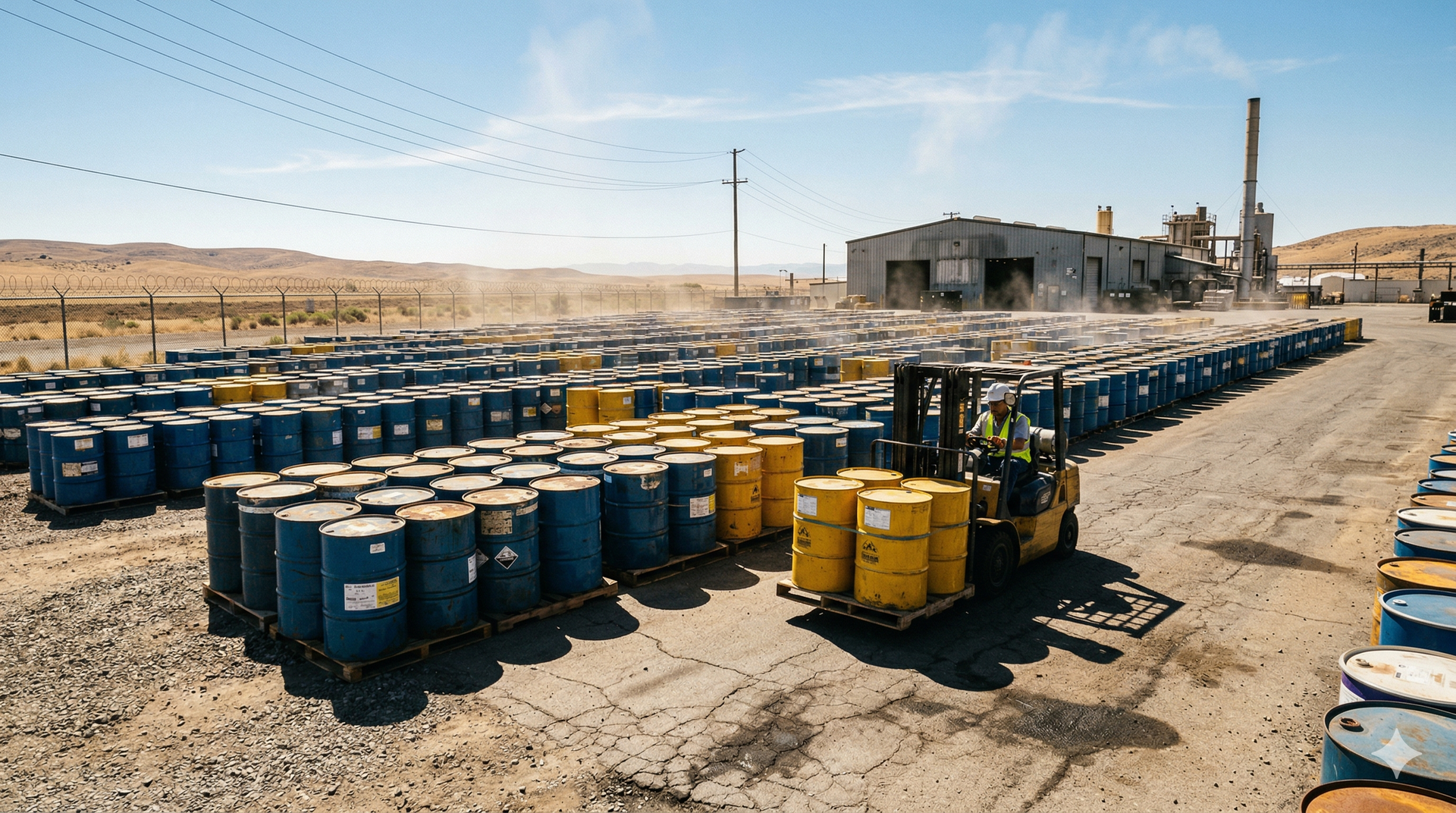
For manufacturers, chemical processors, and labs needing routine service, one-time cleanouts, or emergency response from a single vendor with cradle-to-grave documentation.
Hazardous Waste Service Steps
Waste profiling & characterization
Packaging, labeling & container prep
Drum, bulk & lab pack removal
Transportation to authorized facilities
Hazardous waste treatment & disposal
Manifests & Certificates of Disposal
Request Your Hazardous Waste Quote
NATIONWIDE SERVICES
Industrial Lagoon Cleanout & Sludge Removal
Compliance you can count on. Sludge solidification, disposal, and audit-ready documentation, handled by one accountable team nationwide.
Call 1 800-669-9552
U.S. Waste Industries, Inc.
Industrial Lagoon Cleaning That Extends Cleanout Intervals from 5 Years to 15+ Years
Proprietary polymer solidification removes 100% of accumulated sludge in a single cleaning cycle—eliminating the costly cycle of surface dredging that leaves material behind and forces frequent re-cleaning.
Learn About Pond and Lagoon Cleanouts and Maintenance
NATIONWIDE SERVICE • REAL PEOPLE 24/7 EMERGENCY RESPONSE • 25+ YEARS • ZERO VIOLATIONS • OSHA HAZWOPER-TRAINED • DOT APPROVED • $21M INSURED
What Is Industrial Lagoon Cleaning
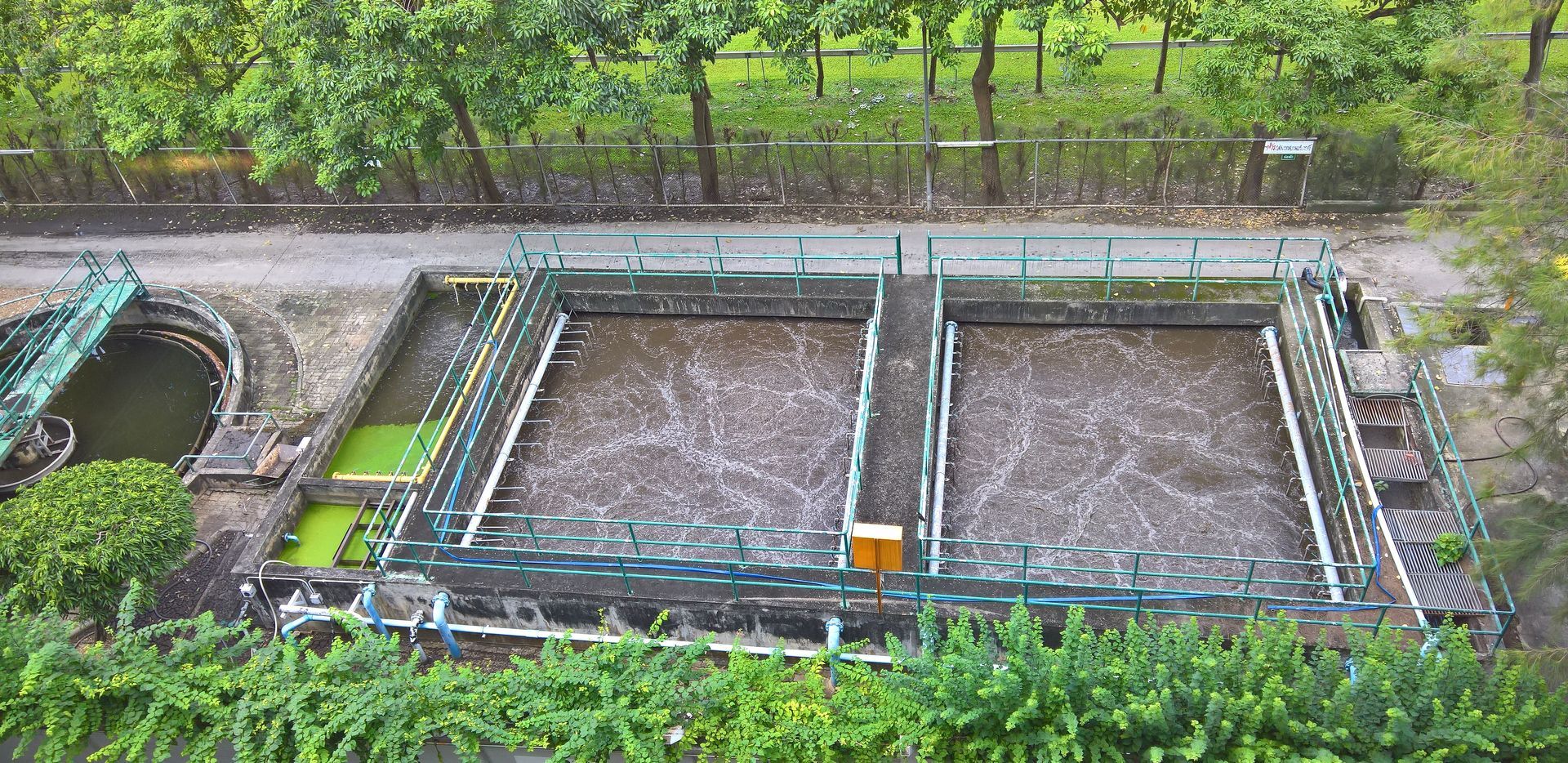
Industrial lagoon cleaning removes accumulated sludge, sediment, and wastewater residues from industrial treatment lagoons, settling basins, and surface impoundments. Your facility's wastewater treatment operations generate sludge from biological processes, chemical precipitation, or physical settling—typically accumulating 2-6 inches per year depending on influent characteristics and treatment processes.
Without regular cleaning, your lagoons lose treatment capacity, violate NPDES permit discharge limits, risk liner failure and groundwater contamination, and face EPA inspection violations. Lagoon cleaning restores full treatment capacity, allows liner inspection and repair, and maintains regulatory compliance with EPA surface impoundment standards under 40 CFR Part 264/265 Subpart N.
Professional lagoon cleaning includes sludge characterization and testing, polymer solidification or dewatering, complete excavation and removal, liner inspection and replacement, and disposal at permitted facilities with full EPA documentation.
Why Your Facility REQUIRES Lagoon Cleaning
Capacity Loss and Production Impact
Sludge accumulation reduces your lagoon's effective volume by 30-70% over 5-10 years, forcing wastewater treatment process modifications, increasing discharge concentrations that risk NPDES violations, requiring emergency tankering to off-site facilities, and potentially halting production when capacity is exhausted. Lagoon cleaning restores designed treatment volume and prevents operational disruptions that cost thousands per hour in lost production.
EPA Compliance and Inspection Readiness
EPA inspections under RCRA (40 CFR Part 264/265) and Clean Water Act authority examine lagoon operating records, liner integrity documentation, and freeboard maintenance. Accumulated sludge reduces required freeboard (typically 2 feet minimum), triggers compliance violations, and signals inadequate operations and maintenance. Complete lagoon cleaning before EPA inspections demonstrates facility stewardship and prevents enforcement actions.
Liner Failure Prevention and Groundwater Protection
You cannot inspect liner condition with 3-10 feet of accumulated sludge covering the lagoon floor. Undetected liner failures allow hazardous constituents to migrate into groundwater, creating CERCLA liability, triggering corrective action requirements under RCRA, and exposing facility ownership to third-party contamination claims. Lagoon cleaning provides the only opportunity to verify liner integrity and prevent catastrophic groundwater contamination.
NPDES Permit Violations and Discharge Limits
Reduced treatment capacity forces shorter hydraulic retention times, preventing adequate biological treatment, chemical precipitation, or settling. Your effluent concentrations exceed NPDES permit limits for BOD, TSS, metals, or nutrients—triggering permit violations with penalties of $59,973 per day per violation (2024 Clean Water Act rate under 33 USC §1319). Lagoon cleaning restores designed retention time and ensures compliant discharge.
Facility Closure or Sale Requirements
Environmental due diligence for facility sales or lease transfers requires lagoon closure plans, sludge characterization data, and liner condition assessments. Accumulated sludge represents deferred environmental liability that reduces property value or prevents transactions. Complete lagoon cleaning and documented liner integrity increase asset value and facilitate real estate transactions.
Cost Optimization Through Extended Cleaning Intervals
Traditional dredging removes 40-60% of sludge and requires cleanouts every 3-5 years. Polymer solidification technology removes 100% of accumulated material, extends cleaning intervals to 10-15+ years, and reduces lifecycle costs by eliminating multiple future cleanout cycles. Our Ohio project extended intervals from 5 years to 15 years—eliminating two entire cleanout cycles over the lagoon's remaining service life.
Industrial Lagoon Cleaning Process
Step 1: Lagoon Assessment and Sludge Sampling
Your lagoon cleaning begins with comprehensive site assessment: sludge depth measurement using depth probes, sludge sampling for chemical composition analysis, clay or HDPE liner condition inspection, and waste classification as RCRA hazardous (Subtitle C) or non-hazardous (Subtitle D).
This assessment determines the most cost-effective cleaning method, disposal facility requirements, permit coordination needs, and project timeline. You receive transparent estimates with no hidden fees.
Step 2: Dewatering and Water Management
Dewatering removes standing water to expose the sludge layer for treatment and removal. Depending on your facility permits and water quality:
- Clean water is treated on-site and discharged under NPDES authorization
- Contaminated water is hauled to permitted wastewater treatment facilities
- Hazardous leachate is managed as RCRA waste with proper manifesting
Proper water management prevents EPA violations during your lagoon cleaning operations.
Step 3: Polymer Solidification Treatment
Polymer solidification agents are applied to liquid sludge, triggering a chemical reaction that binds moisture and creates a stable solid mass. Your sludge solidifies in 24-48 hours depending on composition and ambient temperature.
What this means for your project:
- Solidified sludge prevents leaching during excavation and transport
- Material meets EPA land disposal restrictions without additional treatment
- Disposal volume reduces by eliminating free liquids
- You can place non-hazardous sludge in standard landfills if it passes TCLP testing
Our Ohio project used polymer solidification to extend cleaning intervals from 5 years to 15 years—the longest interval improvement we've documented in industrial lagoon cleaning.
Step 4: Sludge Excavation and Removal
Once solidified or dewatered, your sludge is excavated using:
- Long-arm excavators for deep lagoons (15-25 feet)
- Bulldozers and loaders for large-volume removal
- Vacuum trucks for confined areas or residual material
- Off-road equipment to prevent liner damage
All excavated material is loaded into lined trucks and transported to EPA-approved disposal facilities with hazardous waste manifests (if RCRA-regulated) or non-hazardous waste documentation.
Step 5: Liner Inspection and Replacement
With the lagoon completely empty, your liner integrity can finally be inspected for:
- Cracks, tears, or chemical degradation
- Groundwater infiltration points
- Compliance with EPA secondary containment standards
Damaged liners are replaced using compacted clay liners (24-36 inch thickness typical) or synthetic HDPE geomembrane (40-80 mil thickness) that meet 40 CFR Part 264/265 Subpart N requirements for surface impoundments.
Our Ohio client inspected their clay liner for the first time in 20 years during our cleanout, discovering deterioration that would have caused groundwater contamination and EPA violations within 18 months.
Step 6: Compliance Documentation
Your lagoon cleaning project includes:
- EPA hazardous waste manifests (if sludge is RCRA-regulated)
- Certificates of Disposal from permitted TSDFs or landfills
- Waste characterization reports showing TCLP test results
- NPDES discharge records for dewatered water
- State environmental agency compliance records
This documentation satisfies EPA inspections, state audits, and facility insurance requirements.
Lagoon Cleaning Compliance: EPA & State Requirements
Hazardous vs. Non-Hazardous Sludge Classification
Your lagoon sludge must be tested and classified before disposal. Hazardous waste under RCRA Subtitle C (40 CFR Part 261) includes:
- Sludge containing F-listed or K-listed wastes
- Sludge exhibiting ignitability (flash point <140°F)
- Sludge exhibiting corrosivity (pH ≤2 or ≥12.5)
- Sludge exhibiting reactivity (unstable, explosive, or generates toxic gases)
- Sludge exhibiting toxicity (fails TCLP testing for heavy metals or organics)
Non-hazardous industrial sludge under Subtitle D can be disposed at permitted solid waste landfills but still requires characterization and manifesting.
TCLP testing per EPA Method 1311, pH analysis, and waste profiling ensure accurate classification and compliant disposal for your project.
Lagoon Dewatering Permits and Discharge Requirements
Dewatering your industrial lagoons typically requires:
- NPDES permit authorization for water discharge under 40 CFR Part 122
- State water quality approval for temporary discharge
- Off-site disposal at permitted wastewater treatment facilities if water quality exceeds discharge limits
All permit applications and regulatory approvals are coordinated to maintain compliance throughout your project.
Liner Requirements for Industrial Lagoons
EPA requires surface impoundments (lagoons) storing hazardous waste to maintain functional liners under 40 CFR Part 264/265 Subpart N. Many states extend liner requirements to industrial wastewater lagoons even if sludge is non-hazardous.
Your liner systems must:
- Prevent migration of waste constituents into groundwater
- Meet minimum thickness and permeability standards (typically 1×10⁻⁷ cm/sec for clay, 1×10⁻¹² cm/sec for synthetic)
- Include leak detection for double-liner systems
Lagoon cleaning provides the only opportunity to inspect liner condition and address failures before they cause environmental contamination at your facility.
Case Studies: Industrial Lagoon Cleaning Results
Ohio Manufacturing Facility: 5-Year Interval Extended to 15 Years
Challenge: Two clay-lined wastewater lagoons (90'×140'×20' each) required dredging every 5 years. Dredging never fully cleared basins, preventing liner inspection and accelerating sludge accumulation.
Solution: Complete dewatering, polymer solidification of accumulated sludge, full excavation in 5 days per lagoon, and first liner inspection in 20 years.
Results:
- Cleaning interval extended from 5 years to 15 years (200% improvement)
- Eliminated two future cleanout cycles over 15-year period
- Clay liner integrity verified and localized repairs completed
- Full operational capacity restored
Virginia Industrial Lagoon: 8,000 Tons Removed in 7 Days After Competitor Failure
Challenge: Previous contractor worked 11 months attempting to remove 8,000 tons of sludge but left project incomplete. Facility faced ongoing downtime, mounting costs, and compliance deadline pressure.
Solution: Mobilized within 48 hours, applied 140 tons of polymer solidification agent, excavated all 8,000 tons in 7 days, provided complete manifests and disposal certificates.
Results:
- 7-day completion vs. competitor's incomplete 12-month timeline
- Minimal volume increase (solidification efficiency of 92%)
- Lagoon returned to full operation
- Avoided continued downtime costs
Industries That Need Lagoon Cleaning
Pulp & Paper Mills
Lagoon Types: Black liquor treatment, recovery boiler clarifiers, wastewater stabilization ponds
Typical Sludge: Lignin solids, fiber fines, biological sludge, lime mud, ash residues
Cleaning Triggers: Loss of retention time affecting BOD/TSS removal, NPDES discharge violations, capacity constraints during production increases
Food & Beverage Processing
Lagoon Types: Primary treatment basins, dissolved air flotation (DAF) systems, aerobic/anaerobic lagoons
Typical Sludge: Organic matter, fats/oils/grease (FOG), protein solids, carbohydrate residues
Cleaning Triggers: Odor complaints from neighbors, exceeding organic loading rates, seasonal capacity requirements, facility expansion
Chemical Manufacturing
Lagoon Types: Neutralization basins, process wastewater lagoons, storm water retention
Typical Sludge: Chemical precipitates, heavy metal hydroxides, reaction byproducts, catalyst residues
Cleaning Triggers: RCRA compliance inspections, TCLP failures indicating hazardous classification, liner integrity concerns, facility closure requirements
Metal Finishing & Electroplating
Lagoon Types: Rinse water treatment, chromate reduction basins, hydroxide precipitation lagoons
Typical Sludge: Heavy metal sludge (chromium, nickel, copper, zinc), hydroxide precipitates
Cleaning Triggers: NPDES metals exceedances, accumulation exceeding 70% design depth, EPA inspection preparation, pretreatment program violations
Municipal & Industrial Wastewater Treatment
Lagoon Types: Primary settling, secondary biological treatment, tertiary polishing, equalization basins
Typical Sludge: Biosolids, activated sludge, grit, screenings, scum
Cleaning Triggers: Reduced hydraulic retention time, effluent quality deterioration, state-mandated inspection cycles, plant capacity upgrades
Agricultural Operations
Lagoon Types: Livestock waste lagoons, dairy manure systems, poultry operations, anaerobic digesters
Typical Sludge: Manure solids, organic matter, fibrous material, nitrogen-rich biosolids
Cleaning Triggers: Nutrient management plan requirements, loss of treatment volume, agronomic application restrictions, permit renewal conditions
Power Generation & Utilities
Lagoon Types: Coal ash ponds, flue gas desulfurization (FGD) lagoons, cooling tower blowdown basins
Typical Sludge: Coal combustion residuals (CCR), gypsum, calcium sulfate, scale deposits, boiler ash
Cleaning Triggers: EPA Coal Ash Rule compliance (40 CFR Part 257), structural stability assessments, facility decommissioning, liner retrofit requirements
Textile & Dyeing Operations
Lagoon Types: Dye wastewater treatment, chemical treatment basins, color removal systems
Typical Sludge: Dye precipitates, fiber waste, chemical residues, biological solids
Cleaning Triggers: Color removal efficiency decline, COD/BOD discharge violations, odor issues, facility modernization projects
Petroleum Refining & Petrochemical
Lagoon Types: API oil-water separators, dissolved air flotation, biological treatment lagoons, stormwater retention
Typical Sludge: Oily sludge, hydrocarbon residues, spent catalyst, sulfur compounds, biological solids
Cleaning Triggers: NPDES benzene or oil/grease exceedances, SPCC plan requirements, facility turnaround scheduling, consent decree obligations
WHY WORK WITH U.S. WASTE INDUSTRIES, INC.
Service-Driven: Proprietary Polymer Technology
Nationwide coverage with polymer formulations engineered specifically for industrial lagoon sludge. Our solidification delivers 85-95% efficiency, prevents leachate generation during transport, meets EPA land disposal restrictions under 40 CFR Part 268 without additional treatment, and extends your cleaning intervals to 10-15+ years vs. 3-5 years with dredging. Complete projects include liner inspection for the first time in decades—preventing catastrophic failures and EPA violations. Urgent projects mobilize within 24-48 hours to meet compliance deadlines and production schedules.
Client-Focused: Fastest Documented Timelines
Second-generation family-owned business with 30+ years in environmental services. Every customer receives a dedicated project manager with direct cell phone access. Our team's hundreds of years of combined experience means rapid mobilization: 8,000 tons removed in 7 days (Virginia), 3,300 tons in 8 days during holidays (Christmas Eve completion), 5-day cleanout per lagoon (Ohio). Real people answer phones 7 AM-5 PM weekdays for project consultation and scheduling.
Guaranteed Compliance: Complete Documentation
25+ years, tens of thousands of projects, zero EPA violations. Every lagoon cleaning includes hazardous waste manifests with EPA ID numbers per 40 CFR Part 262, Certificates of Disposal from permitted facilities, TCLP and waste characterization reports per EPA Method 1311, NPDES discharge records under 40 CFR Part 122, photographic documentation of liner condition, and regulatory clearance for EPA inspections. $21 million pollution liability insurance protects your facility.
REQUEST A QUOTE FOR POND & LAGOON CLEANING SERVICES
If your lagoon has reduced treatment capacity, approaching compliance deadlines, or hasn't been cleaned in 5+ years, request a free on-site assessment to evaluate cleaning methods and project costs.
What to include
Provide lagoon dimensions (length, width, depth), estimated sludge depth, last cleaning date, wastewater treatment process type, and whether sludge is hazardous or non-hazardous. Include any compliance deadlines, NPDES permit issues, or production shutdown windows. Photos of your lagoon help us prepare accurate project scope and timeline before the site visit.
Lagoon Cleaning FAQs
How long does lagoon cleaning take?
After scheduling, Industrial lagoon cleaning typically takes 5-14 days depending on lagoon size (volume in cubic yards), sludge depth and moisture content, hazardous vs. non-hazardous classification, and solidification vs. dredging method. Small lagoons (<5,000 cubic yards) are completed in 5-7 days. Large lagoons (>15,000 cubic yards) require 10-14 days. Emergency projects can be expedited—our fastest documented timeline is 7 days for 8,000 tons with 48-hour mobilization.
What is polymer solidification for lagoon sludge?
Polymer solidification uses proprietary chemical agents that bind liquid sludge into a stable solid mass through ionic bonding and moisture encapsulation. Solidified sludge prevents leaching of hazardous constituents into groundwater during excavation and transport, meets EPA land disposal restrictions under 40 CFR Part 268 without additional treatment, eliminates free liquids for safer handling, and allows complete removal in a single cleaning cycle—extending intervals from 5 years to 15+ years. Our formulations achieve 85-95% solidification efficiency with minimal volume increase.
Payback Timeline: Basic programs (metals, cardboard, plastics) typically show positive ROI within 3-6 months. Programs requiring equipment investment generally achieve payback within 12-18 months. High-volume generators often see immediate month-one savings exceeding program costs. Your free waste assessment includes detailed cost-benefit analysis showing projected savings, implementation costs, and expected payback period specific to your facility.
Do I need permits for lagoon cleaning?
Yes. Most states require multiple permits: lagoon operating permits under state water quality regulations, temporary dewatering permits or NPDES authorization under 40 CFR Part 122 for water discharge, sludge removal and disposal permits coordinated with state solid waste agencies, and lagoon closure permits if decommissioning permanently under 40 CFR Part 265.228. All permit applications and regulatory approvals are coordinated to maintain compliance throughout your project.
What happens to removed lagoon sludge?
Your sludge is classified using TCLP testing per EPA Method 1311 and waste characterization. Hazardous sludge (RCRA Subtitle C under 40 CFR Part 261) is manifested per 40 CFR Part 262 and transported to permitted TSDFs for incineration, stabilization, or landfill disposal meeting land disposal restrictions under 40 CFR Part 268. Non-hazardous sludge (Subtitle D) goes to permitted solid waste landfills under 40 CFR Part 258, may be land-applied if it meets agronomic rates and state biosolids regulations, or composted if organic content is suitable. You receive Certificates of Disposal for all waste streams.
Can you clean lagoons with hazardous sludge?
Yes. Full certification for RCRA hazardous waste management under 40 CFR Parts 260-279 means OSHA HAZWOPER-trained crews per 29 CFR 1910.120 handle F-listed wastes (spent solvents, dioxins), K-listed wastes (industry-specific including petroleum refining, wood preserving, organic chemicals), P-listed and U-listed wastes (commercial chemicals), and characteristic wastes (ignitable, corrosive, reactive, toxic per 40 CFR Part 261 Subpart C). All EPA manifesting per 40 CFR Part 262, DOT-compliant transportation under 49 CFR Parts 171-180, and TSDF coordination is managed throughout your project.
How often do lagoons need liner replacement?
Clay liners typically last 15-25 years before requiring replacement or repair, depending on chemical exposure and maintenance. HDPE synthetic liners (geomembranes) last 25-40+ years with proper installation per ASTM D5514 and maintenance. Liner inspection during lagoon cleaning identifies deterioration, chemical degradation from pH extremes or solvents, mechanical damage from equipment or settling, or hydraulic failure from groundwater pressure requiring repair or replacement before groundwater contamination occurs at your facility.
What's the difference between dredging and solidification?
Dredging uses hydraulic pumps or clamshell buckets to remove liquid sludge into dewatering bags, geotextile tubes, or settling tanks. This removes 40-60% of total accumulation, leaves residual moisture and sludge on lagoon floor, and requires cleanouts every 3-5 years due to incomplete removal. Polymer solidification transforms all liquid sludge into stable solids through chemical treatment, allows complete removal down to liner surface in a single cleaning, and extends intervals to 10-15+ years. Solidification costs 20-30% more upfront but reduces total lifecycle cost by eliminating multiple future cleanout cycles.
How do you determine if sludge is hazardous or non-hazardous?
Your sludge undergoes TCLP (Toxicity Characteristic Leaching Procedure) testing per EPA Method 1311 for heavy metals (arsenic, barium, cadmium, chromium, lead, mercury, selenium, silver) and organic compounds (benzene, chloroform, pesticides), pH testing per EPA Method 9040 for corrosivity characteristics (pH ≤2 or ≥12.5), ignitability testing per EPA Method 1010 (flash point <140°F), reactivity assessment per 40 CFR Part 261.23, process knowledge review documenting what chemicals entered the lagoon, and comparison against EPA F-list (40 CFR 261.31), K-list (40 CFR 261.32), P-list and U-list (40 CFR 261.33) wastes. Laboratory analysis and waste characterization reports determine proper classification and disposal requirements for regulatory compliance.
How much does lagoon cleaning cost?
Lagoon cleaning costs depend on sludge volume (cubic yards), hazardous vs. non-hazardous classification, solidification vs. dredging method, disposal facility distance and tipping fees, permit requirements and regulatory complexity, and project timeline (standard vs. expedited). Small lagoons (<5,000 cubic yards, non-hazardous) with polymer solidification typically cost less per cubic yard than large lagoons due to mobilization efficiency. Hazardous sludge requiring RCRA manifesting and TSDF disposal costs more than non-hazardous landfill disposal. Your free on-site assessment provides detailed cost breakdown including all disposal fees, transportation, permits, and documentation with no hidden charges.
Related Services TO POND & Lagoon CLEANOUTS
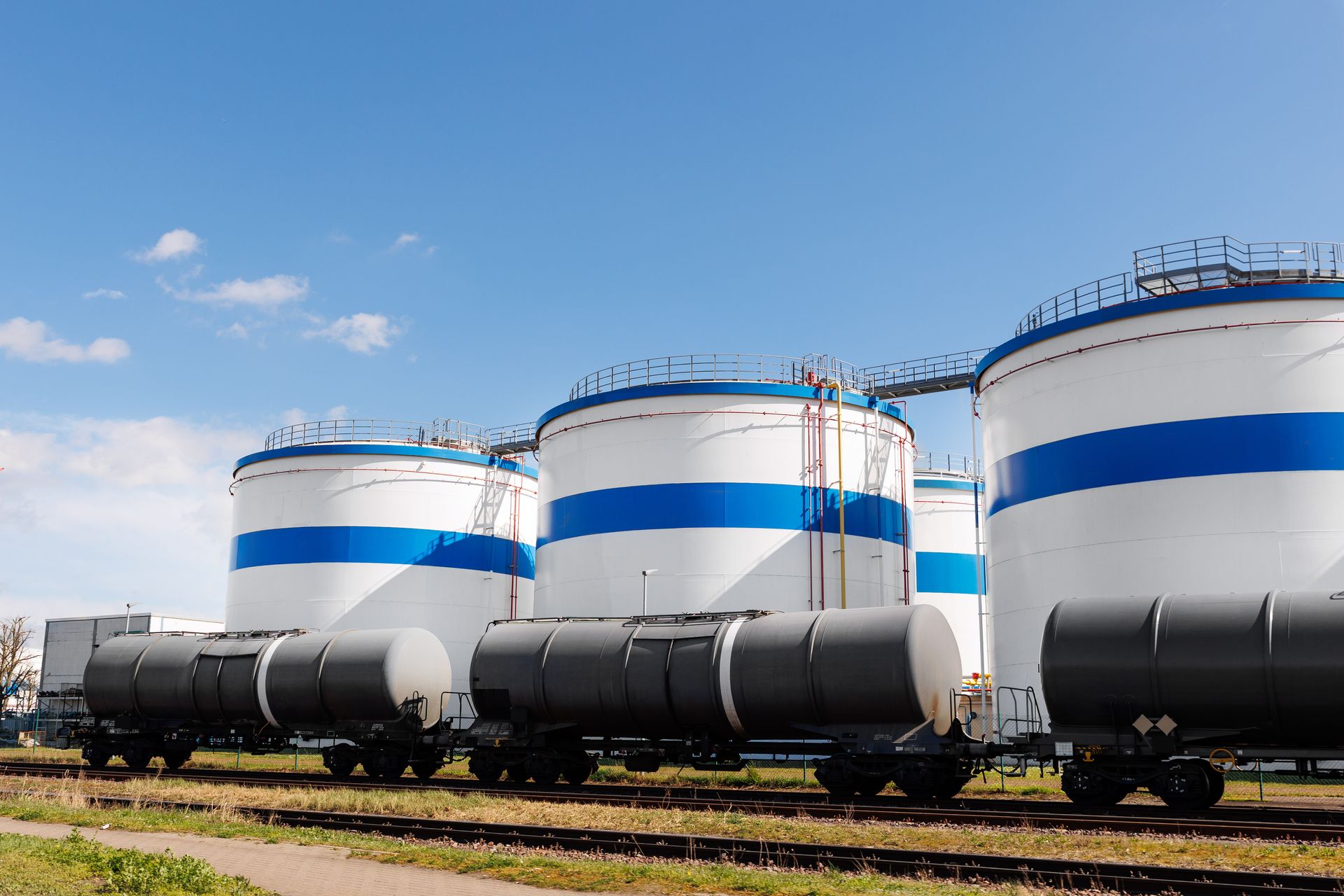
Industrial Tank Cleaning
Many facilities schedule tank cleaning during lagoon shutdown periods to maximize downtime efficiency and consolidate waste disposal. Coordination of both services under one project timeline reduces contractor management complexity and lowers overall disposal costs.
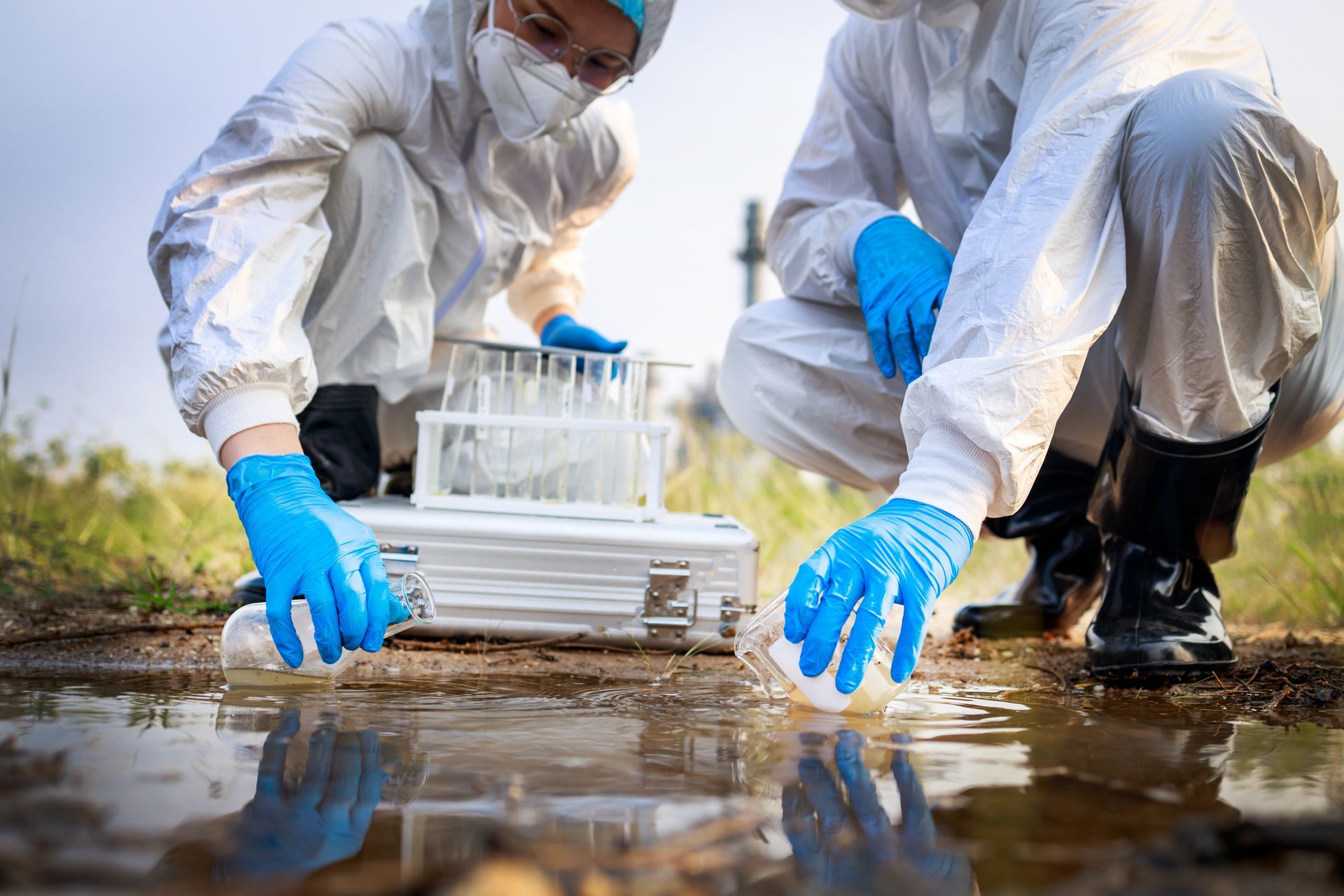
Site Remediation Services
If your lagoon cleaning reveals soil or groundwater contamination from liner failure, remediation services include environmental site assessments, contaminated soil excavation, groundwater monitoring well installation, and corrective action plans to achieve regulatory site closure.
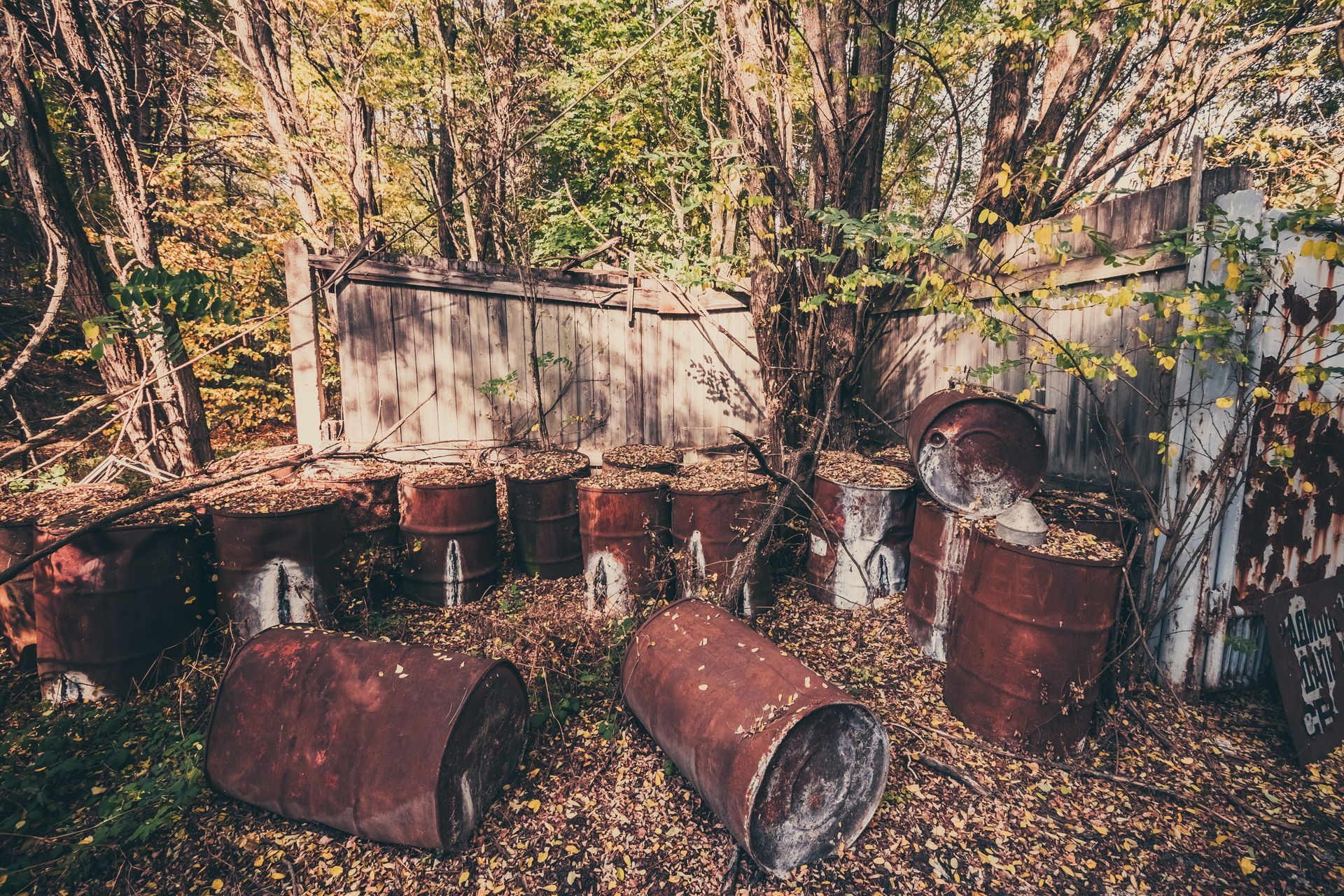
Non-Hazardous Waste Disposal
Lagoons with non-hazardous biosolids and organic sludge require proper characterization and disposal at permitted landfills. Services include complete documentation and cost optimization through beneficial reuse programs including land application, composting, or energy recovery.
Hazardous Waste Disposal
For lagoons with RCRA-regulated sludge, hazardous waste services provide compliant manifesting, direct TSDF relationships, and complete cradle-to-grave documentation from excavation through final treatment—eliminating broker markups and ensuring regulatory compliance.
Industrial Tank Cleaning
Many facilities schedule tank cleaning during lagoon shutdown periods to maximize downtime efficiency and consolidate waste disposal. Coordination of both services under one project timeline reduces contractor management complexity and lowers overall disposal costs.
Site Remediation Services
If your lagoon cleaning reveals soil or groundwater contamination from liner failure, remediation services include environmental site assessments, contaminated soil excavation, groundwater monitoring well installation, and corrective action plans to achieve regulatory site closure.