FREQUENTLY ASKED QUESTION ABOUT
Certificate of Disposal
Complete guide for facility managers, EHS coordinators, and compliance officers managing hazardous and industrial waste documentation.
What Is a Certificate of Disposal?
A Certificate of Disposal (COD) is formal compliance documentation issued by a permitted or state-authorized Treatment, Storage, and Disposal Facility (TSDF) confirming that waste was received and ultimately treated or disposed of in accordance with applicable environmental regulations. CODs support cradle-to-grave documentation and provide a verifiable audit trail under RCRA’s generator responsibility framework.
Certificate of Disposal: Common Questions
Availability and Generator Considerations
Not all TSDFs automatically provide Certificates of Disposal. Some facilities issue CODs only upon request or charge additional fees for certificate preparation. Generators should confirm COD availability before selecting disposal facilities, particularly for waste streams with long-term liability considerations such as PFAS-containing materials, PCB waste, or materials associated with contaminated sites.
WHY A CERTIFICATE OF DISPOSAL MATTERS?
Regulatory and Audit Value
Although Certificates of Disposal are not explicitly required under federal RCRA regulations, they are considered industry best practice and are commonly requested during EPA or state inspections, corporate audits, property transactions, and environmental due diligence reviews. CODs help demonstrate cradle-to-grave compliance and provide confirmation that waste reached its intended final disposition.
Liability Protection Under RCRA and CERCLA
Under RCRA, generators remain legally responsible for their waste even after it leaves their facility. If waste is later discovered to have been improperly disposed of, illegally dumped, or sent to an unpermitted facility, generators may face enforcement actions or cleanup costs years after shipment. Certificates of Disposal provide documented evidence that the generator selected authorized facilities and verified proper waste management.
For waste streams with potential Superfund exposure, disposal documentation becomes even more critical. If a disposal facility later becomes the subject of a CERCLA investigation, historical records demonstrating proper facility selection and compliant disposal practices can be essential for liability defense.
Record Retention Best Practices
Facilities typically retain Certificates of Disposal alongside hazardous waste manifests for at least three years to align with federal manifest retention requirements. However, best practice is to retain CODs much longer—often 10 years or indefinitely—especially for waste streams that may present long-term environmental liability or affect future property transactions.
WHY DO I NEED A CERTIFICATE OF DISPOSAL?
Facilities need Certificates of Disposal to demonstrate regulatory compliance, protect against long-term environmental liability, satisfy audit requirements, and support property transactions. Certificates of Disposal provide documented confirmation that waste was properly treated or disposed of after leaving your facility and support regulatory compliance, audit readiness, and liability protection.
Inspection and Audit Requirements
EPA and state inspectors often request Certificates of Disposal during inspections and audits, particularly for high-liability waste streams. Inspectors cross-reference manifests against CODs to confirm the waste tracking chain is complete and generators are meeting cradle-to-grave responsibilities. Missing disposal documentation can trigger enforcement concerns even when manifests show proper shipment.
Corporate audits, ISO 14001 environmental management system certifications, and internal compliance programs typically require CODs as proof of compliant waste management. Third-party auditors reviewing environmental management systems expect complete waste tracking documentation including both manifests and disposal certificates.
Long-Term Liability Protection
Under RCRA's liability framework, generators remain responsible for waste from cradle to grave—meaning liability doesn't end when waste leaves your facility. If waste is later found to have been improperly disposed of, illegally dumped, or sent to an unpermitted facility, generators can face enforcement actions and cleanup costs even years after shipment. Certificates of Disposal provide documented evidence that you selected legitimate facilities and verified proper management.
Superfund (CERCLA) liability can arise many years after disposal, making long-term documentation retention critical. If a TSDF becomes a Superfund site, EPA may pursue generators who sent waste there for cleanup costs—even 20+ years later. CODs demonstrating you selected a properly permitted facility strengthen your defense against liability claims.
Property Transactions and Due Diligence
Property transactions and real estate due diligence reviews require comprehensive waste disposal records to assess potential environmental liabilities. Buyers conducting Environmental Site Assessments want proof that all historical waste was properly disposed of at authorized facilities. Missing Certificates of Disposal can trigger liability concerns, delay transactions, or require seller indemnification.
Facilities generating waste with elevated Superfund liability risk—PFAS-containing materials, PCB waste, heavy metals, or materials from contaminated sites—should treat CODs as mandatory documentation. These waste types carry long-term liability exposure extending decades beyond initial disposal, making verifiable documentation critical for future protection.
WHAT INFORMATION IS INCLUDED ON A CERTIFICATE OF DISPOSAL?
Certificates of Disposal include specific information documenting waste characterization, disposal methods, facility permits, and regulatory compliance. While COD formats vary between TSDFs, most certificates contain standardized information required for audit trails and regulatory verification.
Waste Identification
EPA hazardous waste codes (D001-D043 characteristic codes, F-listed, K-listed, P-listed, U-listed wastes), waste description matching the manifest, and manifest tracking number linking the COD to the original shipment.
Generator and Facility Information
Generator information identifies the facility that generated the waste: company name, facility address, EPA ID number, and contact information.
Disposal facility information documents the TSDF that received and managed the waste: facility name, address, EPA permit number, state authorization details, and contact information. The permit number confirms the facility is authorized to accept and manage the specific waste types listed.
Quantities and Methods
Waste quantities are documented by weight (tons, pounds, kilograms) or volume (gallons, cubic yards) matching manifest quantities. Significant discrepancies require explanation and documentation.
Disposal or treatment methods specify how waste was managed: incineration, chemical treatment, stabilization, landfill disposal, fuel blending, or recycling. For wastes subject to Land Disposal Restrictions (LDRs), certificates document that required treatment standards were met before final disposal.
Completion and Certification
Disposal dates indicate when waste treatment or disposal was completed. These dates verify timely disposal and establish compliance timelines for regulatory purposes.
Certification statements signed by authorized TSDF representatives confirm waste was managed in compliance with federal and state regulations, met applicable treatment standards, and was disposed of using approved methods at permitted facilities.
Generators should review Certificates of Disposal upon receipt to verify accuracy, completeness, and consistency with original manifests. Discrepancies or missing information should be resolved immediately with the TSDF.
How Long Should I Keep Certificates Of Disposal?
Facilities must retain hazardous waste manifests for at least three years under EPA regulations (40 CFR 262.40), and Certificates of Disposal should be retained as supporting disposal documentation. However, best practice is to keep disposal documentation much longer—often 10+ years or indefinitely—to protect against long-term environmental liability.
Federal and State Requirements
The three-year minimum is insufficient for comprehensive liability protection. RCRA's cradle-to-grave liability means generators remain responsible for waste indefinitely. Superfund (CERCLA) liability can arise many years after disposal, making long-term documentation retention critical. Disposal documentation from 10, 20, or 30 years ago may be needed to defend against enforcement actions or contamination investigations.
State regulations often impose longer retention requirements than federal rules—some states require 5, 7, or 10 years, and a few mandate indefinite retention for certain waste types. Generators should confirm state-specific requirements and apply the longest retention period for consistency.
Property Transactions and Liability Defense
Property transactions typically request waste disposal documentation covering the entire period of facility operations—not just three years. Buyers conducting Environmental Site Assessments want proof that all historical waste was properly managed. Missing disposal records can trigger liability concerns, reduce property values, or require seller indemnification.
If a TSDF becomes a Superfund site due to contamination or mismanagement, EPA may pursue generators who sent waste to that facility for cleanup cost recovery—even decades after disposal occurred. CODs demonstrating you selected a properly permitted facility strengthen your defense against liability claims.
Practical Retention Recommendations
- Minimum: 3 years (federal requirement for supporting records)
- Standard: 10 years (covers most state requirements and routine liability)
- Best practice: Indefinite retention (protects against long-term Superfund liability, supports property transactions)
Digital recordkeeping makes indefinite retention practical. Scanning certificates and indexing them electronically maintains complete historical records without physical storage limitations and improves accessibility during audits or due diligence requests.
What's The Difference Between A Certificate Of Disposal And A Manifest?
A hazardous waste manifest and Certificate of Disposal serve different purposes in the waste tracking process, document different stages, and are issued by different parties—but both are essential for demonstrating cradle-to-grave compliance.
The Hazardous Waste Manifest
The hazardous waste manifest (EPA Form 8700-22) is a shipping document that tracks waste during transportation from the generator through transporters to the receiving TSDF. Manifests are completed before waste leaves the generator and document who generated the waste, waste codes and quantities, who is transporting it, and which TSDF will receive it. All parties handling waste—generator, transporters, and receiving facility—sign the manifest confirming receipt and transfer of custody.
If a signed manifest copy is not received, Large Quantity Generators must initiate follow-up by day 45 and submit an exception report by day 60, while Small Quantity Generators submit an exception report by day 60.
The Certificate of Disposal
Certificates of Disposal are issued after waste arrives at the TSDF and undergoes treatment or disposal. CODs document what happened after the TSDF received the waste—the specific disposal method used (incineration, landfilling, chemical treatment, recycling), completion date, and confirmation that regulatory requirements were met. TSDFs typically issue CODs 30-90 days after waste processing, though timing varies by facility and disposal method.
Key Differences
The manifest confirms waste was shipped to an authorized facility; the Certificate of Disposal confirms what that facility did with the waste.
Regulatory requirements differ. Manifests are explicitly required under RCRA regulations (40 CFR Part 262) for all off-site hazardous waste shipments—violations trigger enforcement actions. Certificates of Disposal are not federally mandated but are industry best practice and often requested during inspections and audits, particularly for high-liability waste streams.
During EPA inspections, regulators review both manifests and CODs to verify complete waste tracking. Inspectors check that quantities match, waste codes are consistent, and disposal methods are appropriate. Discrepancies trigger questions about waste management practices.
For audit and liability protection, maintain manifests and CODs together, indexed by manifest tracking number or shipment date. Linking these documents creates verifiable proof of compliant waste management from generation through final disposal.
How Do I Verify A Certificate Of Disposal Is Legitimate?
Verifying Certificate of Disposal legitimacy protects facilities from fraudulent disposal claims, ensures waste was managed at properly permitted facilities, and reduces liability exposure from waste sent to unpermitted TSDFs.
Confirm TSDF Authorization
Check that the facility holds a current, valid EPA permit or state authorization for the waste codes and disposal methods documented. EPA's EPA’s RCRAInfo database (https://rcrapublic.epa.gov) allows you to search TSDFs by EPA ID number, verify permit status, review authorized waste codes, and confirm operating status. Cross-reference the TSDF name, address, and permit number on the COD against EPA's official records.
Match COD to Manifest
Verify that waste codes, quantities, and descriptions on the Certificate match the original hazardous waste manifest. Material discrepancies—different waste codes, significantly different quantities, or inconsistent disposal methods—may indicate documentation errors or fraudulent certificates. Compare manifest tracking numbers on CODs against your records.
Review Disposal Method and Signatures
Confirm the treatment method is suitable for the waste type and meets regulatory requirements. Waste subject to Land Disposal Restrictions must undergo specific treatment before landfilling—certificates should document required treatment occurred. Incompatible treatment methods suggest improper handling.
Legitimate CODs include signatures from authorized TSDF representatives—facility managers, environmental compliance officers, or designated officials. Unsigned certificates or unclear signatures should be questioned.
Direct TSDF Contact and Red Flags
Contact the TSDF directly if legitimacy is uncertain or information appears inconsistent. Request confirmation that waste was received, processed, and disposed of as documented. TSDFs maintain internal records and can verify disposal completion. Direct contact is particularly important for high-liability waste streams (PFAS materials, PCBs, Superfund-related wastes).
Watch for red flags: Generic facility names without addresses or permit numbers, missing or invalid EPA ID numbers, disposal methods inconsistent with waste types, certificates issued immediately after shipment (before processing could occur), or facilities not listed in EPA databases.
If you discover a COD is fraudulent or waste was not properly disposed of, immediately notify EPA and state agencies. Generators who unknowingly used unpermitted facilities may face reduced liability if they demonstrate reasonable due diligence and report violations upon discovery.
Additional Certificate of Disposal FAQs
Is a Certificate of Disposal required by EPA?
No, Certificates of Disposal are not explicitly required under federal RCRA regulations. However, they are industry best practice and often requested during EPA inspections, state audits, and corporate compliance reviews, particularly for high-liability waste streams. Many state regulations, corporate policies, and environmental management system standards (ISO 14001) require CODs as proof of compliant disposal.
Can I request a Certificate of Disposal after waste has already been shipped?
Yes. Contact the TSDF that received your waste and request certificate issuance for past shipments. Provide the manifest tracking number, shipment date, and waste description. Most TSDFs can issue certificates for historical shipments if disposal records are on file. Some facilities charge fees for certificate preparation or research time for older shipments.
What if my TSDF doesn't provide Certificates of Disposal?
Some TSDFs don't automatically issue CODs or only provide them upon request. Before selecting a disposal facility, confirm COD availability and any associated fees. If your current TSDF doesn't provide certificates, request them in writing. For future shipments, consider TSDFs that provide comprehensive disposal documentation as standard practice.
Are electronic Certificates of Disposal acceptable?
Yes. Electronic CODs delivered via email, secure portals, or document management systems are acceptable if they contain all required information and can be printed or stored for inspections. Many TSDFs use electronic delivery for efficiency. Ensure electronic certificates are backed up, stored securely, and accessible during audits.
What's the difference between a Certificate of Disposal and a Certificate of Destruction?
A Certificate of Disposal confirms waste was treated or disposed of at an authorized facility in accordance with applicable regulations. A Certificate of Destruction specifically confirms waste was destroyed through irreversible processes like incineration or thermal treatment. Destruction certificates are common for pharmaceuticals, controlled substances, and confidential materials requiring complete elimination rather than landfill disposal.
Do I need Certificates of Disposal for non-hazardous waste?
Certificates of Disposal are not required under federal regulations for non-hazardous industrial waste, but many facilities request them for audit support, internal controls, and liability documentation. Facilities generating large volumes of non-hazardous waste or materials with contamination concerns often request CODs for recordkeeping purposes.
How do I organize and store Certificates of Disposal for easy retrieval?
Index CODs by manifest tracking number, shipment date, waste code, or TSDF name. Link certificates to corresponding manifests in the same file or database. Digital recordkeeping allows searching by multiple criteria and faster retrieval than paper files. Back up electronic certificates regularly and maintain organized files for at least 10 years (preferably indefinitely).
What should I do if a Certificate of Disposal contains errors?
Contact the TSDF immediately to request a corrected certificate. Document the errors in writing and specify what needs correction. TSDFs should issue amended certificates with accurate information and reference the original certificate number. Retain both the original and corrected certificates with documentation explaining corrections. Never alter certificates yourself—corrections must come from the issuing facility.
Request a QUOTE FOR SERVICES
Our team helps verify TSDF credentials, ensure complete disposal documentation, and support compliance audits. Providing waste type, EPA codes, disposal facility information, and documentation requirements helps us recommend authorized TSDFs and confirm proper waste management.

Hazardous Waste Disposal
RCRA-compliant disposal of all substances, PCBs, and PFAS. Full manifests and Certificates of Disposal.

Non-Hazardous Waste Disposal
Safe disposal of industrial debris, packaging, plastics, and sludge. Recycling options available.
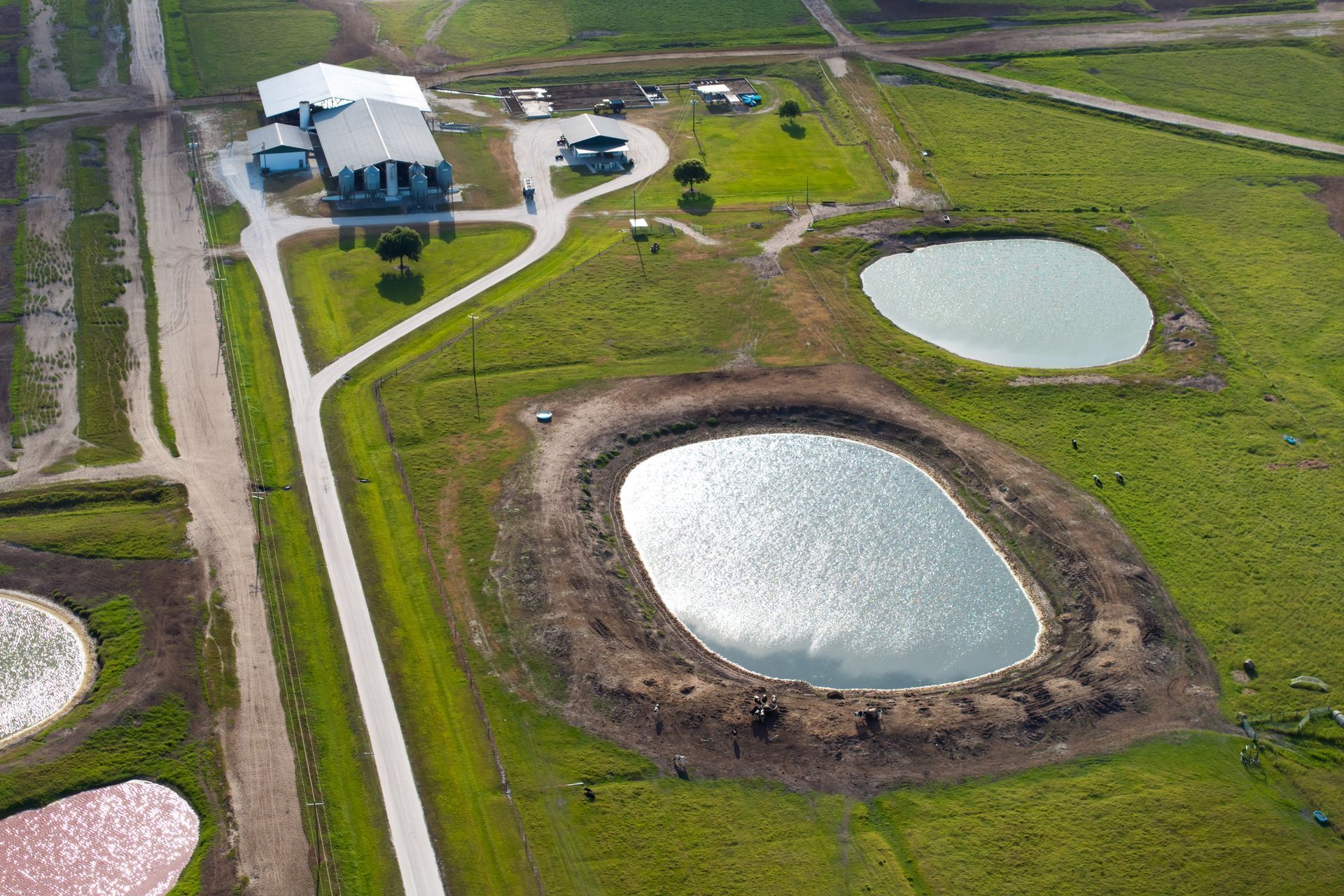
Pond & Lagoon Cleanouts
Dewatering, sludge removal, and polymer solidification. Extends service life with full compliance.
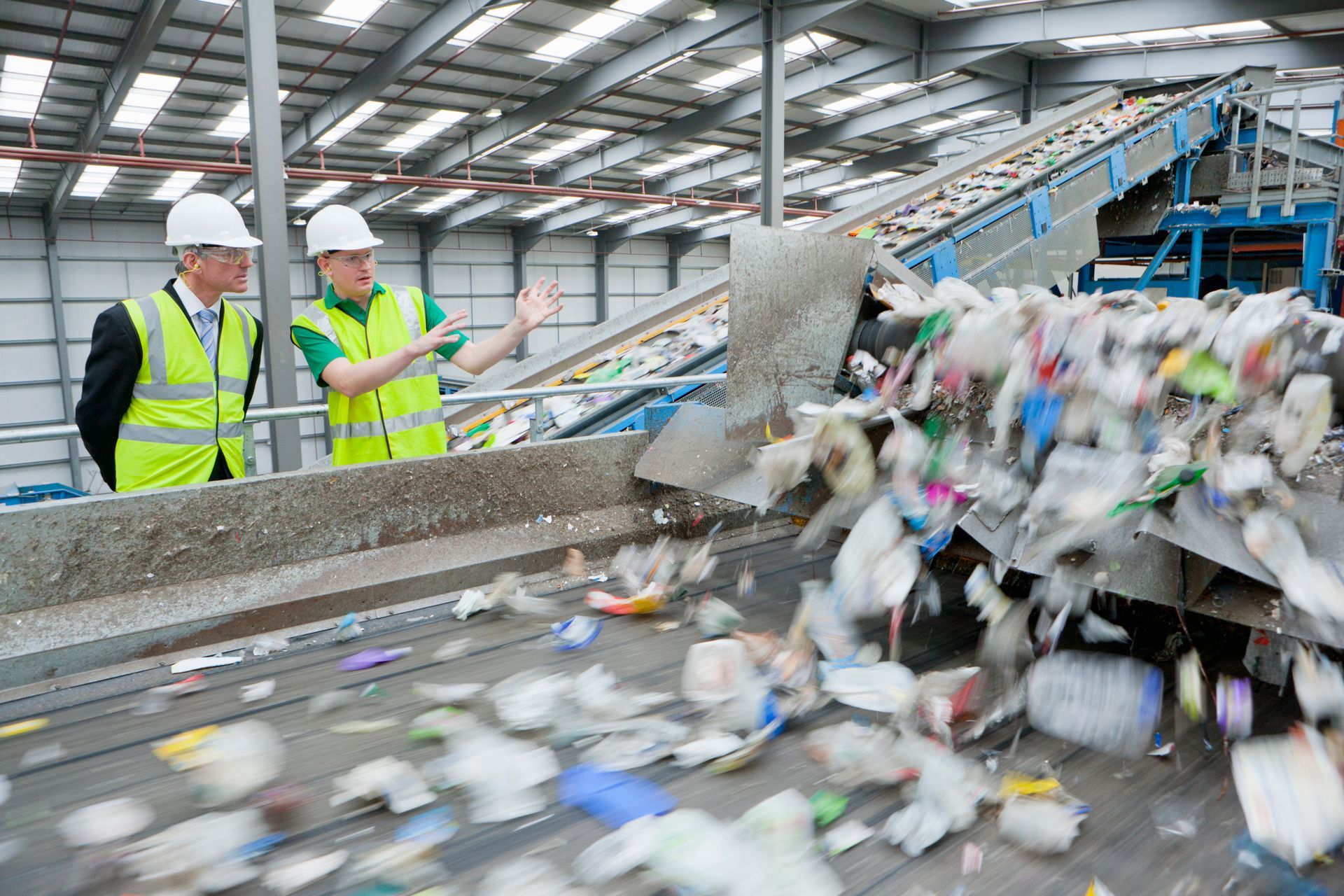
Industrial Recycling
Material recovery for metals, solvents, and oils. Reduce disposal costs and support sustainability.

Asbestos Removal Services
Licensed abatement and disposal. EPA-certified crews with documentation and safe transport.

Chemical Lab Packing
On-site identification and DOT-compliant packaging of surplus or unknown chemicals. Full manifesting.
Site Remediation Services
Contaminated soil cleanup and facility closures. Turnkey management from assessment to clearance.
Industrial Tank Cleaning
Confined space cleaning with hydroblasting and vacuum extraction. OSHA-certified crews nationwide.
Industrial Plant Dismantling
Complete facility teardown, including hazmat removal, salvage, and site restoration under one contract.
Abandonment Removal
Cleanup of abandoned industrial properties. Hazardous waste removal and regulatory clearance for reuse.
Specialized Hazmat Services
Specialized handling of PCBs, radioactive materials, and biologicals. DOT-compliant transport and disposal.
Incineration Disposal
High-temperature destruction of organic hazardous waste. Compliant incineration with full documentation.
Hazardous Waste Disposal
RCRA-compliant disposal of all substances, PCBs, and PFAS. Full manifests and Certificates of Disposal.
Non-Hazardous Waste Disposal
Safe disposal of industrial debris, packaging, plastics, and sludge. Recycling options available.
Pond & Lagoon Cleanouts
Dewatering, sludge removal, and polymer solidification. Extends service life with full compliance.
Industrial Recycling
Material recovery for metals, solvents, and oils. Reduce disposal costs and support sustainability.
Asbestos Removal Services
Licensed abatement and disposal. EPA-certified crews with documentation and safe transport.