FREQUENTLY ASKED QUESTION ABOUT
Guide to Hazardous Waste
Complete guide for facility managers, EHS coordinators, and compliance officers managing industrial hazardous waste under EPA regulations.
HAZARDOUS WASTE?
Hazardous waste is a regulated solid waste under the Resource Conservation and Recovery Act (RCRA) that poses substantial or potential threats to public health or the environment due to its chemical properties. Under EPA regulations (40 CFR Parts 260-268), hazardous waste is defined as waste that is either specifically listed by EPA or exhibits one or more hazardous characteristics.
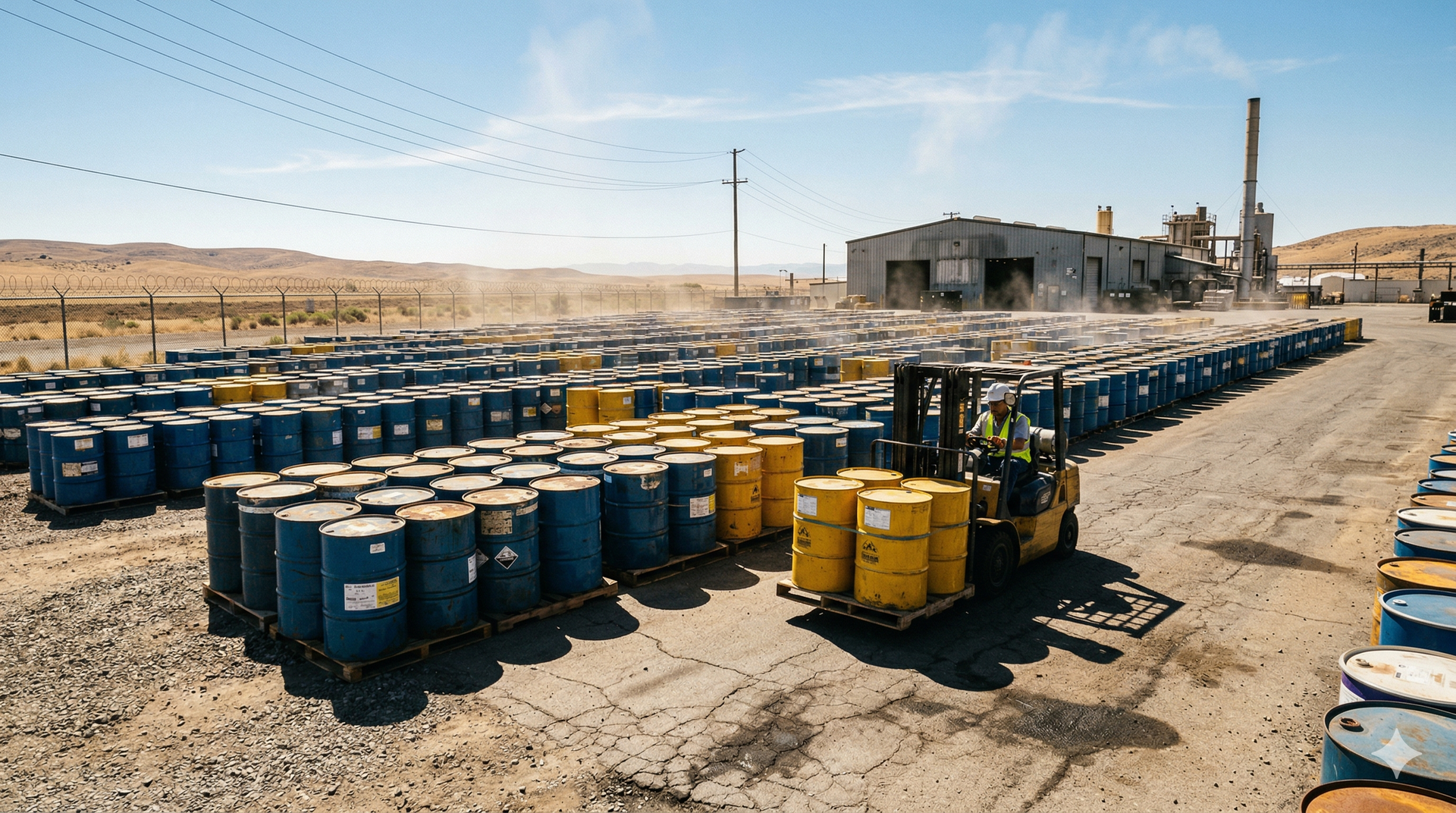
Industrial facilities generate hazardous waste through manufacturing processes, chemical operations, maintenance activities, laboratory work, and equipment cleaning. Proper identification and management of hazardous waste is required to prevent environmental contamination, protect worker safety, and maintain regulatory compliance with federal and state requirements.
Common Questions About Hazardous Waste
WHY HAZARDOUS WASTE TREATMENT MANAGEMENT MATTERS?
Improper hazardous waste management creates serious regulatory, environmental, and operational risks for industrial facilities. EPA and state agencies enforce strict requirements for waste identification, storage, transportation, and disposal under RCRA's cradle-to-grave liability system—meaning generators remain responsible for waste even after it leaves their facility.
Regulatory and Financial Consequences
Violations trigger EPA enforcement actions with penalties currently exceeding $59,973 per violation per day under the 2025 penalty schedule. Beyond financial penalties, facilities face potential shutdowns, criminal charges for knowing violations, and third-party lawsuits for environmental damage.
Long-Term Liability Exposure
RCRA's cradle-to-grave liability means generators can face enforcement actions and cleanup costs years or decades after improper disposal occurred. Hazardous waste that leaches into soil or groundwater creates long-term cleanup obligations under CERCLA (Superfund).
Operational and Safety Risks
Exposure to toxic, corrosive, reactive, or ignitable materials causes worker injuries and OSHA citations. Accumulated hazardous waste consumes valuable storage space, blocks production areas, and creates fire or explosion hazards that disrupt operations.
Compliance Requirements
Facilities must comply with generator status requirements, storage time limits, manifest documentation, Biennial Report submissions, and EPA ID number registration to maintain compliant operations and protect against liability exposure.
hazardous waste EXPLAINED
EPA Regulatory Definition
Under 40 CFR Part 261, hazardous waste is a solid waste that meets EPA's listing criteria or demonstrates hazardous characteristics through testing. The term "solid waste" under RCRA includes solids, liquids, semi-solids, and contained gases—not just materials in solid physical form. Materials become regulated hazardous waste when they are discarded, abandoned, or no longer serve their intended purpose.
Waste Determination Requirements
Generators must make waste determinations for all materials before disposal using either laboratory testing or documented generator knowledge based on Safety Data Sheets, process information, and raw material composition. This determination establishes whether waste is regulated under RCRA hazardous waste rules or can be managed as non-hazardous industrial waste.
Listed Hazardous Waste
EPA maintains four lists of specific wastes that are automatically considered hazardous regardless of concentration or characteristics. These lists identify wastes from common industrial and commercial processes that EPA has determined pose sufficient hazard to warrant special management.
F-List Wastes (Non-Specific Source)
F-listed wastes come from common manufacturing and industrial processes across multiple industry sectors. Examples include spent halogenated solvents (F001-F005) such as methylene chloride, trichloroethylene, and perchloroethylene used in degreasing and cleaning.
Additional F-list examples include spent non-halogenated solvents (F003) including xylene, acetone, and methanol, electroplating and metal finishing wastewater treatment sludges (F006, F019), and petroleum refinery wastewater treatment sludge (F037-F039).
F-listed wastes are hazardous because they typically contain toxic constituents, are ignitable, or present other hazards based on EPA's evaluation of the generating process. Facilities generating F-listed wastes must manage them as hazardous waste even if testing shows low concentrations of hazardous constituents.
K-List Wastes (Specific Source)
K-listed wastes are specific to particular industries and processes. EPA identifies these wastes by the industry generating them and the specific production process involved.
Examples include wood-preserving wastes (K001), petroleum refining wastewater treatment sludge (K048-K052), coking wastewater treatment sludge (K060-K062), and veterinary pharmaceutical production wastes (K084-K088).
K-list wastes are hazardous due to the presence of specific toxic constituents or hazardous properties associated with particular manufacturing operations. Generators must determine if their waste matches EPA's K-list descriptions based on industry sector and process type.
P-List and U-List Wastes (Discarded Commercial Products)
P-list and U-list wastes are discarded commercial chemical products, off-specification products, container residues, or spill cleanup materials from acutely hazardous (P-list) or toxic (U-list) chemicals.
P-listed wastes are acutely hazardous materials subject to stricter management requirements, including lower quantity thresholds for generator status determination. Examples include sodium cyanide (P106), nicotine (P075), and certain pesticides.
U-listed wastes include acetone (U002), methanol (U154), formaldehyde (U122), and mercury (U151). These wastes are hazardous when discarded in unused form, as off-specification materials, or as container residues.
Characteristic Hazardous Waste
Wastes that are not specifically listed by EPA may still be hazardous if they exhibit one or more of four hazardous characteristics defined by EPA testing protocols. Characteristic hazardous wastes are identified by testing or applying documented generator knowledge to determine if materials meet regulatory thresholds.
Characteristic wastes receive D-codes (D001-D043) based on which characteristic they exhibit. Unlike listed wastes, characteristic hazardous wastes may be managed as non-hazardous if they are successfully treated to remove the hazardous characteristic, though documentation of treatment is required.
Regulatory Exclusions
Not all wastes that appear hazardous are regulated as RCRA hazardous waste. EPA regulations (40 CFR 261.4) specifically exclude certain materials from hazardous waste regulation.
Common Exclusions
Domestic sewage and mixtures of domestic sewage and other wastes passing through sewers to publicly owned treatment works are excluded. Industrial wastewater discharges regulated under Clean Water Act permits are excluded from RCRA hazardous waste requirements.
Certain recycled materials, irrigation return flows, and specific mining overburden are also excluded. Agricultural wastes used as fertilizers and certain petroleum exploration drilling fluids have specific exemptions.
These exclusions prevent over-classification but do not eliminate all environmental obligations. Excluded materials may still be regulated under other environmental programs such as the Clean Water Act or state solid waste rules.
What are the 4 categories of hazardous waste?
EPA defines four hazardous waste characteristics that materials may exhibit: ignitability, corrosivity, reactivity, and toxicity. Wastes demonstrating any of these characteristics are regulated as hazardous waste under RCRA and receive D-code waste identifications (D001-D043) based on the specific characteristic.
Ignitability (D001)
Definition and Testing
Ignitable wastes are liquids with flash points below 140°F (60°C), non-liquids capable of causing fire through friction or spontaneous chemical changes, ignitable compressed gases, or oxidizers as defined under DOT regulations. These materials present fire hazards during storage, handling, and transportation.
Common Examples
Common ignitable wastes include spent solvents (acetone, methanol, xylene, toluene), paint thinners and strippers, petroleum products and waste oils with low flash points, alcohol-based cleaning solutions, and aerosol cans containing propellants.
Testing and Storage
Ignitability is determined through flash point testing using methods specified in 40 CFR 261.21. Ignitable wastes must be stored away from ignition sources, in fire-resistant containers, and in areas with adequate ventilation. Incompatible materials that could react to produce heat or ignite must be segregated.
Disposal Options
Many ignitable wastes are candidates for fuel blending or energy recovery rather than landfill disposal.
Corrosivity (D002)
Definition and pH Requirements
Corrosive wastes are aqueous materials with pH less than or equal to 2 or greater than or equal to 12.5, or liquids that corrode steel at rates exceeding 6.35 mm per year at 55°C (130°F). Corrosive materials damage tissue on contact, corrode metal containers, and can react violently with other wastes.
Common Examples
Common corrosive wastes include spent acids (sulfuric, hydrochloric, nitric, phosphoric) from metal finishing, chemical manufacturing, and laboratory operations. Spent alkaline solutions (sodium hydroxide, potassium hydroxide) from cleaning and pH adjustment are also corrosive.
Additional examples include battery acids from equipment maintenance and rust removers and descaling solutions.
Testing and Management
Corrosivity is determined through pH measurement using EPA Method 9040 or corrosion testing per EPA Method 1110. Corrosive wastes require chemical-resistant containers (polyethylene for acids, steel for bases), secondary containment, and segregation from incompatible materials.
Treatment Options
Neutralization treatment can remove the corrosive characteristic before disposal, potentially allowing management as non-hazardous waste with proper documentation.
Reactivity (D003)
Definition and Properties
Reactive wastes are unstable under normal conditions, react violently with water, form potentially explosive mixtures with water, generate toxic gases when mixed with water, contain cyanides or sulfides that produce toxic gases at pH between 2 and 12.5, or are capable of detonation or explosive reaction.
Common Examples
Common reactive wastes include oxidizers (peroxides, permanganates, chlorates), compressed gases and aerosols, cyanide-bearing wastes from metal plating and heat treating, and sulfide-bearing wastes from petroleum refining and chemical production. Water-reactive chemicals such as sodium metal, phosphorus, and calcium carbide are also reactive.
Storage and Handling
Reactive wastes require special handling procedures including storage in cool, dry locations away from heat sources and incompatible materials, pressure relief mechanisms for containers that might pressurize, and immediate response capability for spills or releases.
Disposal Requirements
Reactive wastes cannot be landfilled without treatment to stabilize their reactive properties.
Toxicity (D004-D043)
TCLP Testing
Toxic wastes contain concentrations of specific contaminants that exceed regulatory limits when tested using the Toxicity Characteristic Leaching Procedure (TCLP). TCLP simulates conditions in a municipal solid waste landfill to determine if toxic constituents would leach into groundwater at dangerous levels.
Regulated Contaminants
EPA regulates 40 specific contaminants under the toxicity characteristic, including heavy metals (lead D008, mercury D009, cadmium D006, chromium D007, arsenic D004), pesticides and herbicides, volatile organic compounds like benzene (D018) and chloroform (D022), and semi-volatile organic compounds including certain PCBs and chlorinated compounds.
Common Toxic Wastes
Common toxic wastes include lead-containing paint waste and batteries, mercury from fluorescent lamps and thermostats, cadmium from electroplating sludge, and chromium from leather tanning and metal finishing.
Additional examples include pesticide and herbicide containers or rinse water and contaminated soil from spill cleanup.
Testing and Treatment
TCLP testing is conducted by certified laboratories using EPA Method 1311. Wastes exceeding any of the 40 toxicity characteristic contaminant limits are assigned the corresponding D-code. Treatment through stabilization, chemical fixation, or thermal destruction may reduce toxicity below regulatory thresholds.
HOW DO I KNOW IF MY WASTE IS HAZARDOUS?
Waste Determination Requirements
EPA regulations (40 CFR 262.11) require all generators to determine if their waste is hazardous before managing, storing, or disposing of it. The determination establishes which regulatory requirements apply and whether waste must be manifested, stored under time limits, and sent to permitted Treatment, Storage, and Disposal Facilities (TSDFs).
When Determinations Are Required
Generators must re-evaluate waste determinations whenever processes change, raw materials are modified, or there is reason to believe waste characteristics may have changed. Documentation of waste determinations must be maintained for at least three years and made available during EPA or state inspections.
Generator Knowledge Method
What Generator Knowledge Includes
Generator knowledge uses documented information about raw materials, manufacturing processes, and waste generation to determine whether waste is hazardous. This approach relies on Safety Data Sheets (SDS), process flow diagrams, material balance calculations, and knowledge of chemicals used in operations.
When Generator Knowledge Is Acceptable
Generator knowledge is acceptable for waste determination when documentation clearly demonstrates waste composition and whether it meets listing descriptions or exhibits hazardous characteristics. For example, if pure acetone is used as a cleaning solvent and becomes contaminated only with oils or greases, generator knowledge can support a determination that the spent solvent is F003 listed hazardous waste.
Documentation Requirements
Generator knowledge must be thoroughly documented including identification of raw materials and their hazardous properties, description of the process generating waste, explanation of why waste is or is not hazardous, and references to supporting documents like SDS sheets or process specifications.
Incomplete or poorly documented generator knowledge will not withstand inspection scrutiny and demonstrates the basis for waste classification.
Laboratory Testing
When Testing Is Required
Laboratory testing uses EPA-approved analytical methods to determine if waste exhibits hazardous characteristics or contains listed waste constituents. Testing is required when generator knowledge is insufficient, waste composition is complex or unknown, or EPA/state inspectors question waste determinations based on generator knowledge alone.
Common Test Methods
Common waste characterization tests include flash point testing for ignitability (EPA Method 1010), pH testing for corrosivity (EPA Method 9040), TCLP for toxicity characteristic (EPA Method 1311), and tests for reactive properties like cyanide or sulfide content.
Waste may also be tested for specific constituents to determine if it meets listing descriptions.
Laboratory Requirements
Testing must be conducted by laboratories with appropriate certifications and quality assurance programs. Results should clearly state whether waste meets hazardous waste criteria and identify applicable waste codes.
Facilities should profile waste streams through initial testing and periodic re-testing to confirm waste characteristics remain consistent.
Listed Waste Determination
Matching Listing Descriptions
For listed wastes, generators must determine if their waste matches EPA's listing descriptions based on the generating process and industry. Listed wastes are hazardous regardless of concentration and cannot be de-listed through dilution or treatment without formal EPA delisting petitions.
Mixture and Derived-From Rules
The mixture rule (40 CFR 261.3) states that any mixture containing listed hazardous waste is also hazardous waste unless the listed waste has been delisted. The derived-from rule states that waste derived from treatment, storage, or disposal of listed hazardous waste remains hazardous unless delisted.
Characteristic Waste Determination
For characteristic wastes, determination involves either testing or applying generator knowledge to evaluate whether waste exhibits ignitability, corrosivity, reactivity, or toxicity. Characteristic wastes that are successfully treated to remove the hazardous characteristic may be managed as non-hazardous, though treatment documentation is required.
Multiple Waste Codes
If a waste exhibits multiple characteristics or contains both listed and characteristic components, all applicable waste codes must be identified on manifests and disposal paperwork.
Seeking Guidance
Facilities uncertain about waste determinations should consult with environmental professionals, conduct testing, or contact EPA or state agencies for guidance before disposal.
Common Misclassifications
Oily Rags and Absorbents
Rags and absorbents contaminated with solvents or oils may be hazardous waste depending on the contaminant. Rags saturated with F-listed solvents are hazardous waste. Some states have specific exemptions for industrial laundry services or disposal in lined landfills.
Aerosol Cans
Empty aerosol cans meeting the empty container definition (see below) are not hazardous waste. Full or partially full cans are universal waste in many states or may be managed as hazardous waste. Puncturing devices allow proper emptying and depressurization.
Personal Protective Equipment (PPE)
Disposable PPE (gloves, suits, respirator cartridges) contaminated with hazardous waste or chemicals may be hazardous waste if they exhibit characteristics or are contaminated with listed waste. PPE from spill cleanup of listed hazardous waste is typically hazardous waste under the derived-from rule.
Spent Filters
Oil filters, air filters, and process filters contaminated with hazardous materials may be hazardous waste. Properly drained oil filters (meeting empty container criteria) may be recyclable as scrap metal in some states. Filters from F-listed solvent systems are typically hazardous waste.
Contaminated Soil
Soil contaminated during spill cleanup or remediation activities must be tested or evaluated using generator knowledge to determine if it exhibits hazardous characteristics or contains listed waste. Soil from cleanup of listed hazardous waste spills is typically hazardous waste under the derived-from and mixture rules.
Empty Container Rule
Federal Definition of Empty
Under 40 CFR 261.7, a container is empty when all wastes have been removed using practices commonly employed to remove materials from that type of container (pouring, pumping, aspirating), and no more than one inch of residue remains, or no more than 3 percent by weight remains in the container for containers 110 gallons or less.
For containers larger than 110 gallons, no more than 0.3 percent by weight can remain.
P-Listed Container Exception
Containers that held acutely hazardous (P-listed) waste are not considered empty unless they have been triple-rinsed or cleaned by another method that achieves equivalent removal. P-listed containers with any residue are hazardous waste.
Management of Empty Containers
Empty containers as defined by EPA are not regulated as hazardous waste and may be disposed of as solid waste or recycled. However, residues in "empty" containers may still pose safety hazards and should be managed appropriately.
PENALTIES FOR IMPROPER HAZARDOUS WASTE DISPOSAL?
Civil Penalties and Enforcement Actions
EPA's civil penalty authority under RCRA allows fines up to $59,973 per violation per day under the 2025 penalty schedule (adjusted annually for inflation per the Federal Civil Penalties Inflation Adjustment Act). Violations are calculated per day, meaning a single compliance failure continuing for weeks or months can generate penalties exceeding hundreds of thousands of dollars.
Common Violations
Common violations triggering civil penalties include operating without required EPA ID number, exceeding hazardous waste storage time limits (90 days for LQGs, 180/270 days for SQGs), failure to submit Biennial Hazardous Waste Reports by March 1 deadline, and improper waste determination or misclassification.
Additional violations include missing or incorrect manifests and waste codes, inadequate container labeling, dating, or management, failure to conduct required inspections of accumulation areas, and inadequate employee training on hazardous waste procedures.
Further violations include improper accumulation area management (missing secondary containment, incompatible waste storage) and operating a TSDF without required permits or interim status.
Enforcement Actions
EPA may issue administrative orders requiring immediate compliance actions, assess administrative penalties without court proceedings, or refer cases to Department of Justice for federal court enforcement. State environmental agencies have parallel enforcement authority and often pursue violations before EPA involvement.
Criminal Penalties
Criminal Violation Thresholds
RCRA authorizes criminal prosecution for knowing violations of hazardous waste requirements. Criminal penalties include substantial fines per day of violation and potential imprisonment, with enhanced penalties for repeat offenses or knowing endangerment.
Knowing Endangerment
Knowing endangerment violations—where hazardous waste management places another person in imminent danger of death or serious bodily injury—carry the most severe penalties including substantial fines for individuals and organizations and imprisonment.
Courts may impose both criminal fines and incarceration simultaneously.
Common Criminal Cases
Criminal prosecutions typically involve knowing transportation of hazardous waste to unpermitted facilities, falsifying manifests, labels, or compliance records, illegal disposal including midnight dumping, storing hazardous waste without permits while knowingly violating regulations, and exposing workers or the public to hazardous waste dangers.
Long-Term Liability and Cleanup Costs
CERCLA Superfund Liability
Beyond direct penalties, generators face long-term liability under CERCLA (Superfund) for improper hazardous waste disposal. If waste sent to a TSDF results in environmental contamination requiring cleanup, EPA can pursue generators for proportional cleanup costs even decades after disposal occurred.
Cleanup Cost Magnitude
Superfund cleanup costs commonly exceed millions of dollars for contaminated sites. EPA identifies Potentially Responsible Parties (PRPs) including waste generators, transporters, facility owners, and operators. PRPs are jointly and severally liable, meaning any party can be held responsible for entire cleanup costs regardless of their proportional contribution.
Additional Liabilities
Additional long-term liabilities include third-party lawsuits from neighboring properties or affected parties, property devaluation and sale complications due to environmental liens, facility closure delays or denials pending cleanup completion, and loss of environmental permits or operating licenses.
Compliance Violations and Inspection Findings
Routine Inspections
EPA and state inspectors conduct routine compliance inspections of hazardous waste generators, focusing on manifest documentation, accumulation area management, storage time limit compliance, container labeling and dating, employee training records, and waste determination documentation.
Inspection Outcomes
Inspection findings range from minor violations requiring corrective action to major violations triggering enforcement proceedings. Facilities with strong compliance records, proactive self-disclosure of violations, and rapid corrective action may receive reduced penalties under EPA's self-policing policies.
Repeat violations, willful non-compliance, or violations causing environmental harm trigger enhanced enforcement.
Risk Mitigation
Maintaining complete documentation, conducting regular self-audits, training employees thoroughly, and working with experienced hazardous waste management partners reduces violation risks and demonstrates good-faith compliance efforts that may mitigate penalties if violations occur.
HOW LONG CAN I STORE HAZARDOUS WASTE ON-SITE?
Hazardous waste storage time limits are determined by facility generator status classification based on monthly waste generation quantities. Exceeding these time limits without an RCRA storage permit triggers enforcement violations and requires facilities to manage waste under full TSDF permitting requirements.
Generator Status Classifications
EPA classifies hazardous waste generators into three categories based on the amount of hazardous waste generated per calendar month. Generator status determines storage time limits, accumulation area requirements, manifest obligations, and regulatory reporting responsibilities.
Very Small Quantity Generators (VSQG)
Very Small Quantity Generators generate 100 kilograms (approximately 220 pounds or 27 gallons) or less of hazardous waste per month and accumulate no more than 1,000 kilograms on-site at any time.
VSQGs generate 1 kilogram or less of acutely hazardous (P-listed) waste per month and accumulate no more than 1 kilogram on-site.
Small Quantity Generators (SQG)
Small Quantity Generators generate more than 100 kilograms but less than 1,000 kilograms (approximately 2,200 pounds or 270 gallons) of hazardous waste per month.
SQGs generate more than 1 kilogram of acutely hazardous waste per month or accumulate more than 1 kilogram on-site.
Large Quantity Generators (LQG)
Large Quantity Generators generate 1,000 kilograms (approximately 2,200 pounds or 270 gallons) or more of hazardous waste per month, or generate more than 1 kilogram of acutely hazardous waste per month.
Status Determination
Generator status is determined monthly based on actual generation quantities and applies to the entire facility, not individual waste streams. Facilities must track generation carefully as status can change month-to-month based on production levels, maintenance activities, or one-time cleanout projects.
Storage Time Limits by Generator Status
Large Quantity Generator Time Limits
Large Quantity Generators may accumulate hazardous waste on-site for up to 90 days without a storage permit. The accumulation clock starts on the date waste is first placed in the container. Waste must be shipped off-site or obtain an RCRA storage permit before 90 days expire.
LQGs may petition EPA for up to 30 additional days if unforeseen, temporary, and uncontrollable circumstances prevent shipment within 90 days. Extensions are granted rarely and require written justification.
Small Quantity Generator Time Limits
Small Quantity Generators may accumulate hazardous waste on-site for up to 180 days without a storage permit. If the nearest appropriate TSDF is located more than 200 miles away, SQGs may accumulate waste for up to 270 days. The extended timeframe requires documentation of TSDF distance.
SQGs must never accumulate more than 6,000 kilograms (approximately 13,200 pounds) of hazardous waste on-site. Exceeding quantity limits triggers LQG status and 90-day time restrictions.
Very Small Quantity Generator Limits
Very Small Quantity Generators have no federal time limit for on-site accumulation, provided quantity limits are not exceeded and waste is ultimately delivered to an authorized facility.
However, VSQGs must still ensure waste is delivered to an authorized facility and stored in a manner that prevents releases, and many states impose stricter time limits.
Accumulation Start Date Requirements
Dating Requirements
All hazardous waste containers and tanks must be marked with the accumulation start date—the date waste was first placed in the container. This date establishes when the storage time limit clock begins. Missing or incorrect dates are among the most common inspection violations.
Labeling Standards
Accumulation dates must be clearly visible on containers, written in indelible ink or permanent labels, and maintained until containers are emptied and properly cleaned.
Topping Off Containers
When containers are topped off with additional waste, the original accumulation start date remains—not the date additional waste was added.
Satellite Accumulation Dating
Satellite accumulation areas (where waste is collected at the point of generation) do not require accumulation dates until containers are full or three days after becoming full, at which point they must be dated and moved to the central accumulation area within three days.
Exceeding Time Limits
Violation Consequences
Facilities that exceed storage time limits without RCRA storage permits commit significant violations subject to enforcement penalties exceeding $59,973 per day under EPA's 2025 penalty schedule. Operating as an unpermitted TSDF can result in facility shutdown orders, criminal charges, and long-term permitting obligations.
Emergency Options
If waste cannot be shipped before time limits expire, facilities must either obtain an RCRA interim status or permitted storage authorization (a complex process requiring months), request and receive an EPA extension (rarely granted), or arrange emergency off-site storage at a permitted TSDF.
Best Practices
Best practices include monitoring accumulation dates through weekly inspections, scheduling pickups well before deadlines approach, maintaining relationships with multiple TSDFs to ensure disposal capacity, and tracking generation rates to anticipate when generator status might change.
Episodic Generation
Federal Rule Overview
EPA's Episodic Generation rule allows generators to exceed their normal generator status category temporarily during planned or unplanned episodic events (such as facility cleanouts, equipment failures, or production surges) without permanently changing generator status.
Planned Episodic Events
Generators may conduct up to one planned episodic event per calendar year with 30 days advance notification to EPA or state agencies. Planned events include facility-wide cleanouts, removal of excess inventory, or process equipment replacement.
Unplanned Episodic Events
Unplanned episodic events (equipment failures, production process upsets, spill cleanup) require notification within 72 hours of the event. Generators may use episodic generation once per year.
Storage During Episodic Events
During episodic events, SQGs and VSQGs may accumulate up to LQG quantities (up to 6,000 kg for SQGs) and store for up to 60 days. Proper management, labeling, and accumulation area requirements still apply.
This rule prevents temporary increases in waste generation from triggering permanent generator status changes and associated long-term regulatory obligations.
DOCUMENTATION REQUIRED FOR HAZARDOUS WASTE DISPOSAL?
Hazardous waste generators must maintain comprehensive documentation supporting waste identification, storage, transportation, and disposal. Required records include EPA identification numbers, hazardous waste manifests, waste determinations, accumulation area inspection logs, employee training records, and for Large Quantity Generators, Biennial Hazardous Waste Reports.
EPA Identification Number
Purpose and Requirements
All hazardous waste generators transporting waste off-site must obtain an EPA Identification Number before the first hazardous waste shipment. The EPA ID number is a unique 12-character identifier (format: XXX000000000) linking the facility to all waste manifests and regulatory filings.
Application Process
Applications are submitted through state environmental agencies or directly to EPA Regional Offices using EPA Form 8700-12 (Site Identification Form). Processing typically takes 4-6 weeks. The EPA ID number must appear on all hazardous waste manifests as the generator identification.
Status and Maintenance
EPA ID numbers do not expire under federal rules, but facilities must re-notify EPA or state agencies of changes in ownership, address, or generator status, and some states require periodic re-certification through RCRAInfo.
Hazardous Waste Manifests
Manifest Purpose
The Uniform Hazardous Waste Manifest (EPA Form 8700-22) is the primary tracking document for all off-site hazardous waste shipments. Manifests create a paper trail documenting waste from the generator through transportation to the receiving TSDF, establishing accountability at each transfer point.
Required Information
Manifests must include generator name, address, and EPA ID number; waste description, EPA waste codes, and shipping quantities; transporter name, address, EPA ID number, and DOT information; designated TSDF name, address, and EPA ID number; generator certification signature; and proper DOT shipping names, hazard classes, and UN/NA identification numbers.
e-Manifest System
The e-Manifest system has been in effect since June 30, 2018. Generators may prepare electronic or paper manifests. As of January 22, 2025, Large Quantity Generators and Small Quantity Generators can no longer receive signed paper manifest copies by mail—final copies must be accessed through the e-Manifest system after TSDF signature. Registration is required at e-Manifest.epa.gov.
Exception Reporting
If signed manifests are not received, Large Quantity Generators must initiate follow-up by day 45 and submit an exception report by day 60, while Small Quantity Generators submit an exception report by day 60.
Retention Requirements
Generators must retain signed manifest copies for at least three years from the date waste was accepted by the initial transporter.
Waste Determination Documentation
Required Records
Generators must document all hazardous waste determinations including how determinations were made (testing vs. generator knowledge), analytical test results if laboratory testing was conducted, generator knowledge documentation (SDS sheets, process descriptions, material balance calculations), EPA waste code assignments with supporting justification, and dates of determinations and any re-evaluations.
Retention and Accessibility
Waste determination records should be maintained for at least three years and readily accessible during inspections. If determinations are based on generator knowledge, documentation must be sufficiently detailed to withstand inspector scrutiny and demonstrate the basis for waste classification.
Accumulation Area Inspection Records
Large Quantity Generator Inspections
Large Quantity Generators must conduct weekly inspections of hazardous waste accumulation areas documenting container condition, container labeling and dating, accumulation start date accuracy, evidence of leaks or spills, adequate aisle space and emergency access, and proper segregation of incompatible wastes.
Small Quantity Generator Inspections
Small Quantity Generators must conduct regular inspections of hazardous waste accumulation areas (monthly under federal rules, with some states requiring weekly inspections).
Documentation Requirements
Inspection logs should include inspection date, inspector name, specific observations for each inspection point, and corrective actions taken when deficiencies are found. Records must be maintained for at least three years.
Employee Training Records
Training Requirements
All employees involved in hazardous waste management must complete training appropriate to their job functions. Training must cover waste handling and emergency response procedures, proper container management, accumulation area requirements, manifest preparation, and applicable RCRA regulations.
Documentation Standards
Training records must document employee name, position, training topics covered, training date, and instructor or training provider. Initial training must occur before employees begin hazardous waste duties, with annual refresher training thereafter.
Retention Period
Records must be maintained for at least three years or as long as employees are in positions requiring training.
Biennial Hazardous Waste Reports
Who Must File
Large Quantity Generators must submit Biennial Hazardous Waste Reports by March 1 of even-numbered years covering the previous odd-numbered year.
Report Contents
Reports document all waste generation activities including waste types and EPA codes, quantities generated, management methods, TSDFs used for disposal, and efforts to reduce waste generation volumes.
Submission and Retention
Biennial Reports are submitted through EPA's RCRAInfo system. Late submissions trigger enforcement actions. Generators should maintain copies of submitted reports and supporting documentation for at least three years.
Land Disposal Restriction Documentation
LDR Overview
Land Disposal Restrictions (LDRs) under 40 CFR Part 268 regulate treatment standards for hazardous waste before land disposal—not disposal location itself. Many hazardous wastes require specific treatment (incineration, stabilization, chemical destruction) before they can be placed in landfills.
Generator Responsibilities
Generators must provide LDR notifications to TSDFs documenting whether waste meets treatment standards or requires treatment before disposal. Notifications must accompany the initial shipment of each waste stream.
Treatment Standards
LDRs specify concentration limits for hazardous constituents or required treatment technologies. Waste meeting treatment standards can be land-disposed. Waste not meeting standards must be treated before disposal.
Certification Requirements
For waste meeting LDR treatment standards, generators must provide certification that waste has been treated or does not require treatment. TSDFs cannot accept land-disposal-restricted waste without proper LDR paperwork.
State Authorization and Requirements
EPA State Authorization
EPA authorizes states to implement and enforce RCRA hazardous waste programs in place of the federal program. Authorized states must maintain requirements at least as stringent as federal rules but may impose additional or stricter requirements.
State vs Federal Requirements
When state requirements are more stringent than federal rules, generators must comply with both federal and state requirements, following whichever is stricter. State rules may include additional waste codes, shorter accumulation time limits, lower generator status thresholds, or facility-specific permits.
Determining Applicable Requirements
Generators must consult both EPA regulations and state environmental agency rules to ensure full compliance. State environmental agencies conduct inspections and enforcement independently of EPA, and violations of state rules trigger state-level penalties.
Additional Documentation
Supporting Compliance Records
Supplementary documentation supporting hazardous waste management includes Certificates of Disposal from TSDFs confirming final waste treatment, exception reports for missing manifests, contingency plans and emergency preparedness documentation, and correspondence with EPA or state agencies regarding waste management.
Recordkeeping Best Practices
Comprehensive recordkeeping demonstrates good-faith compliance efforts, supports defense against enforcement actions, and expedites inspection processes when regulators verify waste management practices.
Additional Hazardous Waste FAQs
Can hazardous waste be recycled?
Yes. Many hazardous materials can be recycled including spent solvents through distillation and reclamation, waste oils through re-refining, metals recovered from sludge or spent catalysts, and materials used for fuel blending in cement kilns or industrial boilers. Recycling reduces disposal costs and supports sustainability goals but still requires manifest tracking and RCRA compliance documentation.
What is the mixture rule?
The mixture rule (40 CFR 261.3) states that any mixture containing listed hazardous waste is also hazardous waste unless the listed waste has been formally delisted through EPA petition. Mixing listed hazardous waste with non-hazardous waste does not eliminate the hazardous waste classification—the entire mixture becomes hazardous waste requiring compliant management.
What is the derived-from rule?
The derived-from rule states that waste derived from treatment, storage, or disposal of listed hazardous waste remains hazardous waste unless the original listed waste has been delisted. For example, ash from incinerating listed hazardous waste is still hazardous waste. This rule prevents generators from avoiding regulations by treating listed waste and claiming residues are non-hazardous.
Do I need training to handle hazardous waste?
Yes. All employees involved in hazardous waste management must complete training appropriate to their job functions. Training must cover waste handling procedures, emergency response, container management, and RCRA requirements. Initial training occurs before employees begin hazardous waste duties, with annual refresher training required. Training records must be maintained for at least three years.
What is satellite accumulation?
Satellite accumulation allows generators to collect hazardous waste at or near the point of generation (where it's initially produced) in containers of 55 gallons or less per waste stream. Satellite accumulation containers do not require accumulation start dates until they are full; once full, they must be dated and moved to the central accumulation area within three days. Once full, containers must be dated and moved to the central accumulation area within three days.
Can I treat hazardous waste on-site?
On-site treatment of hazardous waste typically requires RCRA treatment permits unless the activity qualifies for specific exemptions such as elementary neutralization of corrosive waste, wastewater treatment unit exemption, or totally enclosed treatment facility exemption. Unauthorized treatment can trigger serious violations. Consult with environmental professionals before conducting any on-site treatment.
What is universal waste and how is it different?
Universal waste includes widely generated hazardous wastes managed under streamlined regulations: batteries, mercury-containing devices, lamps, and recalled pesticides. Universal waste rules simplify management compared to full RCRA requirements but still require proper storage, labeling, and disposal. Universal waste handlers may accumulate universal waste for up to one year, unless they can demonstrate that longer accumulation is necessary to facilitate proper recovery, treatment, or disposal.
How do I change my generator status?
Generator status is determined monthly based on actual waste generation quantities and changes automatically when monthly generation volumes exceed or fall below thresholds. Facilities don't "apply" to change status—it changes based on generation rates. However, you must notify EPA/state agencies of status changes through RCRAInfo and adjust management practices to match new status requirements.
What happens if I generate more waste than expected?
Unexpectedly high generation—such as during facility cleanouts, equipment failures, or production changes—can push facilities into higher generator status categories with stricter requirements. Track generation carefully and understand that even one-time spikes count toward monthly totals. Consider using EPA's Episodic Generation rule which allows temporary status increases without permanent generator status changes if proper notification and management procedures are followed.
Request Hazardous Waste Disposal Services
Our team provides complete hazardous waste disposal with manifest preparation, TSDF coordination, and inspection-ready documentation. Providing waste type, EPA codes (if known), estimated quantities, generator status, and storage timeline helps us coordinate compliant pickup and disposal.

Hazardous Waste Disposal
RCRA-compliant disposal of all substances, PCBs, and PFAS. Full manifests and Certificates of Disposal.
Non-Hazardous Waste Disposal
Safe disposal of industrial debris, packaging, plastics, and sludge. Recycling options available.
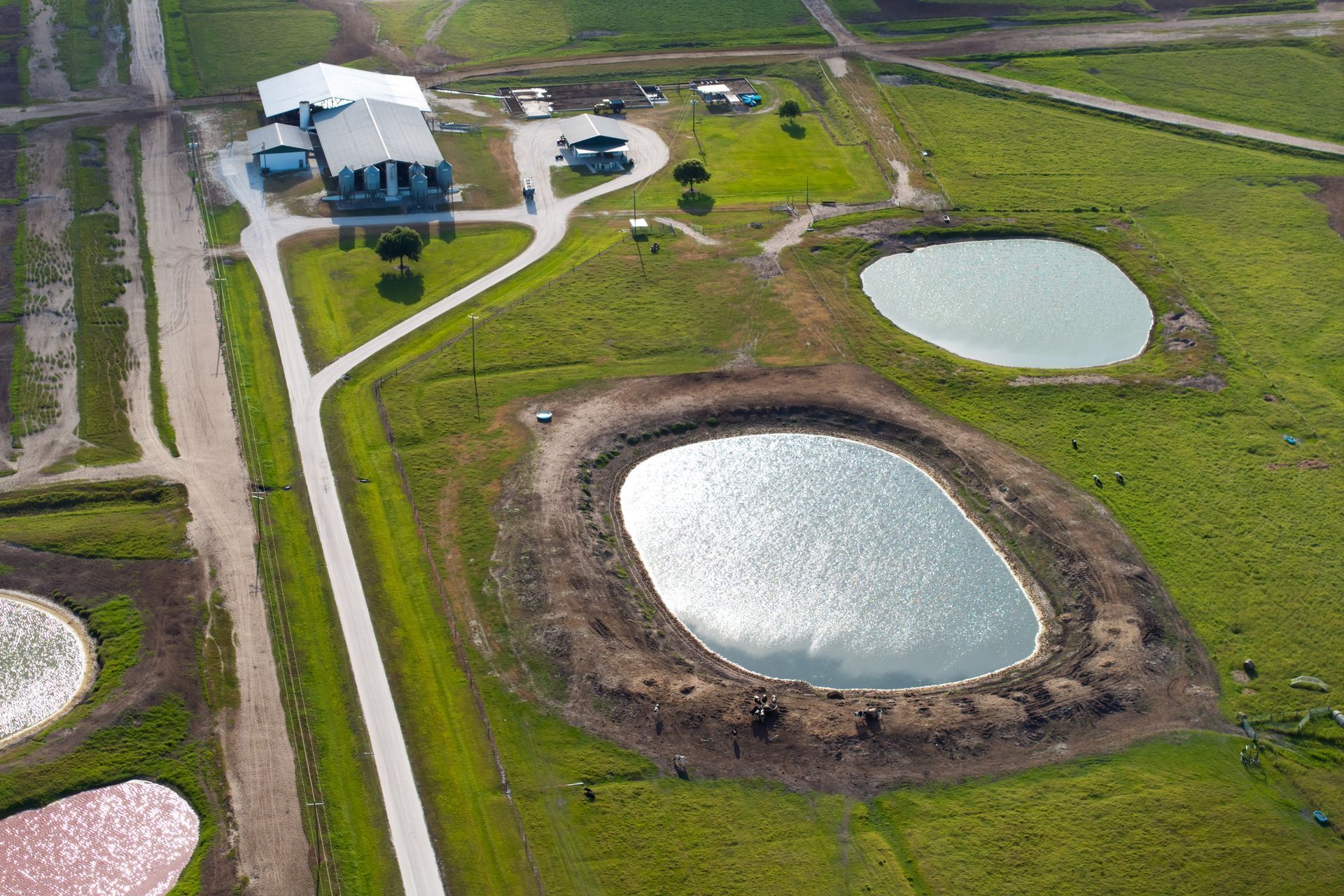
Pond & Lagoon Cleanouts
Dewatering, sludge removal, and polymer solidification. Extends service life with full compliance.
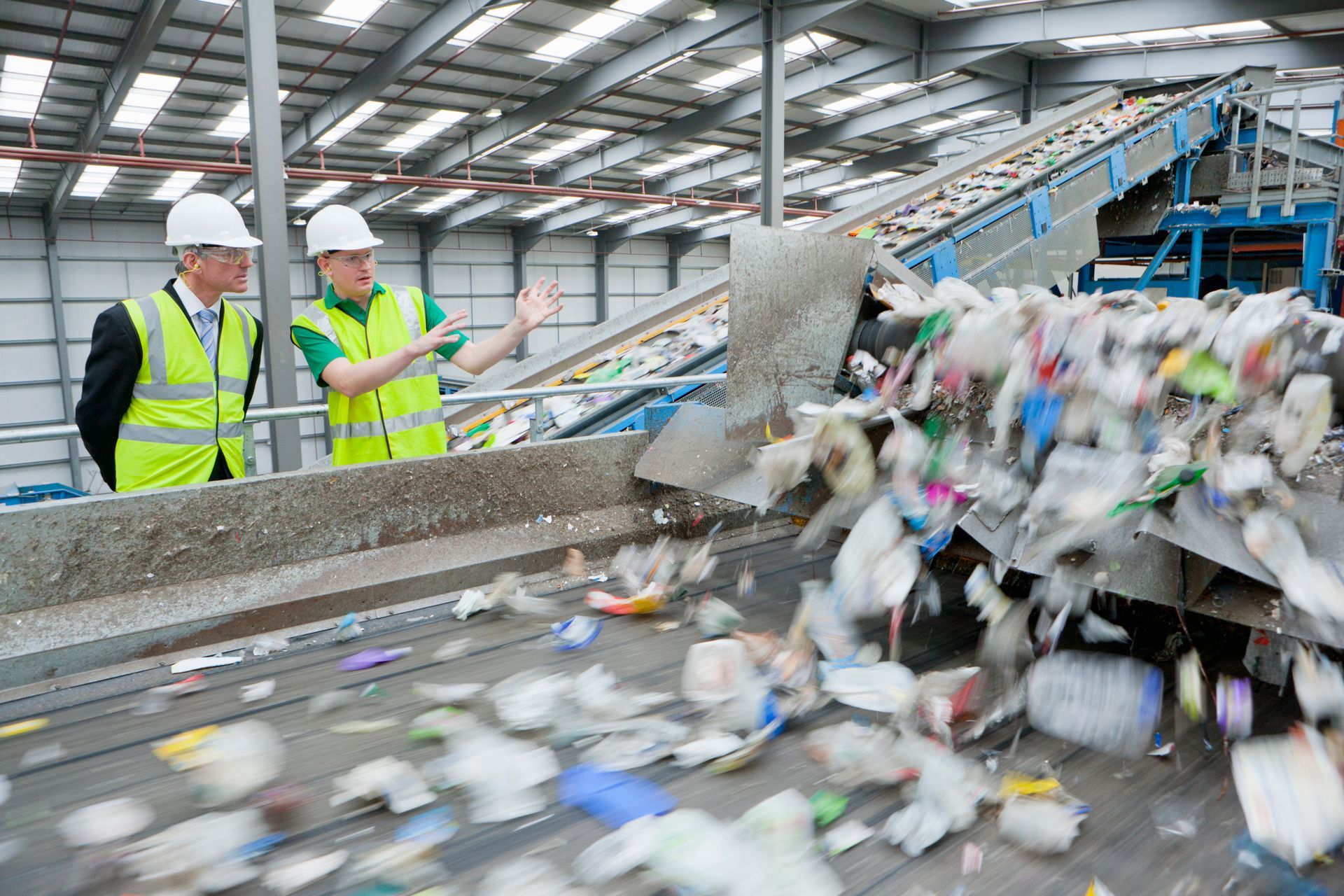
Industrial Recycling
Material recovery for metals, solvents, and oils. Reduce disposal costs and support sustainability.
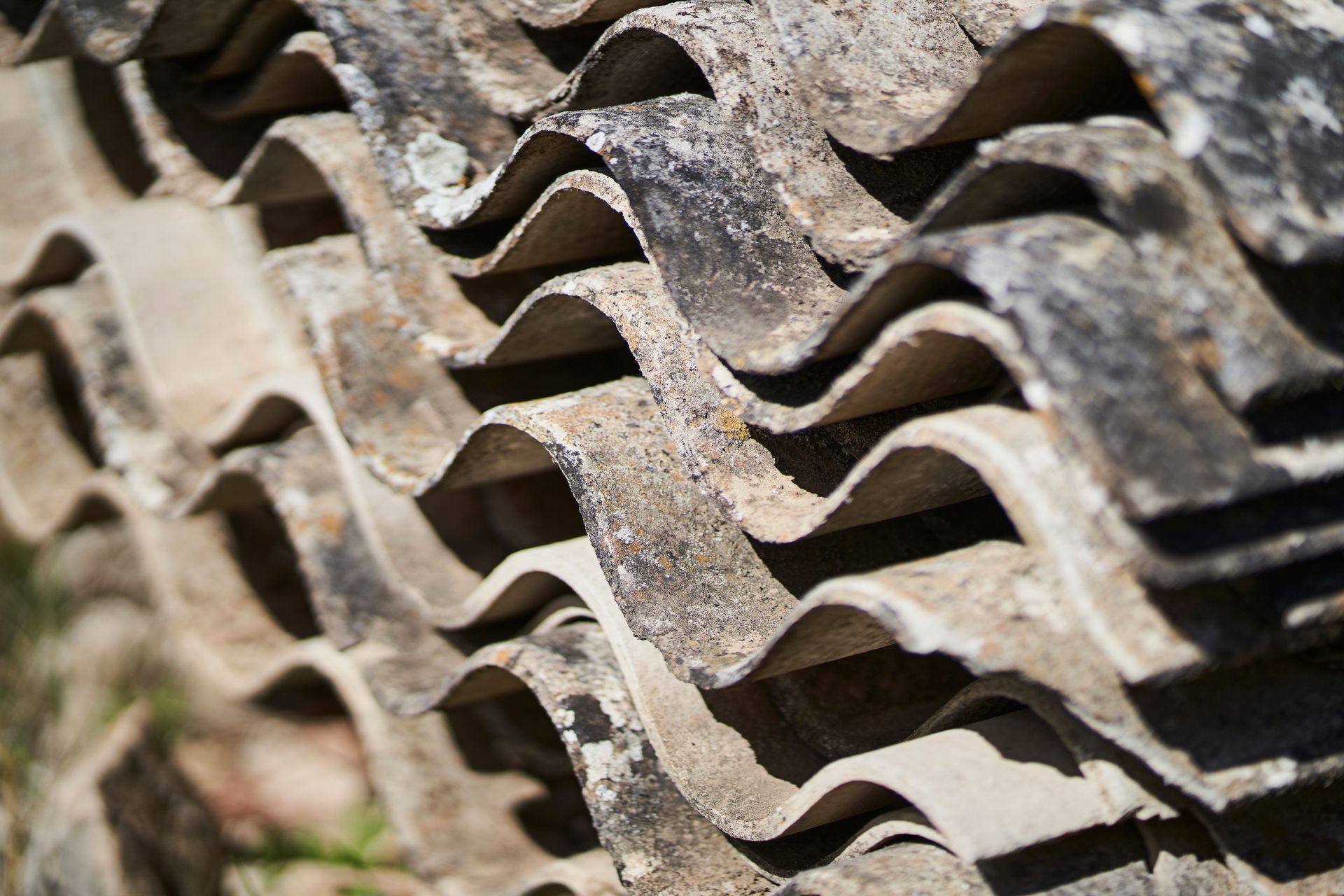
Asbestos Removal Services
Licensed abatement and disposal. EPA-certified crews with documentation and safe transport.
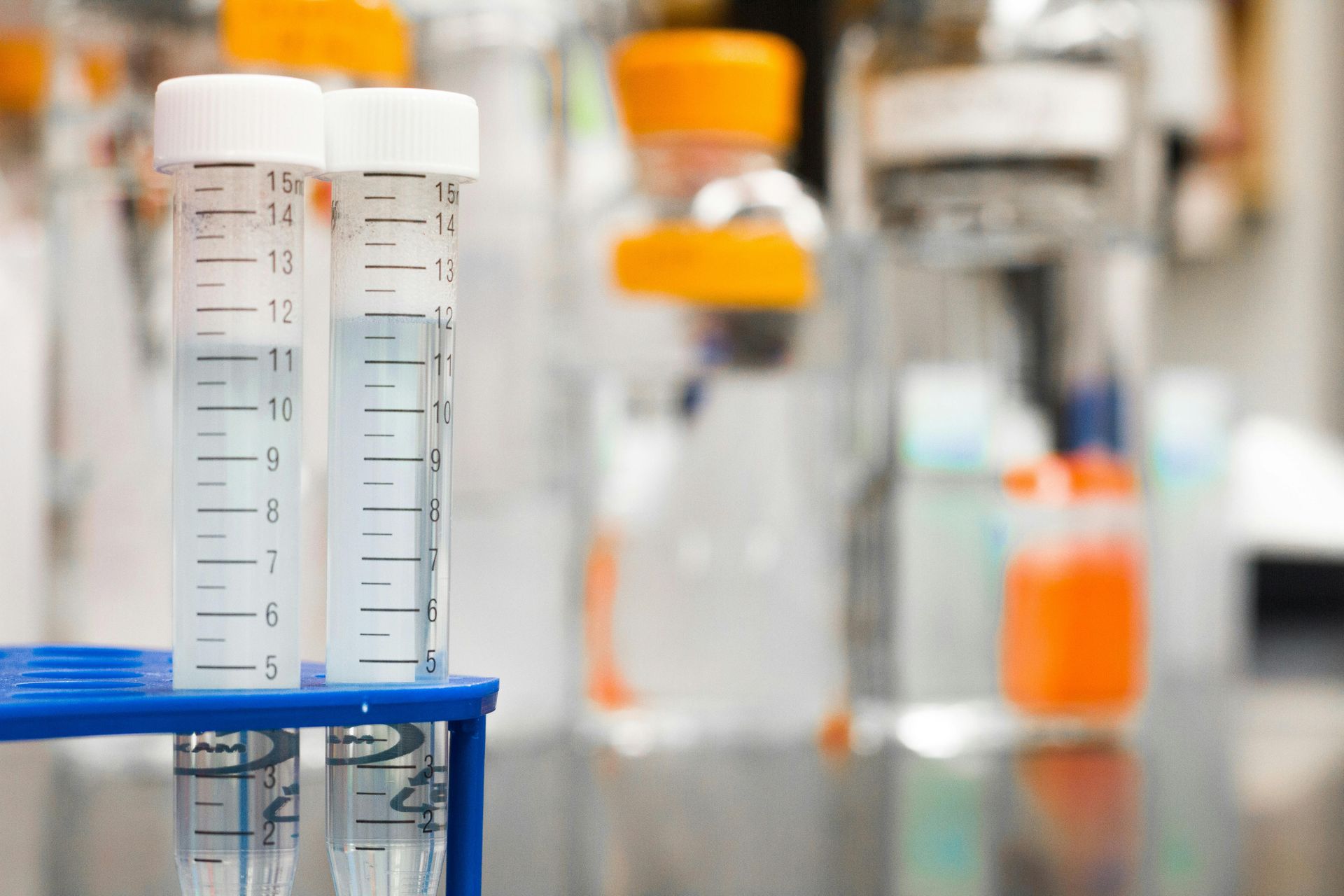
Chemical Lab Packing
On-site identification and DOT-compliant packaging of surplus or unknown chemicals. Full manifesting.
Site Remediation Services
Contaminated soil cleanup and facility closures. Turnkey management from assessment to clearance.
Industrial Tank Cleaning
Confined space cleaning with hydroblasting and vacuum extraction. OSHA-certified crews nationwide.
Industrial Plant Dismantling
Complete facility teardown, including hazmat removal, salvage, and site restoration under one contract.
Abandonment Removal
Cleanup of abandoned industrial properties. Hazardous waste removal and regulatory clearance for reuse.
Specialized Hazmat Services
Specialized handling of PCBs, radioactive materials, and biologicals. DOT-compliant transport and disposal.
Incineration Disposal
High-temperature destruction of organic hazardous waste. Compliant incineration with full documentation.
Hazardous Waste Disposal
RCRA-compliant disposal of all substances, PCBs, and PFAS. Full manifests and Certificates of Disposal.
Non-Hazardous Waste Disposal
Safe disposal of industrial debris, packaging, plastics, and sludge. Recycling options available.
Pond & Lagoon Cleanouts
Dewatering, sludge removal, and polymer solidification. Extends service life with full compliance.
Industrial Recycling
Material recovery for metals, solvents, and oils. Reduce disposal costs and support sustainability.
Asbestos Removal Services
Licensed abatement and disposal. EPA-certified crews with documentation and safe transport.