FREQUENTLY ASKED QUESTION ABOUT
ASBESTOS
Compliance guidance for facility managers, EHS teams, and plant engineers responsible for maintenance, renovation, or demolition at industrial and commercial sites.
WHAT IS ASBESTOS
Asbestos is a regulated mineral fiber historically used for insulation, fireproofing, and durability in industrial and commercial buildings. It’s commonly found in pipe insulation, boilers, floor tiles, roofing, spray-applied fireproofing, gaskets, and older equipment. While most new uses are prohibited, asbestos remains a major compliance concern during maintenance, renovation, and demolition projects.
Common Questions About Asbestos Removal & Treatment
WHY ASBESTOS ABATEMENT MATTERS
For plant managers and EHS coordinators, asbestos matters because disturbing asbestos-containing materials (ACM) can release airborne fibers, trigger OSHA and EPA Clean Air Act requirements, and halt construction or production. Many states enforce notification, work practice, and disposal requirements that are more stringent than federal baselines, and asbestos compliance is routinely reviewed during inspections.
How much does asbestos removal cost?
Asbestos removal costs can range from several thousand dollars for small, localized projects to tens or hundreds of thousands of dollars for large-scale industrial abatement. There is no flat or average price that applies across facilities, because asbestos removal costs depend heavily on material type, quantity, location, and regulatory requirements. An accurate cost can only be determined after an on-site inspection by a qualified professional.
This is why facilities typically engage experienced environmental service providers—such as U.S. Waste Industries—to evaluate asbestos-containing materials, regulatory scope, and site conditions before developing a compliant removal plan and cost estimate.
The most significant factors that influence asbestos removal cost include:
Material Type and Friability
Friable asbestos (such as spray-applied fireproofing and damaged pipe insulation) requires full containment with negative air pressure, aggressive air monitoring, and extensive worker protection—costing significantly more than non-friable materials like intact floor tiles. Highly friable materials that readily release airborne fibers require the most stringent controls and drive higher labor and disposal costs.
Square Footage and Linear Footage
Removal costs are typically calculated by area (square feet for surfaces like ceiling tiles or fireproofing) or length (linear feet for pipe insulation). Large-scale industrial projects involving thousands of square feet of spray-applied fireproofing or extensive piping systems cost substantially more than limited, localized removals.
Accessibility and Location
Hard-to-reach materials increase labor time and equipment needs. Pipe insulation in confined spaces, materials located on elevated structures requiring scaffolding, or asbestos in occupied buildings requiring off-hours work all increase costs. Urban sites with limited staging areas or restricted access further increase logistical complexity and expense.
Containment Requirements
Friable asbestos removal requires full containment using polyethylene barriers, HEPA-filtered negative air machines, decontamination units, and airlocks. Projects requiring multi-floor or building-wide containment cost more than localized single-room enclosures. Continuous operation and monitoring of negative air pressure systems is necessary to prevent fiber migration.
Disposal Fees
Asbestos waste must be transported in leak-tight vehicles and disposed of at state-authorized asbestos landfills with dedicated disposal cells. Disposal fees vary by landfill and waste volume. Transportation distance to the nearest approved asbestos landfill significantly affects total project cost.
Air Clearance Testing
Final air clearance testing is required before reoccupying work areas. Independent laboratories typically perform clearance testing using Phase Contrast Microscopy (PCM) or Transmission Electron Microscopy (TEM). Clearance criteria are commonly set at 0.01 fibers per cubic centimeter, or more stringent levels when required by project specifications or state rules. Multiple containment areas require separate clearance tests, increasing overall cost.
Regulatory Notifications and Permitting
EPA asbestos NESHAP regulations (40 CFR Part 61, Subpart M) require 10 working-day advance notification to state agencies before asbestos removal exceeding 160 square feet, 260 linear feet, or 35 cubic feet of regulated material. Many states require additional permits, contractor licensing, and project approvals. Emergency abatement requiring expedited approvals often incurs additional costs.
Project Timeline
Standard-timeline projects generally cost less than emergency or accelerated schedules. Weekend, overnight, or holiday work increases labor costs. Phased projects coordinated with ongoing operations may cost more than single-mobilization removals.
Additional Cost Factors
Pre-removal asbestos surveys and laboratory testing are required before disturbing suspected materials and add upfront cost. Projects requiring temporary occupant relocation, HVAC isolation, or utility shutdowns increase coordination complexity.
For accurate estimates, facilities should be prepared to provide building age, material type and condition, estimated quantities, access constraints, and whether work must occur in occupied or unoccupied areas.
How Do I Know If My Facility Has Asbestos?
Buildings constructed or renovated before 1980 have the highest likelihood of containing asbestos-containing materials (ACM), and some asbestos products continued to be installed into the 1990s. Visual identification alone is unreliable—laboratory analysis is required to confirm asbestos presence.
Common Asbestos Locations in Industrial Facilities
- Pipe and boiler insulation on steam lines, condensate returns, and heating equipment
- Spray-applied fireproofing on structural steel
- Vinyl asbestos floor tile (9”×9” and 12”×12”) and associated mastics
- Acoustic ceiling tiles and wall panels
- Roofing felts, mastics, and flashing cements
- Gaskets, packing, and high-temperature equipment components
- Transite panels, fire doors, and laboratory hood panels
- Vermiculite insulation (including Zonolite products)
EPA-Accredited Inspection Requirements
Federal asbestos NESHAP rules require a thorough inspection by trained inspectors before renovation or demolition activities that may disturb asbestos. Inspectors collect representative bulk samples, which are analyzed by NVLAP-accredited laboratories using Polarized Light Microscopy (PLM) to confirm asbestos type and percentage.
Inspection reports document ACM locations, quantities, condition, and laboratory results and form the basis for abatement planning and regulatory notifications.
When to Conduct Asbestos Testing
Testing is required before renovation, demolition, or any work that may disturb building materials in older facilities. Facility acquisitions, due diligence reviews, and deteriorating materials also commonly trigger inspections. Routine reassessments help track material condition over time.
If laboratory results confirm asbestos content greater than 1% by weight, materials are regulated as ACM and must be managed in accordance with federal and state requirements.
Can Asbestos Be Removed While the Building Is Occupied?
Asbestos removal in occupied buildings is technically possible but requires extensive controls, regulatory approval, and strict compliance with worker protection and containment standards.
Worker Protection and Exposure Controls
OSHA asbestos exposure limits apply to employees, including abatement workers and any facility personnel whose work may result in exposure. Facilities rely on containment systems, negative air pressure, and area air monitoring to verify that asbestos fibers are not migrating into occupied spaces during abatement.
Containment and Isolation
Occupied removal requires full containment using sealed polyethylene barriers and HEPA-filtered negative air machines to maintain inward airflow. HVAC systems serving work areas must be shut down, sealed, or isolated to prevent fiber distribution. Decontamination units prevent fiber transfer outside containment areas.
Feasibility Considerations
Small-scale removal of non-friable materials in isolated areas may be feasible during occupancy. Large-scale friable asbestos removal, demolition activities, or projects requiring aggressive removal methods typically require evacuation.
Many states restrict or prohibit occupied asbestos removal for certain project types. Regulatory approval and occupant notification are often required.
Can Routine Maintenance Work Disturb Asbestos?
Yes. Routine maintenance and repair activities are among the most common causes of accidental asbestos disturbance in industrial facilities.
Common Maintenance Activities That Disturb Asbestos
- Pipe repairs and valve replacements
- Ceiling tile replacement and HVAC work
- Floor tile and mastic removal
- Roofing repairs and penetrations
- Electrical and mechanical equipment access
- Partial demolition and structural modifications
- Regulatory Thresholds and Notifications
EPA NESHAP notification thresholds apply to the renovation activity, which may include multiple areas or phases of a project. Emergency renovations are exempt from advance notice but still require notification and full compliance with work practice standards.
Worker Protection Requirements
Maintenance activities disturbing asbestos require compliance with OSHA standards, including:
- Designation of a trained Competent Person
- Asbestos awareness training for affected employees
- Exposure assessment and air monitoring
- Respiratory protection and protective clothing
- Wet methods and HEPA-filtered cleanup
- Regulated work areas and warning signage
Small-scale, short-duration exemptions exist for limited non-friable work but have strict limitations and should be evaluated carefully.
What Happens If Asbestos Is Accidentally Disturbed?
Accidental asbestos disturbance requires immediate response to protect workers, contain fibers, and reduce regulatory exposure.
Immediate Actions
- Stop work immediately
- Restrict access to the affected area
- Do not dry sweep, vacuum with non-HEPA equipment, or use compressed air
- Prevent contaminated clothing from leaving the area
Notification and Assessment
Notify EHS and facility management immediately. Assess whether the material was friable, the extent of disturbance, and whether fibers may have migrated into adjacent or occupied spaces.
Professional Response
Licensed asbestos abatement contractors should evaluate the situation, establish containment if needed, and perform cleanup using approved methods. Friable releases typically require immediate containment and negative air pressure.
Air Monitoring and Clearance
Personal and area air monitoring may be required to assess exposure. Final clearance testing must confirm fiber levels meet project criteria before reoccupation.
Documentation and Prevention
Document the incident, cleanup actions, monitoring results, and corrective measures. Post-incident reviews should address training gaps, work authorization procedures, and asbestos management plan updates.
Request Asbestos Abatement Quote
Our EPA-accredited inspectors provide detailed project estimates and can schedule on-site assessments to confirm scope and pricing.
What to include:
Building construction date, material type and location (pipe insulation, fireproofing, floor tiles, roofing), estimated square footage or linear footage, material condition (intact, damaged, friable vs. non-friable), project timeline, and whether the building will be occupied during work.
Photos of suspected materials help our team assess scope and provide detailed estimates.
Additional Frequently Asked Questions
Do I need permits for asbestos removal?
Yes. EPA asbestos NESHAP regulations require 10-working-day advance notification to state environmental agencies before asbestos removal exceeding regulatory thresholds (160 square feet, 260 linear feet, or 35 cubic feet). Many states also require additional permits, contractor licensing verification, and project-specific approvals. Emergency abatement projects are exempt from advance notification but still require notification as soon as possible. We handle all regulatory notifications and permitting coordination as part of our abatement services.
Is encapsulation better than complete removal?
Encapsulation can be a cost-effective option for intact, non-friable asbestos-containing materials that will not be disturbed, but it is a temporary solution that requires ongoing inspection and maintenance. Complete removal is required for friable materials, demolition projects, renovation work that will disturb ACM, or situations where buyers, lenders, or insurers require asbestos removal as a condition of property transfer. Removal permanently eliminates asbestos and avoids future monitoring obligations.
How long does asbestos removal take?
Project duration depends on material type, quantity, and accessibility. Small projects like floor tile removal in single rooms typically take 1-3 days. Large industrial projects with extensive pipe insulation or fireproofing removal can take several weeks. Containment setup, removal work, cleanup, and final air clearance testing all factor into timelines. We provide detailed schedules during project planning.
What happens to asbestos waste after removal?
Removed asbestos is wetted, double-bagged in labeled 6-mil polyethylene bags, transported in leak-tight enclosed vehicles, and disposed of at state-authorized asbestos landfills in accordance with landfill permit and regulatory requirements. Disposal documentation and waste shipment records are provided for compliance and recordkeeping purposes.
What is the difference between friable and non-friable asbestos?
Friable asbestos can be crumbled by hand pressure and easily releases airborne fibers when disturbed. Examples include spray-applied fireproofing, damaged pipe insulation, and deteriorating ceiling tiles. Non-friable asbestos is bound in solid materials like intact floor tiles, roofing shingles, or cement board and doesn't release fibers unless cut, ground, sanded, or demolished. Friable asbestos requires more stringent containment and removal controls.
Can I remove asbestos myself to save costs?
No. Most states require state-licensed asbestos contractors for removal beyond very limited exceptions. DIY asbestos removal creates serious health risks, can result in EPA NESHAP violations with penalties up to $59,973 per day, OSHA citations for inadequate worker protection, and contamination of the building. Only properly trained and state-licensed asbestos professionals have the equipment and regulatory knowledge to perform asbestos removal safely and legally.
Do all buildings built before 1980 contain asbestos?
Not all, but most buildings constructed before 1980 contain asbestos in some form. Asbestos use peaked in the 1950s-1970s and appeared in hundreds of building products. Some asbestos-containing materials were manufactured into the 1990s. Visual identification is unreliable—laboratory testing by EPA-accredited inspectors is the only way to confirm asbestos presence before renovation or demolition work begins.
What are the health risks of asbestos exposure?
Asbestos exposure is linked to serious diseases including mesothelioma, lung cancer, and asbestosis. Mesothelioma is an aggressive cancer with poor long-term survival outcomes, while asbestos-related lung cancer and asbestosis cause irreversible respiratory damage. These diseases often develop 20–50 years after exposure, and there is no safe level of asbestos exposure.
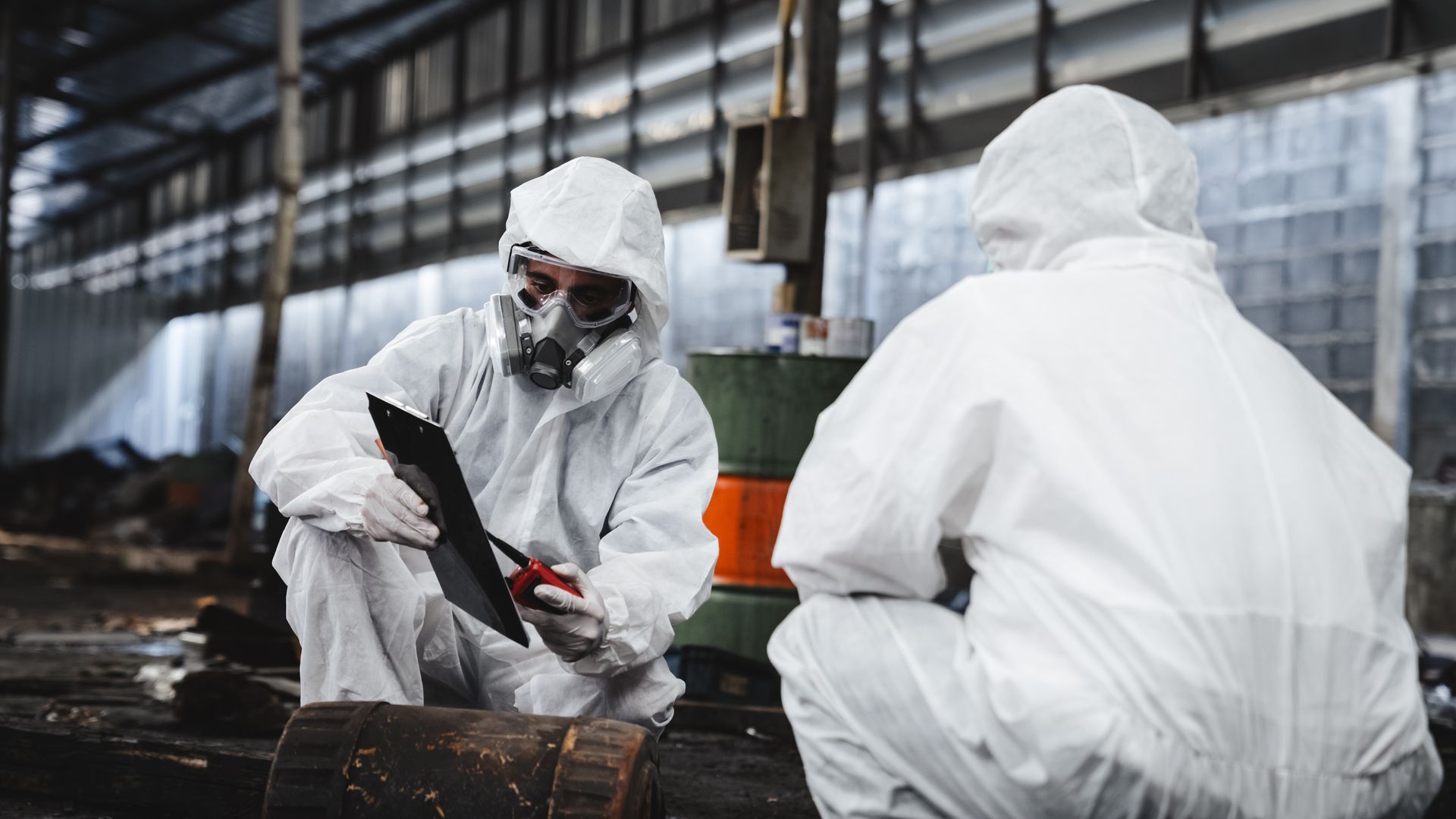
Hazardous Waste Disposal
RCRA-compliant disposal of all substances, PCBs, and PFAS. Full manifests and Certificates of Disposal.
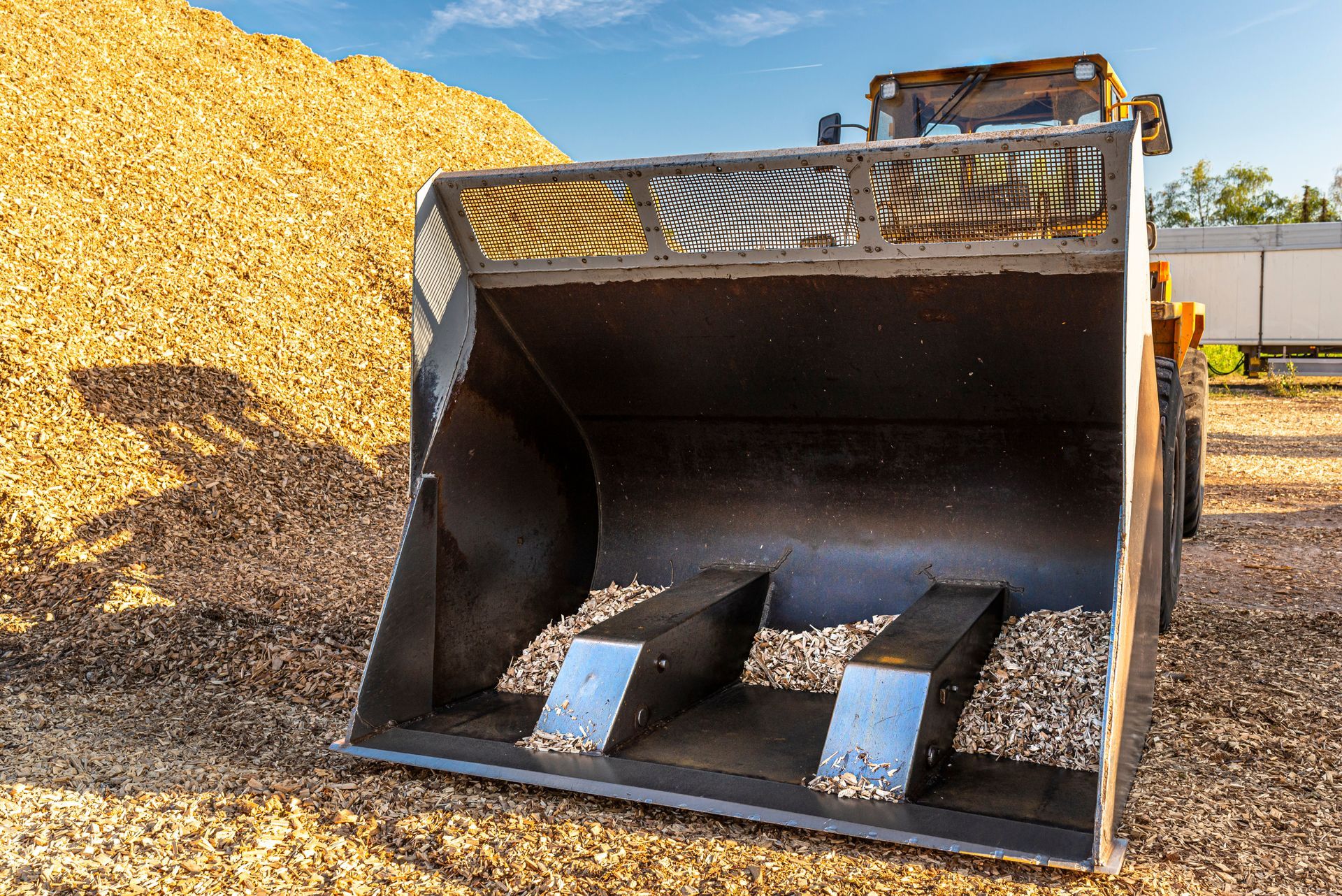
Non-Hazardous Waste Disposal
Safe disposal of industrial debris, packaging, plastics, and sludge. Recycling options available.
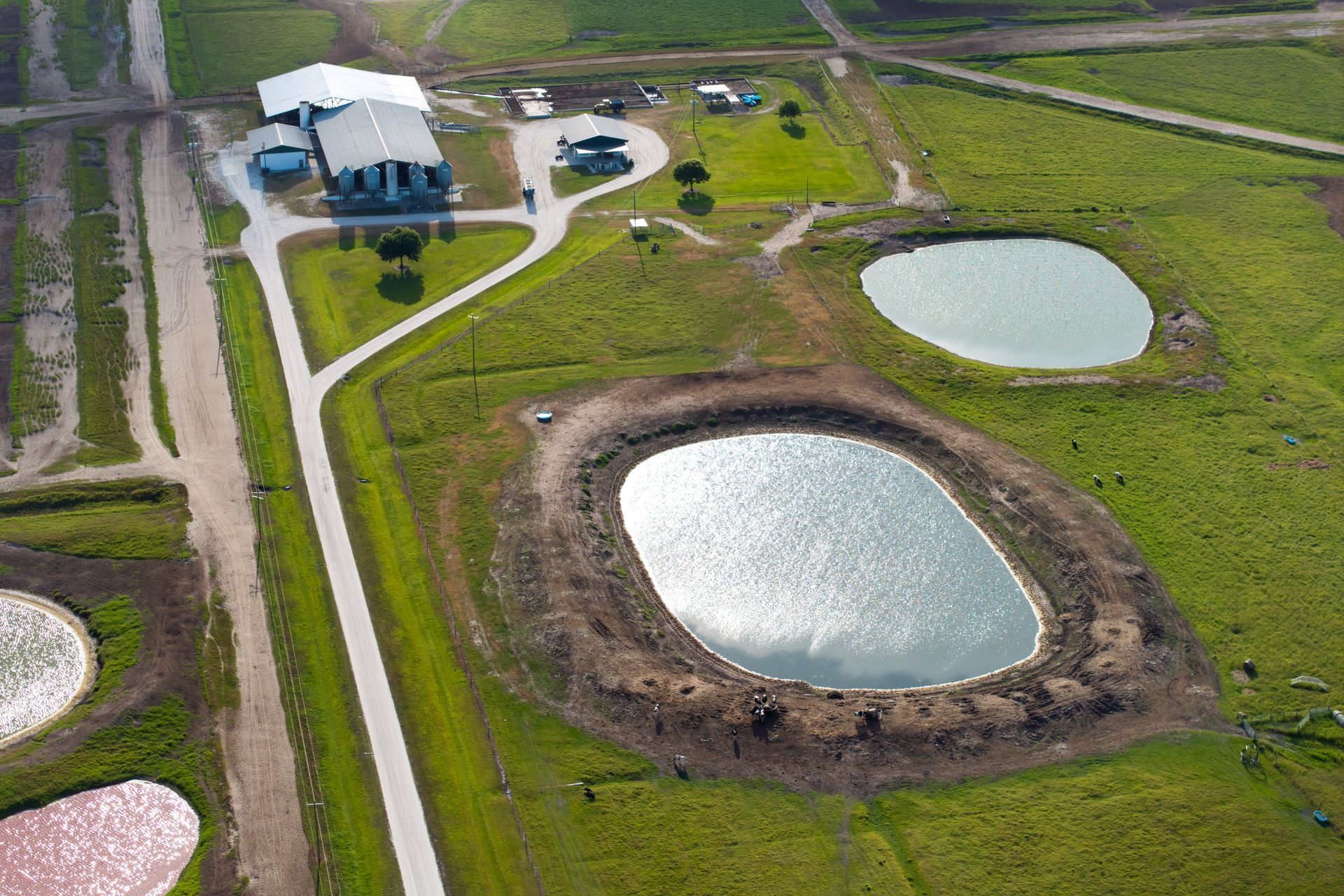
Pond & Lagoon Cleanouts
Dewatering, sludge removal, and polymer solidification. Extends service life with full compliance.
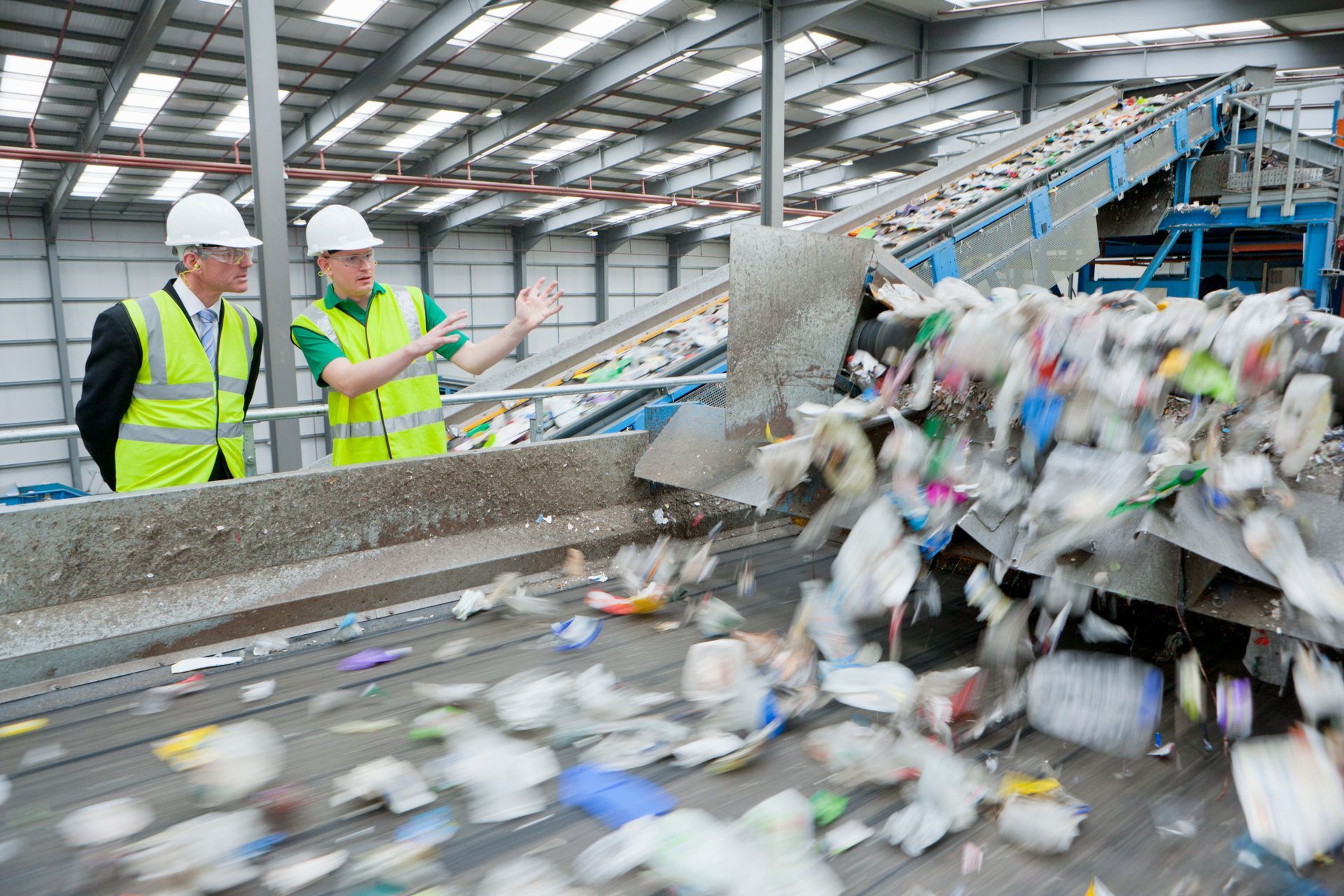
Industrial Recycling
Material recovery for metals, solvents, and oils. Reduce disposal costs and support sustainability.
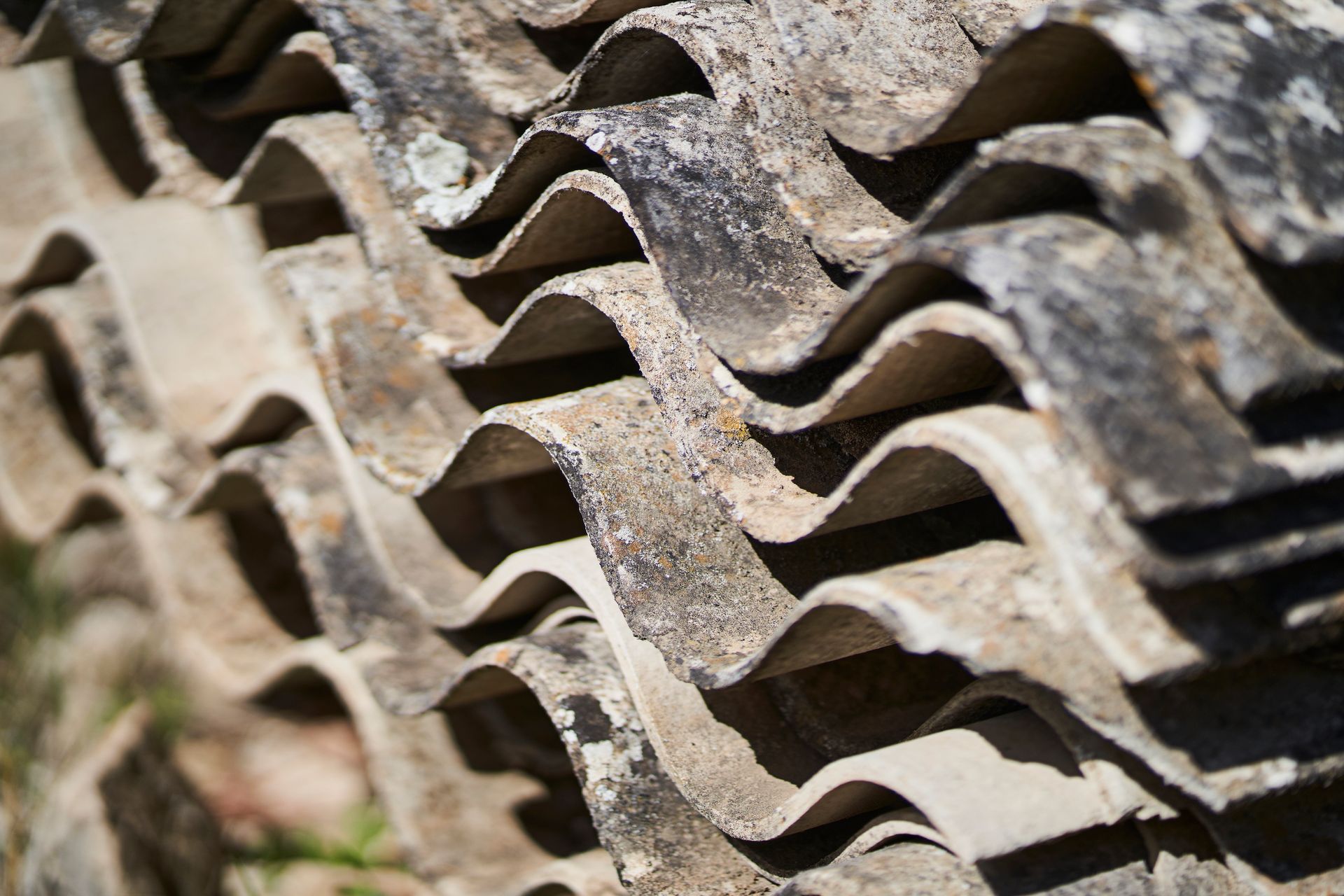
Asbestos Removal Services
Licensed abatement and disposal. EPA-certified crews with documentation and safe transport.
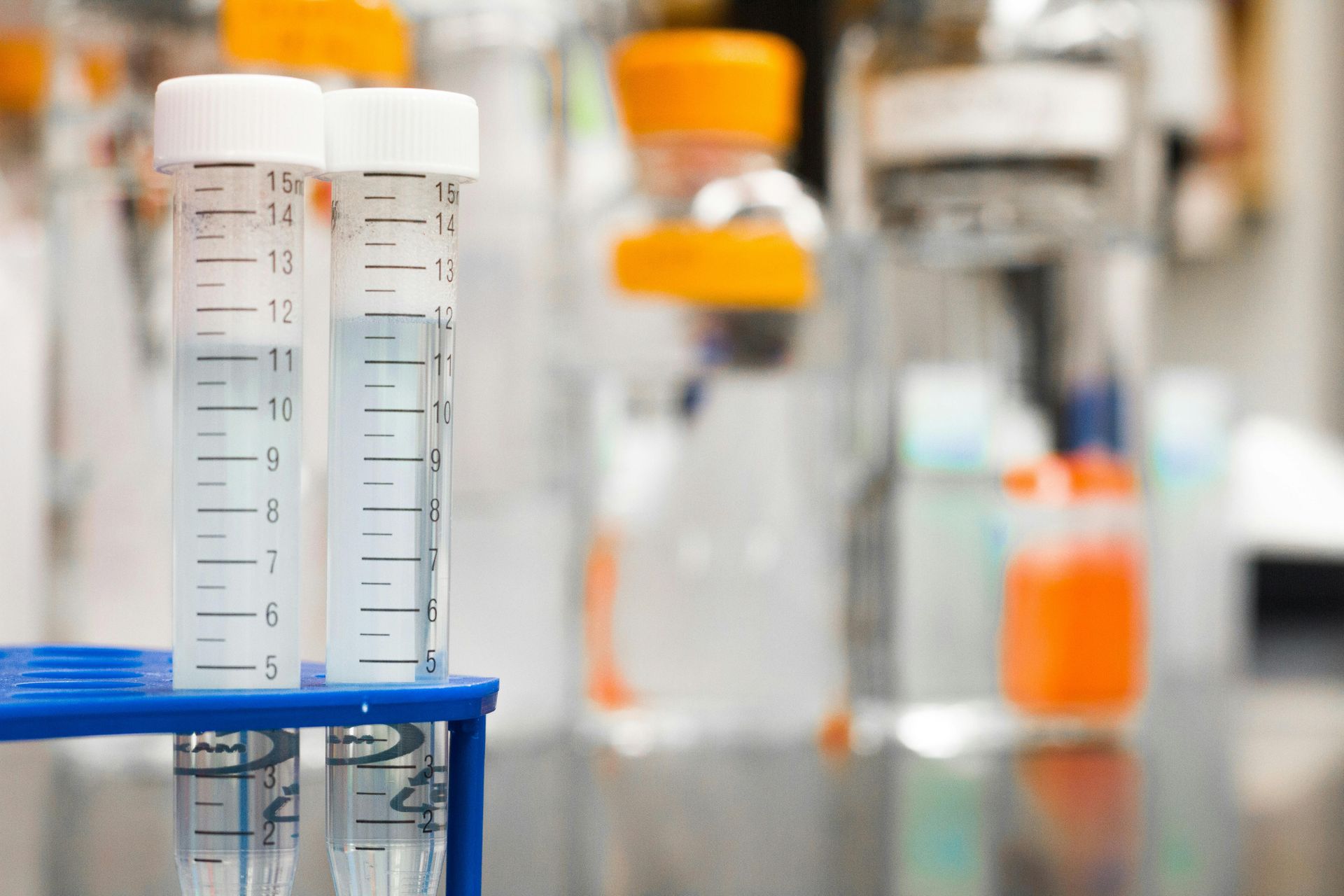
Chemical Lab Packing
On-site identification and DOT-compliant packaging of surplus or unknown chemicals. Full manifesting.
Site Remediation Services
Contaminated soil cleanup and facility closures. Turnkey management from assessment to clearance.
Industrial Tank Cleaning
Confined space cleaning with hydroblasting and vacuum extraction. OSHA-certified crews nationwide.
Industrial Plant Dismantling
Complete facility teardown, including hazmat removal, salvage, and site restoration under one contract.
Abandonment Removal
Cleanup of abandoned industrial properties. Hazardous waste removal and regulatory clearance for reuse.
Specialized Hazmat Services
Specialized handling of PCBs, radioactive materials, and biologicals. DOT-compliant transport and disposal.
Incineration Disposal
High-temperature destruction of organic hazardous waste. Compliant incineration with full documentation.
Hazardous Waste Disposal
RCRA-compliant disposal of all substances, PCBs, and PFAS. Full manifests and Certificates of Disposal.
Non-Hazardous Waste Disposal
Safe disposal of industrial debris, packaging, plastics, and sludge. Recycling options available.
Pond & Lagoon Cleanouts
Dewatering, sludge removal, and polymer solidification. Extends service life with full compliance.
Industrial Recycling
Material recovery for metals, solvents, and oils. Reduce disposal costs and support sustainability.
Asbestos Removal Services
Licensed abatement and disposal. EPA-certified crews with documentation and safe transport.